Actual Drinkable Water Systems for Newport Beach Homes
October 22, 2026 · 16 min read
A filter change isn’t just a calendar task. A reverse osmosis system in Newport Beach can reduce dissolved salts and selected contaminants at a drinking-water tap, and reverse osmosis systems have salt rejection rates greater than 99%. The right filter and membrane replacement interval depends on the system’s components, water use, and incoming water.
That distinction matters whether you live on Balboa Island, in Corona del Mar, or in Newport Coast. You want drinking water that tastes cleaner, but you also need to understand what the system changes, what it does not, and when maintenance is due.
This guide explains what reverse osmosis can reduce, how to plan for filter and membrane replacement, and why point-of-use filtration serves a different purpose from whole-house treatment. It also covers practical kitchen-system choices to help you decide what suits your home and water use.
Key Takeaways
- Learn which types of dissolved substances reverse osmosis can reduce and why the results depend on the system and its maintenance.
- Use the system’s recommended maintenance schedule and water-use conditions to plan filter and membrane changes.
- Decide whether you need filtered drinking water at one kitchen tap or treatment throughout the home.
- Understand how a storage tank and dedicated faucet make reverse osmosis water available at the sink.
- Explore how the Under-Counter Water Revival System may fit a home focused on drinking-water filtration.
Contaminants the system reduces or removes
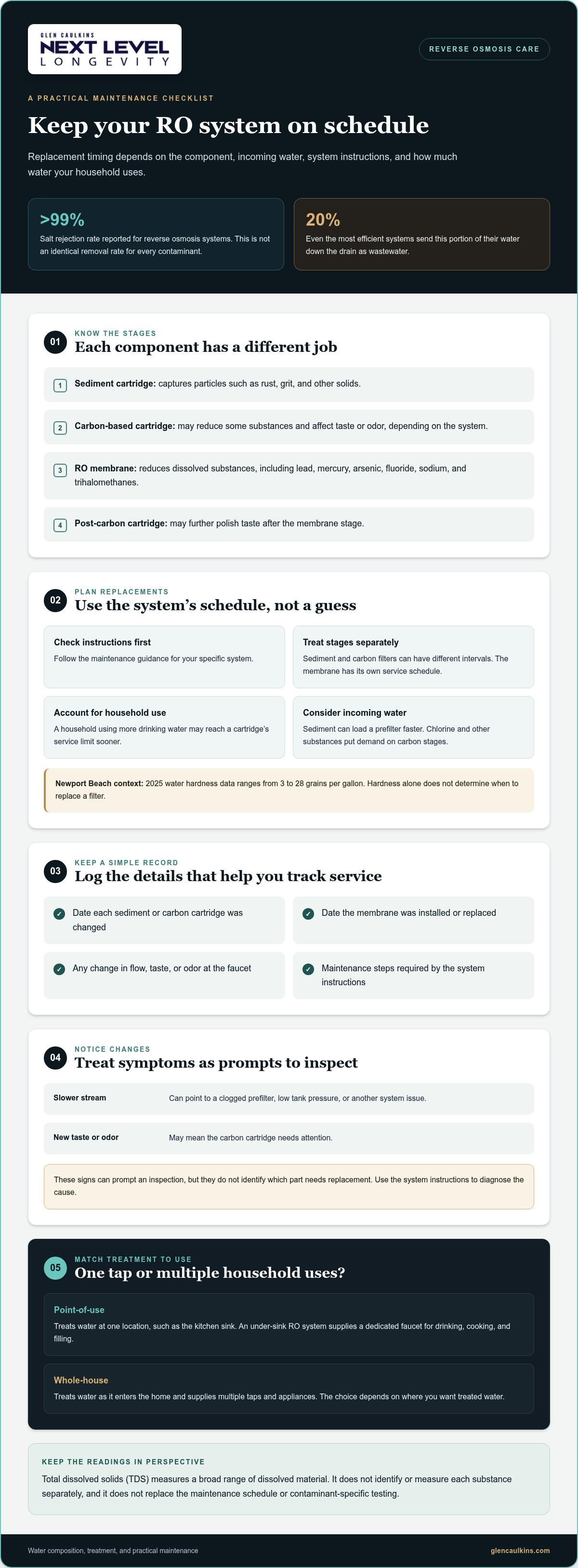
Reverse osmosis separates water from many dissolved substances through a semipermeable membrane. The membrane allows water to pass while rejecting a portion of dissolved material. Reverse osmosis systems have salt rejection rates greater than 99%, though that figure describes salt rejection, not identical removal of every contaminant. Performance depends on the system design, membrane condition, and water entering the unit.
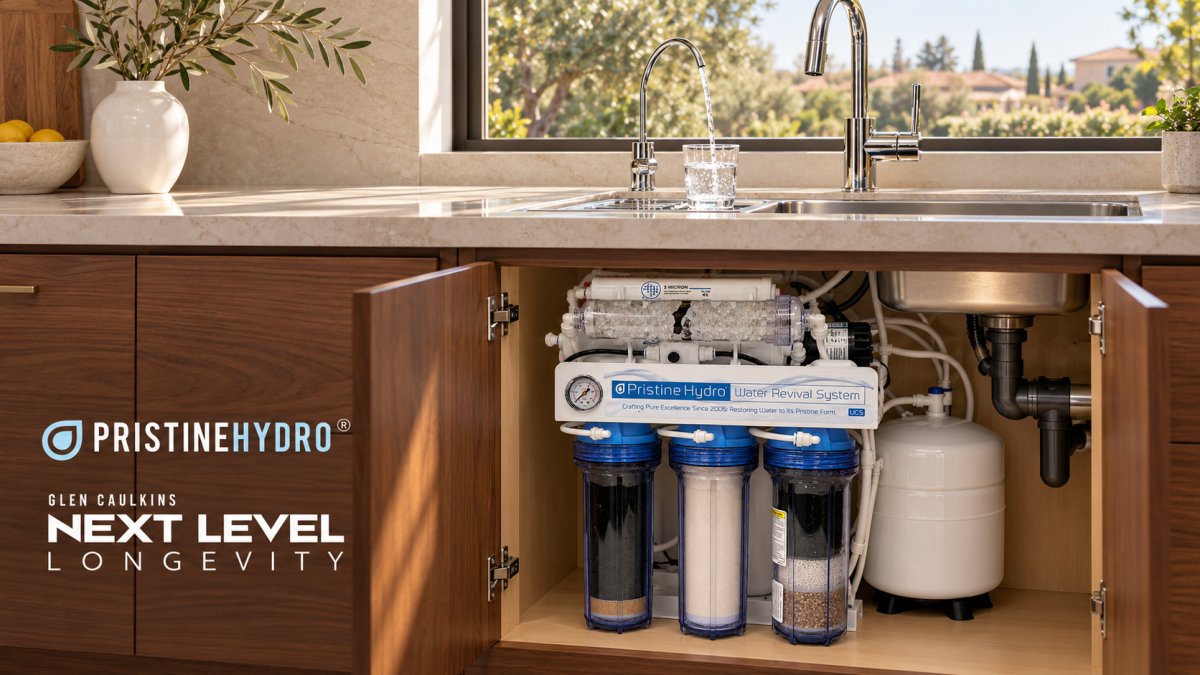
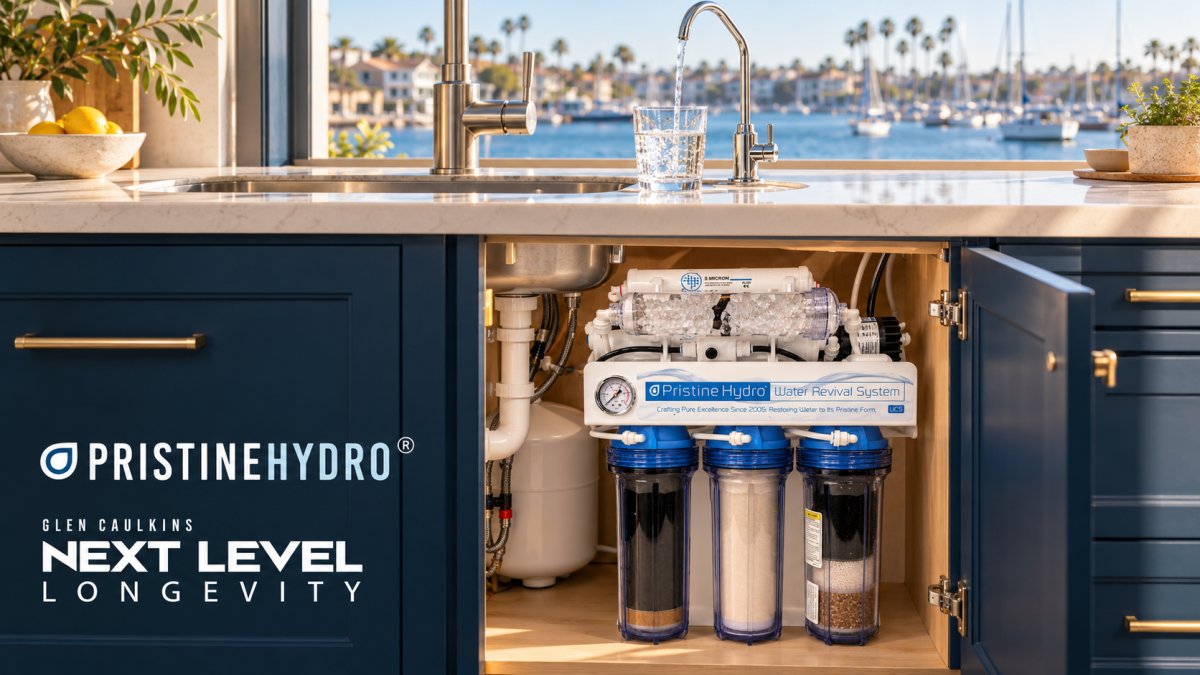
In a typical multi-stage design, the first cartridges protect and prepare the membrane. A sediment cartridge captures particles such as rust, grit, and other solids. A carbon-based cartridge may reduce some substances and affect taste or odor, depending on the system. The membrane then reduces dissolved substances, including lead, mercury, arsenic, fluoride, sodium, and trihalomethanes. A post-carbon cartridge may further polish the taste after the membrane stage.
Each stage has a different job. Cloudiness may point to particles, while chlorine taste calls for a different treatment target. You cannot assess dissolved substances such as sodium by taste alone. Compare the system’s specific performance claims with the contaminants you want to reduce. A general label such as “purifies water” does not tell you which substances the system addresses or under what conditions.
How do reverse osmosis systems compare with water softeners and carbon filters? A softener primarily addresses hardness minerals, while carbon filtration targets substances such as chlorine, tastes, and odors. Reverse osmosis can also reduce many dissolved substances. These methods serve different purposes and are not interchangeable.
Newport Beach water varies in hardness. The 2025 data range is 3 to 28 grains per gallon. City of Newport Beach Utilities publishes an annual water quality report covering its service areas. That report helps readers understand the municipal supply, while a household’s treatment choice depends on its specific concern. Hardness alone does not identify every substance a drinking-water filter may reduce.
What permits or plumbing requirements apply to reverse osmosis installation in Newport Beach? An under-sink installation needs connections for incoming water and a drain, and usually a dedicated faucet. Permit requirements depend on the scope of work and applicable local rules, so do not assume every installation follows the same process.
How much does a reverse osmosis system cost in Newport Beach, including installation? The installed cost depends on the system configuration, plumbing access, and any drain or faucet work. Request a quote for pricing.
Filter and membrane replacement intervals
Replacement timing depends on the cartridge type, system instructions, water conditions, and household use. Sediment and carbon filters do different jobs, so they may have different replacement intervals. The membrane has its own service schedule. Follow the guidance for your specific system instead of applying one generic schedule to every under-sink unit.
Start with the manufacturer’s maintenance instructions. Record filter changes and the membrane’s service date in a simple log. This helps you distinguish scheduled replacement from a sudden change in water flow or taste. A household that uses more drinking water may reach a cartridge’s service limit sooner because the filters process more water.
Watch for changes at the dedicated faucet. A slower stream can point to a clogged prefilter, low tank pressure, or another system issue. A new taste or odor may mean the carbon cartridge needs attention. These signs can prompt an inspection, but they do not identify which part needs replacement. Follow the system instructions to diagnose the cause.
Incoming water conditions matter, too. Sediment can load a prefilter faster. Chlorine and other substances put demand on carbon stages, while dissolved material reaches the membrane. Water hardness varies in Newport Beach, but hardness alone does not determine when to replace a filter. Follow the system’s specific guidance, and do not extend a cartridge’s service life just because the water looks clear.
A useful maintenance record includes these details:
- The date each sediment or carbon cartridge was changed.
- The date the membrane was installed or replaced.
- Any change in flow, taste, or odor noticed at the faucet.
- Any maintenance steps required by the system instructions.
How much water does a reverse osmosis system waste, and what maintenance or risks should homeowners consider? Even the most efficient reverse osmosis systems send 20% of their water down the drain as wastewater. Timely filter changes and following the system’s maintenance instructions help keep its stages working as intended.
Do not treat a total dissolved solids reading as a complete contaminant test. It measures a broad range of dissolved material, not the identity or amount of each substance. A reading can help track a system over time, but it does not replace the maintenance schedule or contaminant-specific testing.
Glen B. Caulkins writes about how water composition and treatment shape finished drinking water. Readers interested in the wider subject can explore his work on water chemistry alongside practical maintenance guidance.
Point-of-use versus whole-house filtration
A point-of-use system treats water at one location, such as the kitchen sink. A whole-house system treats water as it enters the home, supplying multiple taps and appliances. The choice depends on where you want treated water: for drinking and cooking, or for broader household uses such as bathing and laundry.
For treated drinking water at the kitchen sink, a dedicated reverse osmosis system is a focused option. It connects to the cold-water line under the sink and supplies a separate faucet. Treatment is concentrated at the tap used for drinking, cooking, and filling a kettle, rather than extending to uses that may not need the same level of filtration.
Whole-house filtration serves a different purpose. It can address a concern that applies across the home, rather than at one drinking-water tap. For example, a household may want to treat water used for showers and laundry as well as water from kitchen and bathroom faucets. The right method depends on the concern and incoming water. Whole-house filtration does not automatically mean reverse osmosis at every tap.
What are the best under-sink and whole-house reverse osmosis systems for Newport Beach homes? For drinking water at the kitchen sink, choose an under-sink system designed for point-of-use treatment, with clear performance information and a maintenance plan. A whole-house system should match the household-wide treatment goal and the home’s plumbing needs. These are different applications, so one setup is not automatically right for both.
Before choosing, map where treated water matters. A simple household checklist can make the distinction clear:
- Kitchen drinking and cooking: Consider point-of-use filtration at the kitchen sink.
- Several taps: Identify whether the concern applies throughout the home or only to drinking water.
- Showers and appliances: Define which uses need treatment before selecting a whole-house approach.
- Maintenance: Consider access to filters and the steps required to keep each system operating.
Newport Beach homes vary in layout, plumbing access, and water use. A compact under-sink unit may suit a kitchen with cabinet space and an accessible cold-water connection. A whole-house installation treats the incoming supply, so it calls for a broader view of the home’s plumbing and treatment goals. That wider reach matters only if those household uses are part of your objective.
Match filtration to its point of use. If drinking water is the priority, start at the kitchen tap. If you want to treat water for multiple household uses, define those uses first, then compare treatment methods against that broader need.
Storage tanks and dedicated faucets
Reverse osmosis filtration works gradually, so a storage tank holds treated water between uses. Without storage, the membrane would need to produce water as someone fills a glass or cooking pot. The tank separates the slower production process from the quicker moment of use. A dedicated faucet provides a clear point for drawing treated water in the kitchen.
Tank capacity affects how much water is ready at once. Each complete undercounter or remote system includes a 3-gallon tank. That figure describes the tank’s stated capacity, not necessarily the volume available to pour at any moment. Water pressure and the tank’s operating condition affect delivery. Consider how the household uses drinking water, such as filling a kettle or several bottles in succession.
A dedicated faucet keeps treated water separate from the kitchen’s regular tap water. It makes the source clear when you fill a glass, saucepan, or coffee maker. A designer lead-free chrome faucet is optional with each complete undercounter or remote system. The basic arrangement is simple: one faucet supplies regular tap water, while the dedicated faucet draws from the RO storage tank.
Before choosing a tank and faucet arrangement, consider the space under the sink and your intended routine. These steps help clarify the fit:
- Check cabinet space: Leave room for the tank and filter components beneath the kitchen sink.
- Consider daily use: Note whether the household fills one glass at a time or several containers together.
- Plan faucet placement: Decide where a dedicated faucet can sit beside the existing kitchen faucet.
- Review the setup: Account for the cold-water connection, drain connection, and tank location.
A tank also affects how you use the system. After several glasses draw down the stored supply, the system needs time to replenish it. This matters during meal preparation, when you may use the kitchen faucet repeatedly. A reserve tank makes treated water available without waiting for the membrane to produce each glass on demand.
For Newport Beach kitchens, the practical choice depends on cabinet layout, faucet placement, and how much drinking water your household uses at once. A dedicated faucet provides a separate drinking-water outlet, and the tank keeps a reserve for that outlet. Together, they support everyday routines, from filling a glass to preparing food.
Which Newport Beach water treatment companies install reverse osmosis systems?
Glen B. Caulkins offers the Under-Counter Water Revival System for homes focused on kitchen drinking water. Choosing the system is a product decision; plumbing work is a separate part of the project. Define the installation scope for your home before treating a product choice as a complete installation plan.
For a Newport Beach kitchen, start by documenting the intended location and existing setup. Note the sink-cabinet layout, available space, faucet arrangement, and nearby water and drain connections. A photo of the cabinet can help describe the site accurately. These details clarify the plumbing work without assuming every kitchen has the same configuration.
When planning, distinguish a point-of-use project from treatment at the home’s incoming water line. The first focuses on the kitchen’s drinking-water setup; the second affects a wider section of the plumbing. That difference changes the work involved, so describe the intended coverage clearly when defining the installation scope.
Use a written project description to keep equipment and plumbing details distinct. Identify the system model, where it will sit, which faucet it will serve, and what connection work is expected. If you change the plan from kitchen-only treatment to broader household use, revise the scope rather than assuming the original setup covers it.
Before settling on an installation plan, organize these project details:
- System location: Specify the kitchen sink or the home’s incoming supply area.
- Existing layout: Describe cabinet access, faucet placement, and visible plumbing connections.
- Intended use: State whether the goal is drinking water at the kitchen or treatment across household uses.
- Work boundaries: Separate the water-treatment equipment from the plumbing tasks required to connect it.
Newport Beach homes differ in kitchen design and plumbing access. A clear scope makes those differences visible before work begins. It also prevents a product description from being mistaken for a promise about installation, plumbing changes, or whole-house treatment.
For homeowners comparing options, the distinction is straightforward: Glen B. Caulkins offers an under-counter system, and plumbing installation is a separate part of the project. Match the equipment to your drinking-water needs, then define the plumbing work for your home. This keeps the decision grounded in what the system does and what installation requires.
Glen B. Caulkins: Under-Counter Water Revival System
Glen B. Caulkins’s Under-Counter Water Revival System is designed for households focused on drinking water at the kitchen sink. His work also explores water chemistry, filtration, and finished drinking water. Glen has a commercial interest in PristineHydro water-treatment products, including this system, so readers can consider that perspective alongside the disclosure.
For a different setting, the Travel-Portable Water Revival System offers a portable option. Both systems reflect Glen’s interest in how water treatment shapes everyday water use, while serving distinct needs.
Explore Glen’s research and writing on water by starting with the questions that matter to your household and considering which treatment setup fits your routine.
Choose a water plan that fits your home
Turn a general interest in filtration into a clear household goal. Decide where treated water matters most, then consider how that choice fits your kitchen, travel needs, or shower routine. This keeps the decision practical and connected to how you use water each day.
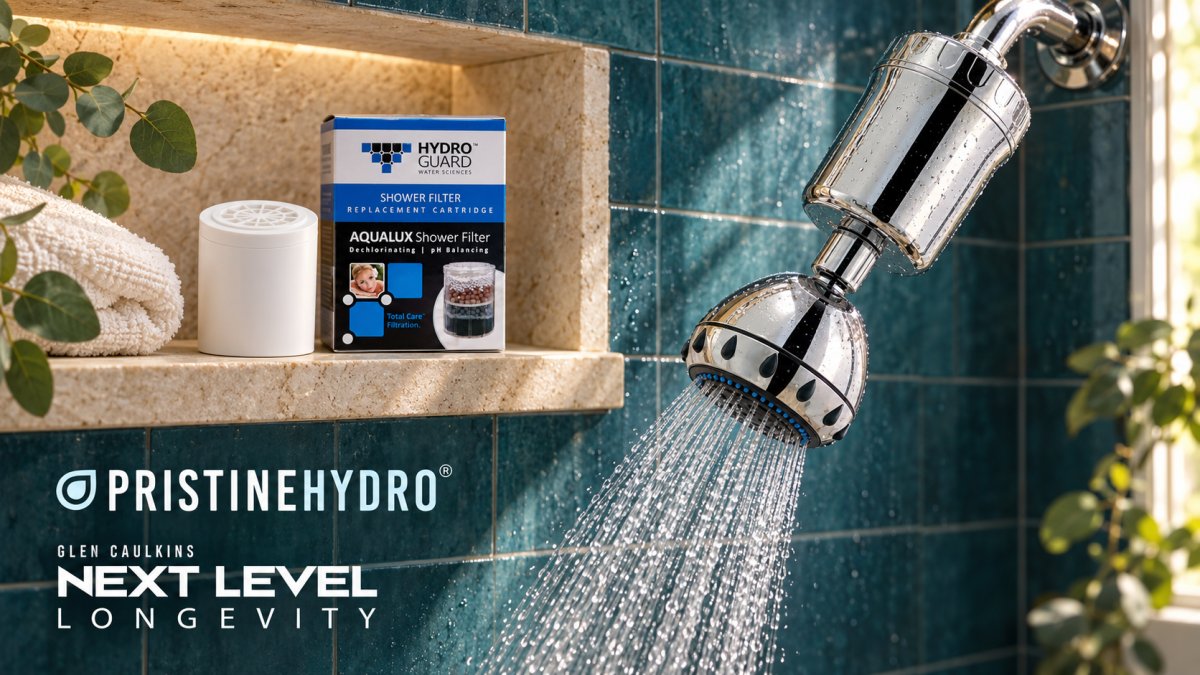
For a reverse osmosis system in Newport Beach, the Under-Counter Water Revival System is designed for drinking water at the kitchen sink. The Travel-Portable Water Revival System serves a different setting. For shower filtration, Glen B. Caulkins also offers the Aqualux filter with head. Each option serves a distinct use, so start with the water source and location you want to treat.
Glen’s interest in water extends beyond equipment to the chemistry and composition of finished drinking water. If you want to consider your needs alongside that wider perspective, contact Glen B. Caulkins to discuss your water. A thoughtful next step can start with one simple question: where would a change in your water routine matter most?
Frequently Asked Questions
Do you serve neighborhoods like Balboa Island, Corona del Mar, Newport Coast in Newport Beach?
Newport Beach is one of the cities in Glen B. Caulkins’s local focus. That city-level scope does not separately establish neighborhood-specific coverage for Balboa Island, Corona del Mar, or Newport Coast. For a home in one of these neighborhoods, separate the product question from installation needs: choosing a drinking-water system is a product decision, while plumbing work is a separate matter.
What contaminants would an RO system address in Newport Beach?
An RO system is relevant when water-quality information identifies a substance addressed by the system’s performance documentation. Find the specific substance in the report, then compare it with the system’s performance data and stated conditions. Do not assume that “dissolved contaminants” means every substance. Kettle scale, for example, indicates mineral deposits, but does not identify a particular contaminant or establish system performance.
What is Reverse Osmosis?
Reverse osmosis is a pressure-driven separation process. Pressure moves water across a membrane, against the direction of natural osmosis. The process separates water into treated and reject streams, and dissolved substances do not all behave identically. For a household, the term describes a treatment method, not a specific product’s performance or whether installation serves one tap or the entire plumbing system.
What reverse osmosis systems are available in Newport Beach, CA?
The Water Revival System range includes Under-Counter and Travel-Portable models for different settings: one is intended for a fixed home setup, while the other is portable. Neither is a whole-house model. Choose according to where you want treated drinking water, and consider installation work separately from system selection.
What is the water quality and hardness in Newport Beach, and is reverse osmosis recommended?
Hardness alone is not enough to determine whether reverse osmosis suits a home. First identify the goal: reducing a named dissolved substance, changing taste, and addressing mineral scale are different objectives. A municipal report describes the water supply, while household plumbing can affect water at the tap. Match the treatment to the concern rather than treating a citywide characteristic as a universal recommendation.
Does Newport Beach tap water contain contaminants that reverse osmosis can reduce?
Water-quality information can show which substances were measured in the municipal supply and their reported results. Read each entry individually rather than assuming the same conditions at every tap. A household question may call for information about a specific location or plumbing fixture. Compare that concern with the system’s performance documentation, and avoid using appearance or taste alone to identify a substance.
How often should reverse osmosis filters and membranes be replaced, and what do replacements cost locally?
Replacement timing and cost depend on the system model, the specific filter or membrane, household use, and incoming water conditions. Use the model name to identify compatible replacement parts, then follow the system’s maintenance guidance. A replacement kit for one unit may not fit another. For local budgeting, compare the required components instead of assuming every RO system uses the same parts or schedule.
What permits or plumbing requirements apply to reverse osmosis installation in Newport Beach?
An under-sink installation needs connections for incoming water and a drain, and usually a dedicated faucet. Permit requirements depend on the scope of work and applicable local rules.
Frequently Asked Questions
Do you serve neighborhoods like Balboa Island, Corona del Mar, Newport Coast in Newport Beach?
What contaminants would an RO system address in Newport Beach?
What is Reverse Osmosis?
What reverse osmosis systems are available in Newport Beach, CA?
What is the water quality and hardness in Newport Beach, and is reverse osmosis recommended?
Does Newport Beach tap water contain contaminants that reverse osmosis can reduce?
How often should reverse osmosis filters and membranes be replaced, and what do replacements cost locally?
What permits or plumbing requirements apply to reverse osmosis installation in Newport Beach?
More articles