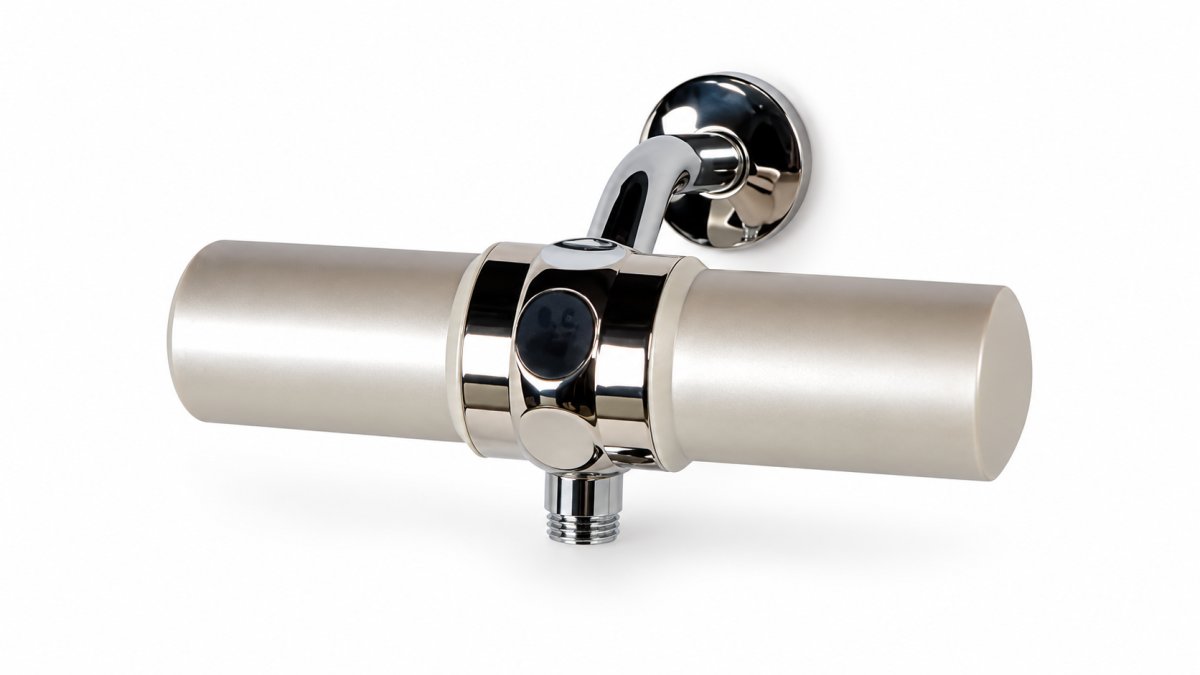
Shower Filter Head Costs and Replacement Options
October 21, 2026 · 16 min read
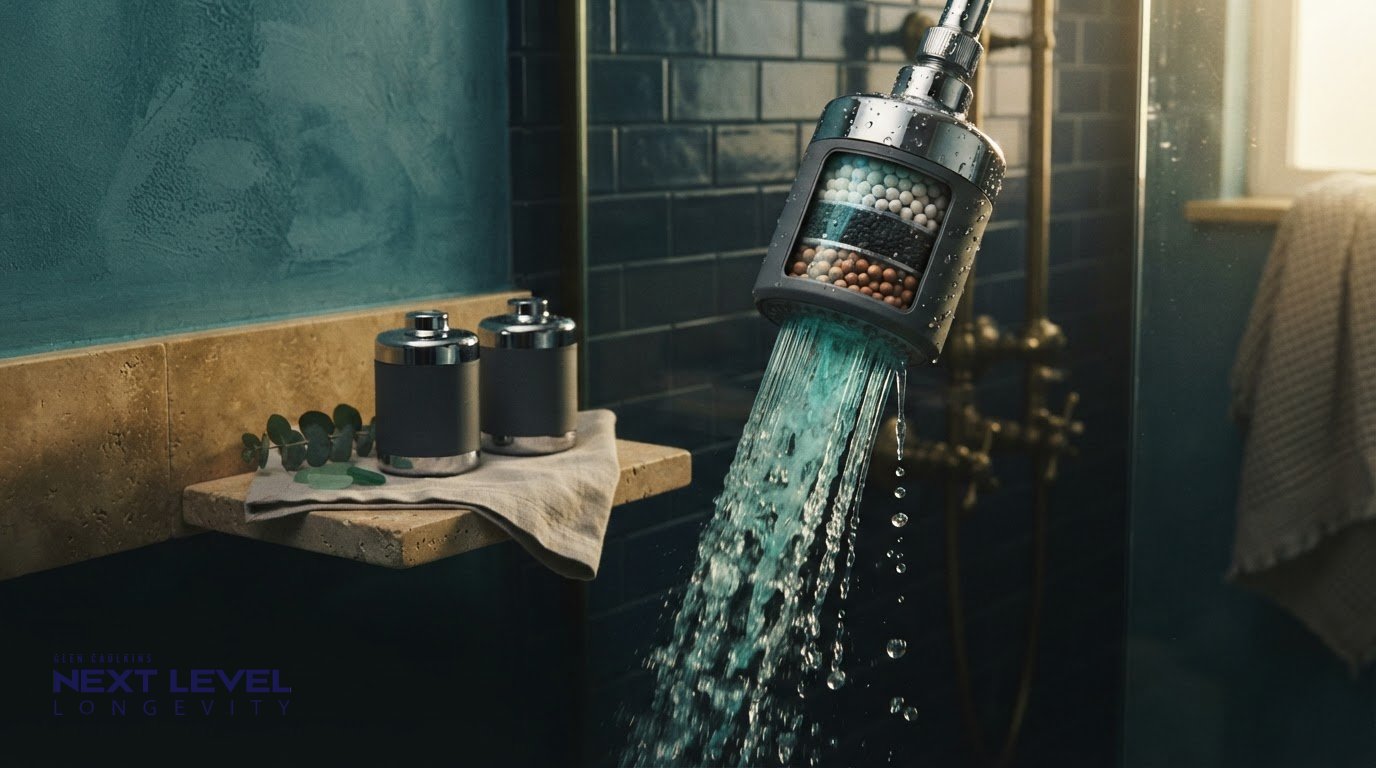
A shower filter head can reduce certain substances only if its filter media is designed for them; the head itself does not show what the filter removes. To compare costs, look beyond the initial purchase: capacity, replacement options, and effects on flow and pressure all matter.
It is easy to focus on chlorine claims or a long list of filter materials. But a filter is useful only when its performance matches your water and it works with the shower flow you want. Replacement needs are part of the decision, not an afterthought.
This guide explains how shower filters work and what certification can tell you about performance. You will learn how to compare capacity and replacement costs, and weigh chlorine claims alongside flow rate and water pressure. The goal is a practical way to judge what a filter can do, how its upkeep fits your routine, and which details deserve a closer look before you choose.
Key Takeaways
- Compare a shower filter with whole-house treatment by the water needs each option addresses and where it treats the water.
- Estimate ongoing upkeep by considering filter capacity, replacement timing, and the cost of replacement cartridges together.
- Read certification claims closely and match them to the specific contaminant and performance being evaluated.
- Separate chlorine-related concerns from water hardness when considering possible effects on hair and skin.
- Check how filter design may affect flow and pressure so the setup fits your shower preferences.
How do Shower Filters Work?
A shower filter treats water at the shower outlet, just before it reaches you. Its media may trap particles or reduce selected chemicals through adsorption, in which substances attach to a material’s surface. Results depend on the media, water chemistry, contact time, and maintenance. A filter’s appearance alone does not reveal which substances it addresses.
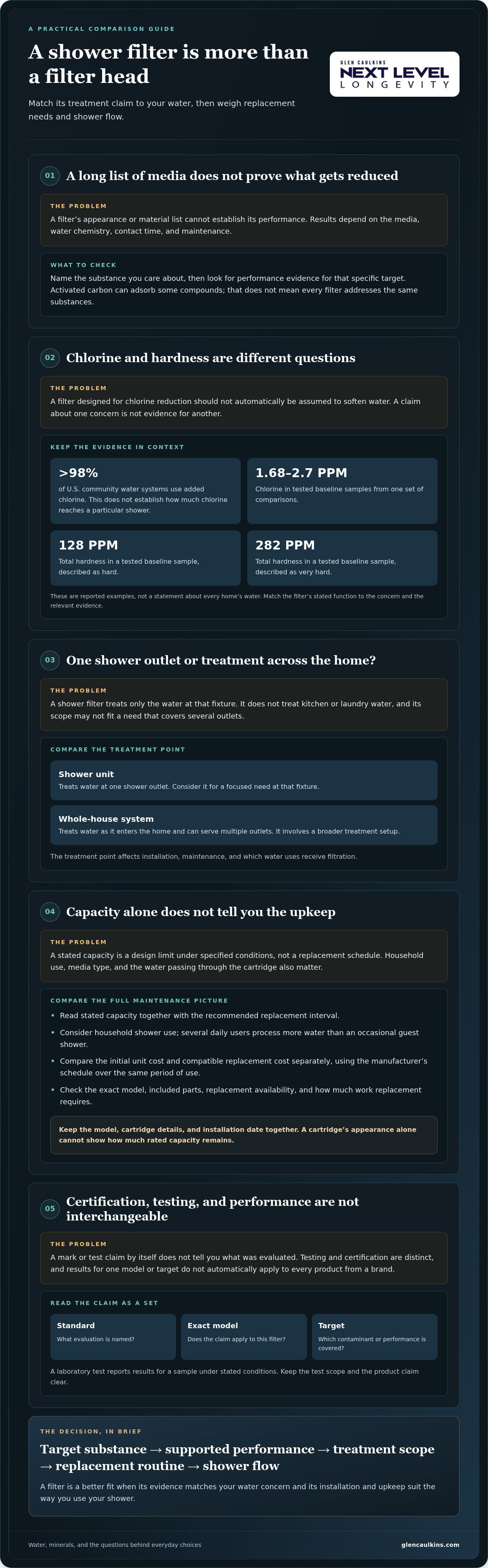
For example, activated carbon can adsorb some compounds, while other filter media use different processes. More than 98% of U.S. community water systems use added chlorine, but that fact doesn’t establish how much chlorine reaches a particular shower. Tested baseline samples in one set of comparisons ranged from 1.68 PPM to 2.7 PPM. Local water conditions and the filter’s tested performance matter.
Point-of-use filtration and whole-house treatment work at different points. A shower unit treats water at one fixture, while a whole-house system treats water as it enters the home and can serve multiple outlets. This affects installation, maintenance, and which uses receive filtered water. A shower unit does not treat kitchen or laundry water; a whole-house system covers more plumbing but requires a broader treatment setup.
Water hardness is a separate consideration from chlorine. Tested baseline samples measured 128 PPM and 282 PPM in total hardness, described as hard and very hard. A filter designed for chlorine reduction shouldn’t automatically be assumed to soften water. Match the claimed function to the concern: chlorine, particles, or hardness each requires evidence for that specific performance.
A filter adds media and fittings to the water’s path, so its design can affect flow. A shower filter head may reduce flow if its passages are narrow, the cartridge is clogged, or household pressure is already low. The effect depends on filter resistance, cartridge condition, and the plumbing supplying the shower. Compare flow information and observe the shower before and after installation.
Drawbacks include replacement needs, added resistance, and limited treatment scope. A worn or clogged cartridge can reduce flow, while an unsuitable filter may not address the substance you care about. Poorly seated connections can leak. Follow the installation steps, inspect fittings after use, and replace media according to the product instructions rather than assuming a cartridge lasts indefinitely.
To compare options, identify the target substance, check the filter’s stated performance, then consider installation and upkeep. A single shower unit can suit a focused need at one fixture. Whole-house filtration is a broader approach when treatment across several outlets is the goal. Neither should be judged by a long list of media names alone. The key question is what the system is designed to reduce, and under which conditions.
Filter capacity and replacement costs
Compare a cartridge’s stated capacity with its replacement schedule and your household’s shower use. Together, those details show the upkeep involved beyond the initial purchase.
Filter Capacity and Lifespan
Capacity describes the amount of water a cartridge is designed to treat under specified conditions. Read the stated capacity alongside the recommended replacement interval; either detail alone gives an incomplete picture. A large cartridge does not automatically last longer, since media type and the water passing through it also matter.
Household routine affects how quickly a cartridge reaches its rated use. A shower used by several people daily will process more water than an occasional guest shower. Keep the product guidance, cartridge model, and installation date together. This record makes it easier to compare the manufacturer’s schedule with actual household use.
Capacity describes a design limit, not a reason to disregard maintenance instructions. If the product gives a specific replacement schedule, use it as your planning reference. A cartridge’s appearance alone cannot show how much rated capacity remains.
Replacement Costs
Ongoing expense depends on the compatible cartridge, replacement frequency, and whether the system needs additional parts. Compare replacement options for the exact filter model, not just cartridges of a similar size. A refill that looks comparable may not fit or be intended for the same use.
For a useful budget comparison, record the initial unit cost and the cost of each compatible replacement separately. Then compare how many cartridges the manufacturer’s schedule calls for over the same period of use. This avoids assuming the lowest upfront cost means the lowest long-term expense. Also consider whether replacement media is easy to source and install.
Packaging affects what you need to buy. A cartridge-only refill differs from a kit that includes seals or other components. Check the product description and model name before ordering, then keep those details with your maintenance record. For broader context on water questions beyond a single filter, explore Glen’s research.
Finally, consider the effort involved in replacement. A cartridge that needs tools or is difficult to access may take more time to maintain than a straightforward twist-out design. Review the manufacturer’s replacement steps before choosing, especially if the shower is in a tight enclosure. Compare the full routine: compatible parts, replacement timing, and the work needed to keep the filter in service.
NSF/ANSI testing and certification
NSF/ANSI marks can clarify what a product has been evaluated against, but the mark alone does not describe its performance. Read the exact standard, model, and contaminant claim together. Certification for one model or reduction target does not automatically apply to every filter from the same brand.
Keep testing and certification distinct. A laboratory test reports results for a sample under stated conditions. Certification involves an organization evaluating a product against defined requirements. Neither a test result nor laboratory accreditation alone proves that a particular shower filter is certified.
Look for the certifying organization’s name and the exact product model in its listing. Then match the stated reduction claim to your concern, such as chlorine or a disinfection byproduct. A broad phrase like “tested to NSF/ANSI standards” does not say which substance was measured or what the test supports.
Performance details need context. A shower-filter testing score in one comparison weighted disinfection byproducts at 50% and chlorine at 35%. Those percentages describe that score’s weighting, not the percentage of contaminants removed or an NSF/ANSI certification requirement. Don’t read a scoring rubric as a product performance result.
Check whether the evidence matches the full product you plan to install. A test of filter media alone may not describe the assembled unit, and a result for one model may not represent another. For example, an inline cartridge and a filter with an included head can use different designs. Match the evidence to the exact configuration.
Use this short review before deciding:
- Identify the exact model and product configuration.
- Find the standard or test method named in the claim.
- Match the listed contaminant to your intended use.
- Separate certification, laboratory testing, and marketing language.
These steps also help you interpret chlorine claims. Certification for one reduction target does not establish performance for hardness, particles, or every compound in water. Claims should be specific enough to connect the product, test, and substance being reduced.
If a package displays a certification mark, verify that it applies to the model in hand, not merely to a company or a different product. Product names and configurations can be similar. Compare the label with the certification details, then review the replacement guidance, since a filter’s condition can affect its performance over time.
Certification is one part of selection, not a substitute for fit. Pair the evidence with the shower’s connection type, cartridge replacement plan, and preferred flow. A clear, narrow claim is more useful than a sweeping promise: it shows what was evaluated and gives you a grounded basis for comparing options.
Potential effects of chlorine on hair and skin
A shower filter can reduce only the substances its media is designed and tested to address. Some products target chlorine, while others may address different contaminants. Do not assume a filter removes chloramine or hard water minerals without evidence for that specific performance.
Chlorine is used in water treatment, and some people notice dryness or changes in how their hair feels after showering. Other factors, including personal-care products, water temperature, and individual skin or hair characteristics, can also contribute. A filter’s marketing claim alone cannot establish that chlorine caused a particular concern.
An external consumer perception study followed 47 participants for 30 days. In that study, 87% reported less dry skin, and 85% said their skin appeared brighter. These were participants’ reported impressions, not proof that a filter treats a skin condition or that chlorine caused the changes.
The same study reported that 96% found cleansers easier to rinse away after 30 days. That result describes a perception among those participants. It doesn’t establish how a different household would respond, or whether chlorine reduction alone explains the experience.
Media choice matters. Activated carbon can adsorb some compounds, while other media use different mechanisms. A chlorine-reduction claim should name the target and provide supporting test information for the specific filter. A claim about one substance does not establish performance against every contaminant.
Chloramine requires separate consideration. A chlorine claim does not automatically establish chloramine reduction, because these are distinct disinfectants. Likewise, do not assume ordinary shower filtration removes hardness minerals. If your concern is mineral scale or hard water, look for performance information that specifically addresses hardness.
Useful comparisons connect three details: the named contaminant, the filter media, and the test conditions. For example, a claim about reducing chlorine is not evidence of reducing chloramine, lead, or dissolved minerals. A laboratory result also needs to match the product model and configuration you are considering.
For a practical review, read the label and supporting performance details, then match them to your water concern. Check whether the claim concerns chlorine, chloramine, particles, or hardness. Follow the cartridge replacement guidance, too, since media condition and water passing through it affect filtration. This makes a shower filter head easier to assess by purpose rather than broad promises.
Keep the health interpretation measured. The 47-person study records consumer impressions after 30 days; it doesn’t demonstrate medical outcomes. If dryness persists, consider other routine factors such as cleanser choice and shower temperature, rather than treating filtration as a diagnosis or treatment.
Shower filter flow rate and water pressure
Flow rate and water pressure describe related but different aspects of shower performance. Flow rate is the volume of water leaving the outlet over time; pressure is the force moving water through the plumbing. A filter can add resistance, reducing the water delivered even when household supply pressure has not changed.
Filter design shapes that resistance. Water passes through media and narrow internal channels in both an integrated shower filter and an inline unit. Channel size, cartridge condition, and the showerhead’s spray openings all affect the path. A clogged cartridge can restrict flow, while a new, clean cartridge may behave differently under the same supply conditions.
Set a baseline before installation. Use the same shower setting and collect water from the outlet in a container, then compare the result after installing the filter. Keep conditions consistent, including the control position and other water use in the home. This simple comparison helps distinguish a change at the shower from normal variation elsewhere in the plumbing.
Pressure problems can also start upstream. A partly closed valve, mineral deposits in a showerhead, or simultaneous water use at another fixture can change shower performance. For example, compare the flow while the kitchen tap is off, then notice whether it changes when the tap runs. This can help reveal whether the filter alone explains the difference.
Use this sequence to investigate a weak spray:
- Compare outlet flow before and after installing the filter.
- Inspect the cartridge and showerhead openings for blockage.
- Repeat the comparison with other household fixtures turned off.
- Check the product’s flow information and replacement guidance.
A shower filter head combines filtration and water delivery in one assembly. An inline filter adds a separate component between the pipe and showerhead. Either design can affect the spray, but location alone does not determine the outcome. The cartridge’s internal design, the showerhead, and available household pressure all play a part.
Pay attention to the pattern of change. A weaker spray immediately after installation may point to added resistance or a fitting issue. A gradual decline may indicate cartridge buildup or blocked spray openings. If flow changes across several fixtures, the cause may extend beyond the shower. These clues help narrow down the problem before replacing parts.
For a fair comparison, consider both filtration purpose and shower performance. A filter’s reduction claim does not tell you how it feels in use. Read the model’s stated flow information, note your baseline, and reassess after installation and during routine cartridge changes. This gives you a practical way to judge whether the filter suits your shower without confusing pressure with flow.
Glen B. Caulkins: Under-Counter Water Revival System
The Under-Counter Water Revival System is for drinking water at the kitchen sink, not shower treatment. For the shower, the Aqualux filter with head and Ultimate Dual KDF inline filter are distinct product options. Glen B. Caulkins has a commercial interest in PristineHydro water-treatment products, so consider that context alongside the practical differences between the options.
Glen’s research explores the connections between water chemistry, minerals, environmental exposure, and biological resilience. His water-first perspective can frame questions about water, while product choices still depend on their intended use.
Explore Glen’s work and perspective.
Choose the next step that fits your water use
Let the point of use guide your decision. A shower filter is relevant when your priority is water at the shower. A shower filter head may feel like the simplest format, while an inline unit offers a separate filter connection. Compare each option with your shower setup and the performance claims that match your water concern.
Glen B. Caulkins offers the Aqualux filter with head for shower filtration. The Under-Counter Water Revival System and Travel-Portable Water Revival System are for drinking-water needs. Keeping those uses distinct helps you choose a product for the right place, rather than expecting one format to solve a different household need.
If you’re weighing these options alongside your own water priorities, contact Glen B. Caulkins to discuss options. A thoughtful next step starts with the water you want to address and the purpose each system serves. You can make your choice with clarity and confidence.
Frequently Asked Questions
What is an integrated shower filter, and how does it work?
An integrated shower filter places treatment media inside or beside the shower outlet, so water passes through the assembly before reaching you. The practical difference is installation: some designs replace the existing outlet, while others connect between the shower arm and head. Before choosing, check the shower connection, available clearance, and whether you can reach the cartridge without removing surrounding fixtures.
Which shower filtration options are worth comparing in the United States?
There is no universal “best” model for every bathroom. Compare the exact target, installation arrangement, replacement access, and evidence for the specific model. The Aqualux filter with head and Ultimate Dual KDF inline filter are two options in different formats. Start by noting your shower’s connection and space limits, then compare products that suit those conditions rather than relying on broad rankings.
How much do shower filters cost, including replacement cartridges?
Costs vary by product design and compatible replacement parts, so a single general figure could mislead. Compare the current purchase total with the ongoing cost of the correct cartridge, and list those amounts separately in your budget. Check whether the replacement is sold under the same model name as your unit. This helps avoid planning around a refill that does not fit the installed filter.
How often should you replace a cartridge?
Use the replacement schedule specified for your exact cartridge, and consider how often your household uses the shower. A rarely used guest shower and a frequently used family shower send different amounts of water through the media. If household use changes, revisit your maintenance calendar rather than relying on the date you first chose. Keep the cartridge packaging or model details for reference.
Are shower filters certified or tested to NSF/ANSI standards?
Some products have certification or test results, but these are not interchangeable claims. If a package names an NSF/ANSI standard, compare the exact product model and stated scope with the documentation. A claim may concern a particular performance measure, not every possible water constituent. Save the product details you relied on, especially if packaging or model names change when you shop for a replacement.
Are shower filters effective for skin and hair, and what does the evidence say?
Evidence about personal experience should be considered separately from evidence of a medical effect. If you want to assess a change in how your hair or skin feels, keep a brief log of your routine, including cleanser and wash frequency, before changing several products at once. This makes observations easier to interpret. Consumer impressions can guide personal preference, but they do not establish treatment or explain the cause of a change.
How do you install a shower filter head?
Follow the product’s installation steps, seat the connections properly, and inspect the fittings for leaks after use.
Frequently Asked Questions
What is an integrated shower filter, and how does it work?
Which shower filtration options are worth comparing in the United States?
How much do shower filters cost, including replacement cartridges?
How often should you replace a cartridge?
Are shower filters certified or tested to NSF/ANSI standards?
Are shower filters effective for skin and hair, and what does the evidence say?
How do you install a shower filter head?
More articles