Under Counter Water Filter Installation in Costa Mesa
November 11, 2026 · 15 min read
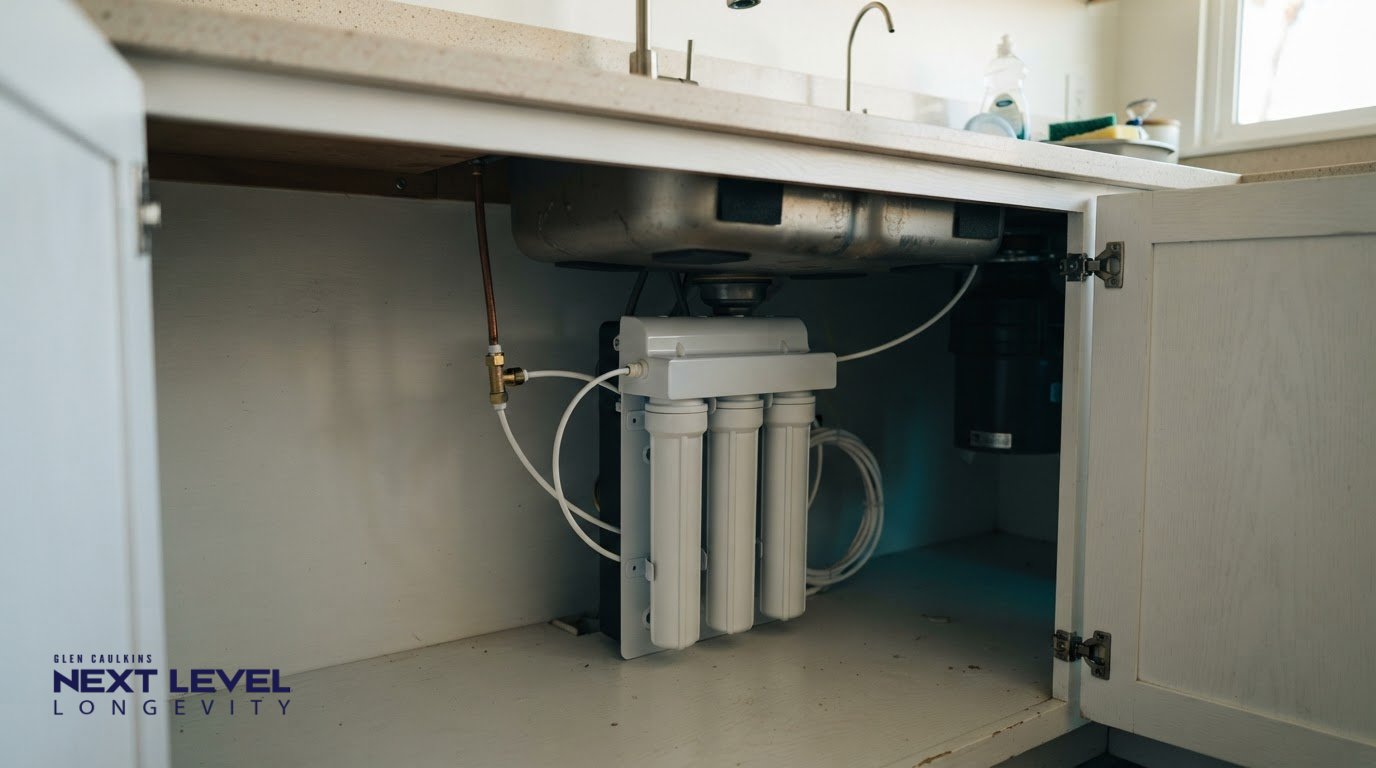
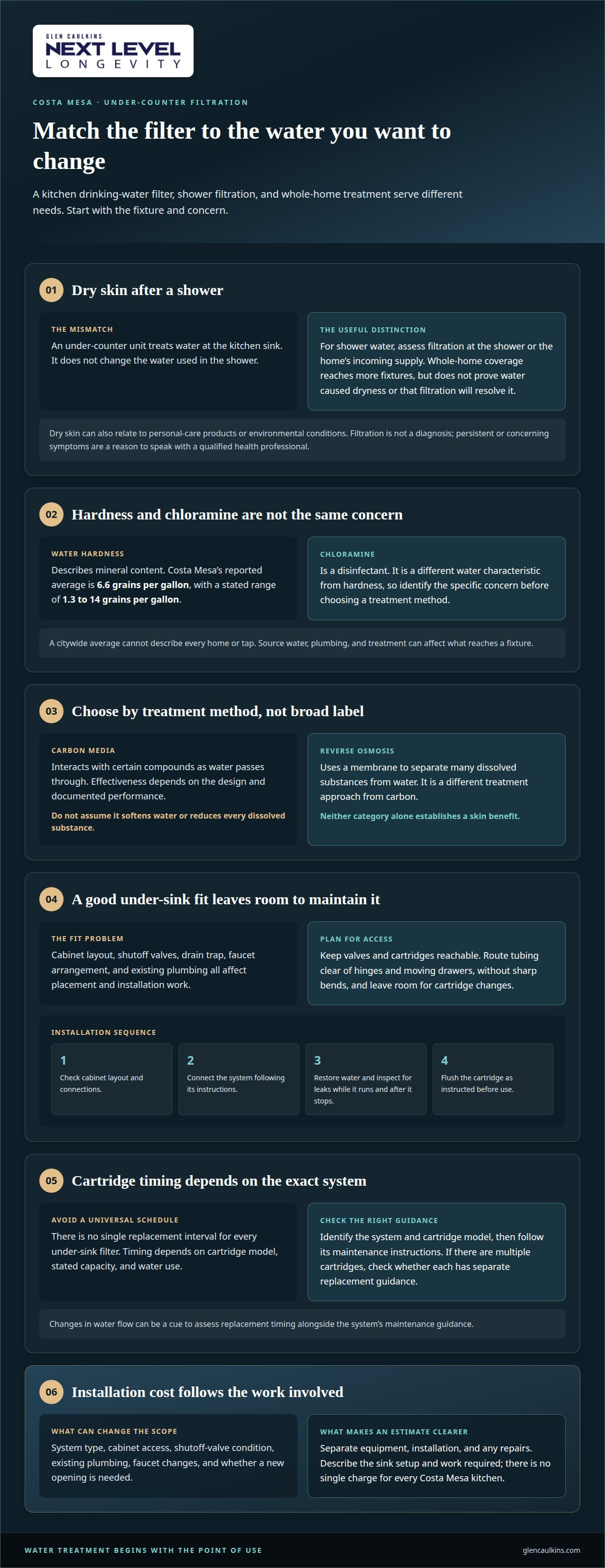
An under counter water filter in Costa Mesa can change the water at your kitchen tap, but it won’t treat the water you bathe in or guarantee relief from dry skin. Costa Mesa water hardness averages around 6.6 grains per gallon, with a stated range of 1.3 to 14 grains per gallon. Hardness and chloramine are different water concerns, so the right filtration approach depends on what you want to address.
Dry skin can have several causes, and a drinking-water filter alone may not change how your skin feels after a shower. This guide explains water hardness and chloramine, what under-sink filtration can and cannot do, and how to assess cabinet space and cartridge changes. The goal is practical: help you decide whether an under counter water filter in Costa Mesa fits your needs, without treating filtration as a solution for every water or skin concern.
Key Takeaways
- Match the filtration system to the water you want to treat: an under-sink unit serves a kitchen tap, while whole-house filtration addresses water throughout the home.
- Plan cabinet fit around the available space, plumbing connections, and room needed to access and replace cartridges.
- Use the system’s maintenance guidance and changes in water flow as cues to assess cartridge replacement timing.
- Installation costs depend on the system and the work needed to connect it in the kitchen.
- Explore the Under-Counter Water Revival System when you want a dedicated drinking-water filtration option, and consider replacement filters as part of ongoing maintenance.
Under-sink drinking water filter installation in Costa Mesa
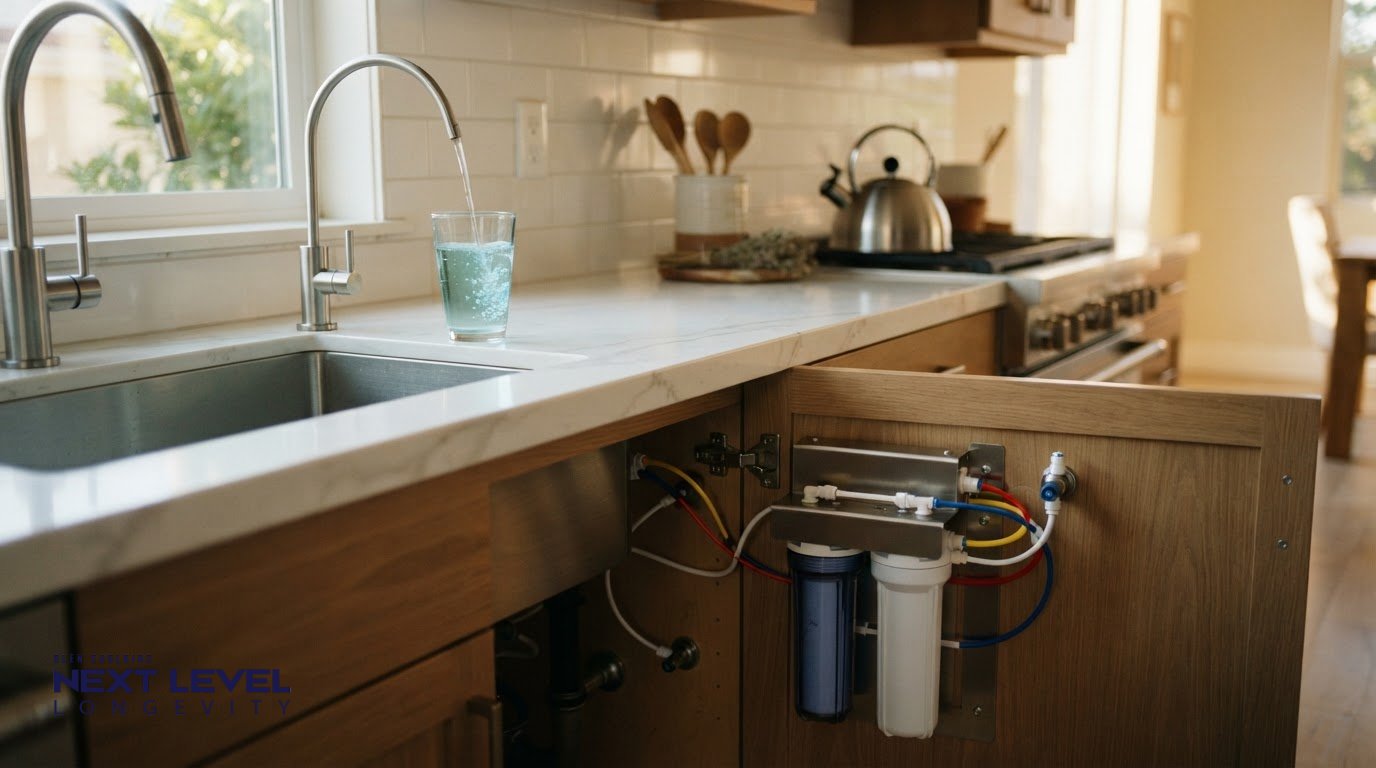
An under-sink filter connects to a kitchen water line and treats water at the point of use. Installation involves checking the cabinet layout, making the required connections, and testing the system before use.
Professional Installation Benefits
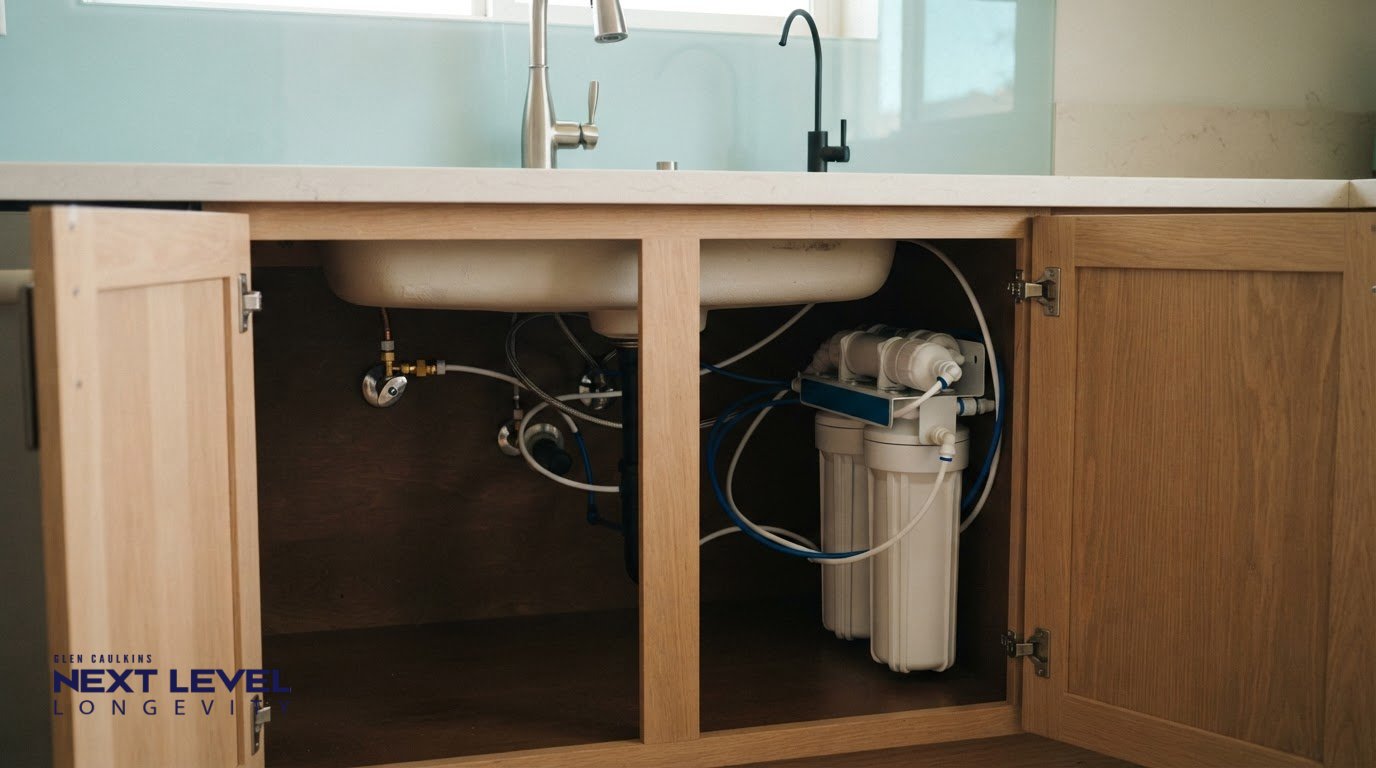
Careful placement keeps tubing clear of cabinet hinges, cookware, and cleaning supplies. It also leaves shutoff valves and cartridges accessible for maintenance.
A complete setup includes inspecting connections after water flows through the filter. Follow the system instructions to flush the cartridge before using the filtered tap.
Installation starts by identifying the system’s inlet and outlet connections. Shut off the water supply, connect the filter according to its instructions, and make any required faucet connection. Route tubing without sharp bends or contact with moving drawers. The drain trap and existing valves also affect where the housing can fit.
Test for leaks before returning the cabinet to normal use. Restore the water, inspect connections while the tap runs, and check again after the flow stops. Flush the system according to its instructions to clear air and prepare a new cartridge for use. A final inspection can reveal a loose fitting or drip that was not apparent during installation.
For renters, the right approach depends on the lease and the work involved. Connecting to existing plumbing differs from drilling a new faucet opening or making a permanent alteration, so check the relevant approval requirements before proceeding.
Installation Costs
Installation costs depend on the filter system and the work required at the sink. Key factors include access to the shutoff valve, the condition of existing plumbing, faucet changes, and whether a new opening is needed.
A worn valve or damaged tubing may require additional repair work. A clear estimate separates equipment, installation, and repairs so you understand the scope before work begins.
Installer Selection and Charges
Under-counter filtration involves connecting a point-of-use system to the plumbing. Costs vary with the system, cabinet access, faucet arrangement, and condition of existing fittings. There is no single charge for every Costa Mesa kitchen.
Leak testing, cartridge flushing, and any faucet or plumbing changes affect the work involved. When requesting an estimate, describe the sink setup and installation tasks so the scope reflects the actual job rather than a generic filter connection.
Will filtration fix the dry skin I get here even though the water isn't that hard?
Filtration can change water at the fixture it serves, but it cannot establish why skin feels dry. First decide whether your concern is kitchen drinking water, shower water, or both.
Under-Counter and Whole-House Options
An under-counter unit treats water at a kitchen sink. It can serve drinking and cooking needs, but it does not treat shower water unless connected there. A whole-home system treats water entering the home and reaches fixtures such as showers and bathroom sinks.
That distinction matters if dryness occurs after bathing: a kitchen filter does not change the water used in the shower. A whole-home system reaches more fixtures, but broader coverage does not show that water caused the dryness or that filtration will resolve it.
Hardness describes mineral content, while chloramine is a disinfectant. They are different water characteristics, and neither alone explains an individual skin response. Costa Mesa’s reported hardness range varies, so a citywide average cannot describe every home’s water at every tap. Plumbing, source water, and treatment can all affect what reaches a fixture.
Filter types serve different purposes. Carbon media interacts with certain compounds as water passes through, but effectiveness depends on the design and documented performance. Do not assume carbon filtration softens water or reduces every dissolved substance.
Reverse osmosis uses a membrane to separate many dissolved substances from water. This differs from carbon treatment, so the two are not interchangeable. A product’s specific performance information matters more than its broad label. Neither category alone establishes a skin benefit.
Choosing a Filtration Unit
Start with the water use you want to change. For drinking water at the kitchen sink, consider a point-of-use drinking-water system. For water throughout the home, assess a whole-home approach. If shower comfort is your concern, focus on filtration at the shower or the home’s incoming supply.
Next, match the filter’s stated capability to a specific water concern. A drinking-water system may not address shower exposure, and a carbon-based filter does not automatically address hardness. The treatment method, target, and documented performance should align.
Dry skin can have causes unrelated to tap water, including personal care products and environmental conditions. A filtration change is not medical advice or a diagnosis. If symptoms persist or concern you, discuss them with a qualified health professional. For choosing a filter, focus on the fixture and water use you want to change, then select a system for that purpose.
Cartridge-change timing guidance
There is no single replacement schedule for every under-sink filter. Timing depends on the cartridge model, its stated capacity, water use, and the manufacturer’s maintenance instructions. Follow guidance for the exact filter installed rather than applying an interval from another system. If the filter has multiple cartridges, check whether each has separate replacement instructions.
Start by identifying the system and cartridge model. The product label, manual, or purchase record can help distinguish the correct cartridge from a similar-looking part. Record the installation date and model together. After a replacement, update the record to keep the maintenance history tied to the right filter.
Household use affects how quickly a cartridge reaches its stated capacity. A kitchen tap used for drinking, cooking, and filling bottles sends more water through the filter than one used occasionally. Use the manufacturer’s capacity guidance alongside your actual usage, and check the manual for separate time and volume limits.
A change in filtered-water flow can prompt an inspection, but it does not identify the cause. A partly closed valve or kinked tube can also restrict flow. Use the system’s troubleshooting instructions to distinguish a cartridge issue from another problem. Changes in taste or odor are observations, not measurements of remaining cartridge capacity.
- Keep a record: Note the filter model, cartridge model, and installation date together.
- Track use: Follow the stated capacity and any system indicator as the manufacturer directs.
- Notice changes: Record shifts in flow, taste, or odor, then use the manual’s troubleshooting guidance.
- Match the replacement: Choose a cartridge specified for the installed system.
A system indicator can help track maintenance, but use it as instructed. It may be a reminder rather than a direct measure of cartridge condition. If there is no indicator, the installation record and manufacturer’s schedule are especially useful. For example, note cartridge changes alongside other routine home-maintenance records.
Before replacing a cartridge, review the model-specific instructions to confirm the correct part and removal method. Keep the packaging or product label available until the replacement is complete. Follow the specified startup procedure, then update the maintenance record. These steps help prevent mix-ups and make the next replacement easier to plan.
Compact filter sizing for under-sink cabinets
Cabinet fit depends on more than the space occupied by the filter housing. The drain trap, shutoff valves, garbage disposal, and stored items also affect usable space. Measure the cabinet before choosing a system, then compare those measurements with the installation instructions.
Clear the sink cabinet and locate fixed obstacles. Measure the available width, height, and depth, including the space beneath the sink basin. Note the positions of the P-trap and water lines. A filter may fit beside a cabinet wall yet still block a valve or interfere with the drain.
Map the route from the water connection to the filter and faucet. Tubing needs a practical path that avoids sharp bends, drawer slides, and cleaning supplies. For example, a pull-out trash bin may occupy the corner where the filter housing would otherwise go. Keep shutoff valves accessible.
- Record cabinet dimensions: Measure width, height, and depth around fixed plumbing.
- Mark obstructions: Include the drain trap, disposal, hinges, and shelves.
- Review service access: Leave a usable path for cartridge removal and replacement.
- Trace connections: Check how tubing can reach the water line and faucet.
Maintenance access matters as much as initial placement. A nearby shelf or cabinet frame can make cartridge replacement difficult if the cartridge must be removed from the bottom or side. Compare the service instructions with the cabinet layout. A filter behind stored detergent may fit initially but be awkward to reach later.
Include the faucet in your space planning. A dedicated drinking-water faucet may need an available opening or a suitable countertop location, and its tubing needs a clear route through the cabinet. If the sink area already has a soap dispenser or another fixture, account for it when choosing the installation arrangement.
Compare your measurements with the exact system diagram, not a generic description such as “compact.” Housing shape, connection points, and cartridge access vary by model. Make sure the proposed location leaves room to shut off the water and inspect fittings. A cabinet sketch can help show whether the filter, plumbing, and storage can fit without blocking one another.
How much does an under-counter water filter cost in Costa Mesa, including installation?
The total depends on the filtration system and the work needed beneath the sink. Equipment, installation labor, faucet changes, and plumbing repairs can each affect the estimate. Connecting to an accessible water line involves different work from adding a separate faucet or repairing a worn shutoff valve.
The price depends on the job and is provided in a quote. The estimate should separate the filter system from installation work so you can see what each covers. Ask for a scope that identifies any faucet, drilling, plumbing, or cabinet modifications.
The filtration method can affect equipment needs. A system with a dedicated faucet may require a compatible opening in the sink or countertop. A kitchen with an available opening may need fewer modifications than one where the surface must be drilled. The system’s connection requirements also shape the installation.
Labor depends on access and existing conditions. A clear cabinet with reachable shutoff valves is a different starting point from a crowded space with a disposal, tight plumbing, or damaged tubing. Repairing a leak or faulty valve can add to the scope, so identify these conditions before work begins.
- System requirements: Consider the unit’s connection layout and included components.
- Faucet work: Account for a dedicated faucet and any needed opening.
- Plumbing condition: Include repairs to valves, fittings, or tubing if required.
- Cabinet access: Note obstructions that make connections or testing more involved.
- Ongoing maintenance: Factor in the correct replacement cartridge for the chosen system.
Compare estimates by scope, not just the total. One may cover only the connection, while another includes faucet installation, leak testing, flushing, and cleanup. A clear written description distinguishes installation from repairs and explains what happens before the system is ready to use.
For example, a kitchen with an existing faucet opening and sound plumbing may need fewer changes than one requiring a new opening and valve repair. The actual work matters more than a general installation label. In Costa Mesa, describe your sink setup and filtration goal when requesting an estimate, then review the equipment and labor together.
Glen B. Caulkins: Under-Counter Water Revival System
The Under-Counter Water Revival System is a kitchen drinking-water option for readers seeking filtration at the sink. It is a focused choice, not a whole-home treatment system or a remedy for dry skin. Consider it when your priority is drinking and cooking water, and compare its cabinet fit and maintenance needs with the guidance above. Replacement filters support ongoing maintenance; choose the cartridge matched to the system.
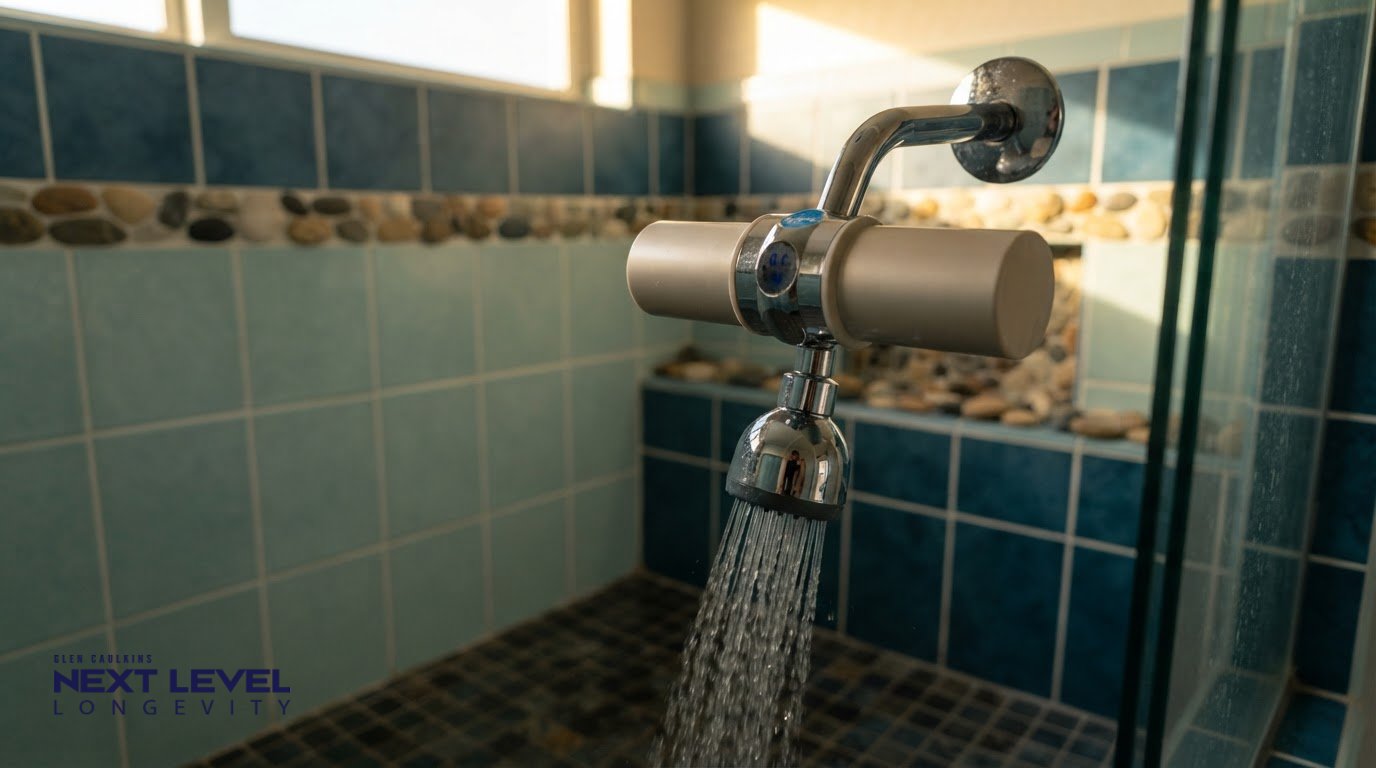
For water needs beyond the kitchen, the Travel-Portable Water Revival System serves a different purpose. The Aqualux filter with head is a separate option for shower filtration. Each product serves a different point of use, so keep the intended application in mind.
For questions about the system, contact Glen B. Caulkins.
Choose the next step that fits your home
Choosing an under-counter water filter for a Costa Mesa home starts with a clear purpose: improve drinking water at one kitchen sink, address a shower concern, or consider water use across the home. Keep these goals distinct. A kitchen system serves a different need from a shower filter, and neither should be expected to resolve every concern about water or skin.
Glen B. Caulkins offers the Under-Counter Water Revival System for kitchen drinking water, the Aqualux filter with head for shower filtration, and the Travel-Portable Water Revival System for portable use. The right option depends on where you want filtered water and how you plan to use it. Start with the intended use, then consider fit and maintenance.
Explore the Under-Counter Water Revival System, the Aqualux filter with head, or the Travel-Portable Water Revival System to compare options for your intended use.
Frequently Asked Questions
What are the best under-counter water filters available in Costa Mesa?
Your choice depends on your drinking-water goals and preferred treatment approach. The Under-Counter Water Revival System uses reverse osmosis and dual deionization, then adds minerals such as magnesium and calcium bicarbonate. It may suit someone seeking remineralized drinking water at the kitchen sink. Glen B. Caulkins is associated with PristineHydro, the brand offering this system. He serves customers in Costa Mesa, Laguna Woods, Newport Beach, Laguna Beach, Carlsbad, and Irvine.
Which under-counter filters reduce chlorine, lead, PFAS, and other contaminants?
Do not assume a filter reduces every named contaminant without product-specific performance evidence. The Under-Counter Water Revival System uses reverse osmosis and dual deionization, but that description alone does not establish reduction claims for chlorine, lead, or PFAS. Water composition varies. To learn what is in your supply, consult your utility’s water report or obtain a laboratory test, then compare relevant results with the system’s documented performance. Glen B. Caulkins is associated with PristineHydro, the brand offering this system.
How do under-counter carbon filters compare with reverse osmosis systems?
Carbon and reverse osmosis use different treatment mechanisms, so compare their documented capabilities rather than relying on broad filter categories. Carbon media can target certain compounds, depending on its design. Reverse osmosis uses a membrane to separate many dissolved substances from water. The Under-Counter Water Revival System combines reverse osmosis with dual deionization and remineralization. Glen B. Caulkins is associated with PristineHydro, the brand offering this system. Compare the evidence for each system against your intended use.
How often do under-counter water filter cartridges need replacement, and what do replacements cost?
Replacement timing depends on the specific cartridge and its manufacturer’s instructions. Follow the model’s stated schedule and capacity rather than assuming one interval applies to every under-counter system. Replacement-filter prices vary by product; consult current information for the matching cartridge. Record the installation date and cartridge model to make future maintenance easier, particularly when different filters serve different taps.
Can an under-counter water filter be installed under a kitchen sink without plumbing modifications?
Sometimes, depending on the filter’s connection design and the existing sink setup. A system may need a compatible water connection, and a dedicated faucet may require an available opening. A suitable existing faucet arrangement may need fewer changes than a new opening or plumbing work. Renters should obtain landlord approval before altering plumbing or drilling a surface.
Frequently Asked Questions
What are the best under-counter water filters available in Costa Mesa?
Which under-counter filters reduce chlorine, lead, PFAS, and other contaminants?
How do under-counter carbon filters compare with reverse osmosis systems?
How often do under-counter water filter cartridges need replacement, and what do replacements cost?
Can an under-counter water filter be installed under a kitchen sink without plumbing modifications?
More articles