Shower water filter costs, capacity, and filtration
November 19, 2026 · 16 min read
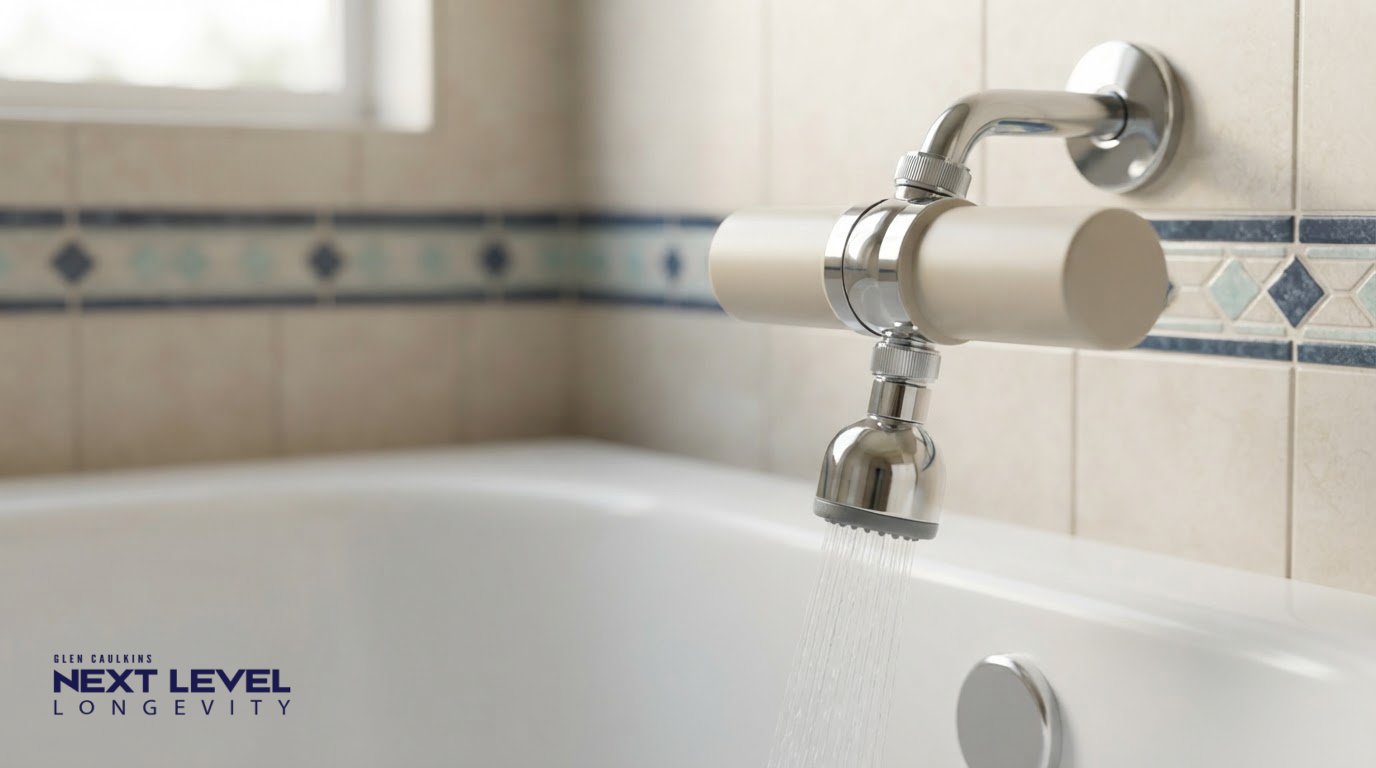
A point-of-use filter treats water at a single fixture. The Centers for Disease Control and Prevention explains that it protects only the fixture it serves. Its performance depends on the substances its filter media is designed to reduce.
It’s tempting to expect one device to address every water concern, but filtration depends on the media and its intended use. A filter designed for chlorine or sediment should not automatically be expected to soften hard water or reduce other substances.
This guide explains how a shower water filter works, what it may reduce, and how inline units compare with filters that include a shower head. It also covers capacity, replacement costs, and routine maintenance. The CDC says filters need maintenance and replacement according to the manufacturer’s recommendations to work properly and prevent germs from growing in them. Use these details to decide whether a filter suits your shower setup and water concerns.
Key Takeaways
- Judge reduction claims by the specific test evidence and the conditions it covers, not by broad wording on a label.
- Understand how capacity, water use, and maintenance shape when a filter cartridge needs replacement.
- Distinguish a filter supplied with a shower head from an inline unit when considering shower fit and setup.
- Separate hardness minerals from substances a shower filter may reduce; filtration does not automatically mean water softening.
- Explore PristineHydro’s Aqualux filter with head and Ultimate Dual KDF inline filter as options for different shower setups.
What Shower Filters Can Reduce, and How to Assess the Evidence
A filter may target chlorine, certain metals, or sediment, but each claim needs evidence for that specific substance. Start with a test report and compare its scope with the product’s stated purpose.
Chlorine Reduction Performance
Look for test results that name chlorine, report the measured reduction, and describe the conditions tested. A broad claim about chlorine reduction does not say how much the filter reduced or how long that result applies. Match the tested model and operating conditions to the product you are considering. A chlorine claim needs evidence about chlorine, not just a general filtration statement.
Keep laboratory results separate from scoring systems. One market scoring page assigns disinfection byproducts 50% of its shower-filter score. That weighting describes the page’s evaluation method. It is not a chlorine-removal rate or a measured result for any particular product.
Read each test report step by step. First, identify the exact filter model and substance tested. Then note the incoming concentration, flow conditions, and sampling points. Compare these details with the manufacturer’s claim. A test for one substance cannot establish reduction of another, even if both appear in broad product language.
Test conditions define what a report can demonstrate. It describes the sample and method examined, not every filter in every home. For example, a chlorine result from a tested unit does not establish identical performance after extended use. The report’s scope sets out which conclusions its evidence supports.
Heavy-Metal and Sediment Reduction
“Heavy metals” is a category, not a single test substance. Look for a report that names each metal and gives its individual result. Evidence for one metal does not establish reduction of all metals. A sediment claim should also identify the material or measure tested, rather than implying that all particles behave alike.
Check whether the report covers a complete filter assembly or only its filter medium. That distinction defines what the result represents. Evidence for a tested cartridge, for instance, does not automatically apply to a different model or configuration.
Use three checks to assess a performance claim: substance, test conditions, and scope. Confirm that the tested substance matches your concern, the model matches the product, and the conclusion stays within the reported result. If a claim uses broad terms such as “metals” or “particles,” look for evidence that explains what they cover.
A careful reading helps avoid two common mistakes: treating one measured result as universal, or assuming a filter reduces substances not included in its test evidence. The key question is whether the report supports the specific reduction claimed. Judge a product by that evidence, not broad wording alone.
Filter Capacity, Replacement Costs, and Product Options
Capacity describes how much water a cartridge can treat before replacement. It depends on the filter design, the substances targeted, and the water passing through it. A frequently used shower may reach its replacement point sooner than a lightly used one. Treat a capacity figure as a product-specific estimate, not a universal schedule.
Capacity and Cartridge Replacement
Follow the CDC’s guidance on choosing home water filters and check the manufacturer’s instructions for the exact filter model. Compare the stated replacement interval with household use and the unit’s operating conditions. A cartridge’s role can change as it accumulates material, so waiting for a noticeable change in water is not a dependable maintenance plan. Record the installation date and follow the product’s stated replacement instructions.
Replacement cost depends on cartridge design, which components need replacing, and how often the system requires a new filter. Compare the price of a compatible cartridge with the complete unit’s maintenance guidance. A lower initial cost does not necessarily mean a lower overall ownership cost, especially if replacement parts differ in price or availability.
Auto-Delivery and Product Options
Auto-delivery can simplify scheduled replacements when a compatible replacement plan is available. Its usefulness depends on matching the cartridge to the filter model and timing deliveries around actual maintenance needs. A reminder or recurring shipment does not replace the manufacturer’s instructions. Confirm that each replacement is intended for your specific unit rather than relying on appearance alone.
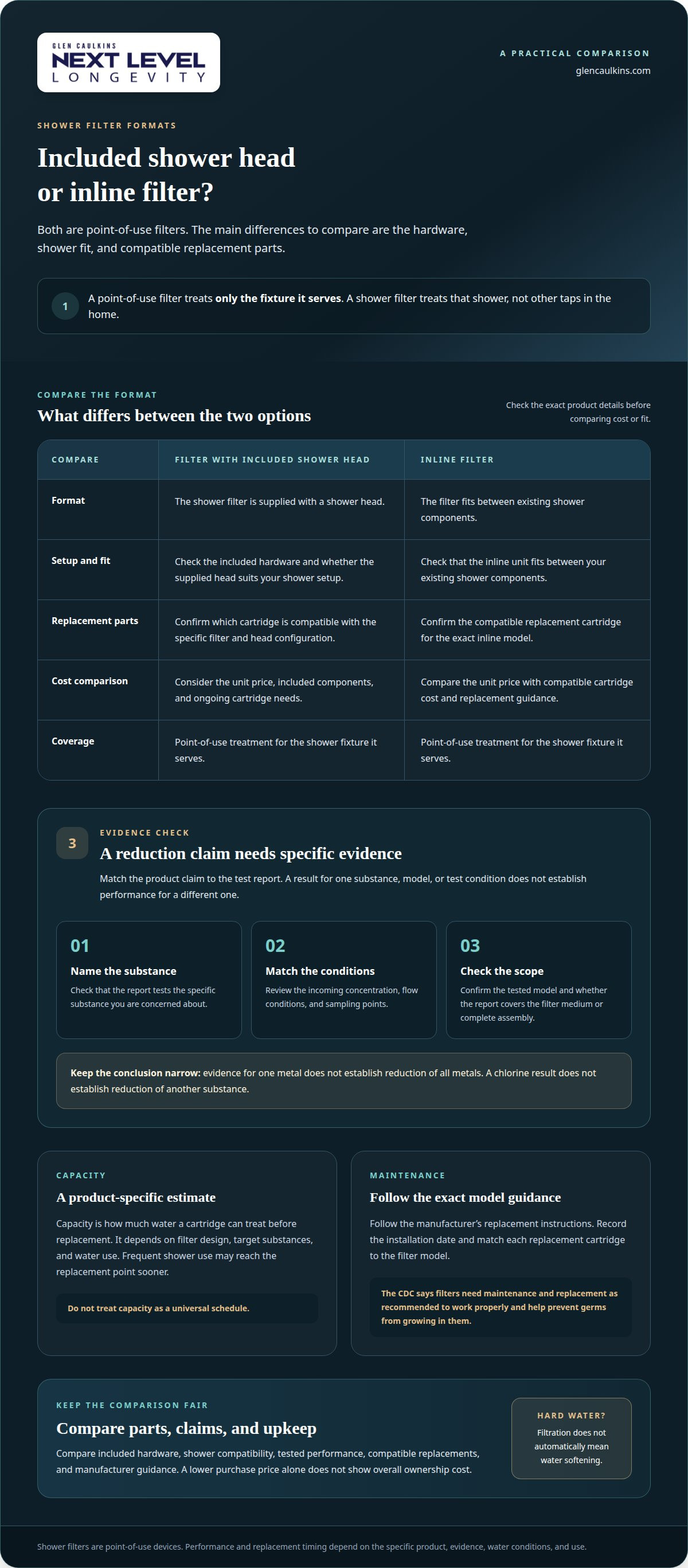
Shower filters commonly come either paired with an included shower head or as an inline unit fitted between existing shower components. The formats differ in setup and replacement parts. The CDC explains that a point-of-use filter protects only the fixture it serves. A shower unit therefore treats that shower, not other taps in the home.
Prices and Certification Scope
Compare product prices alongside the included components and replacement needs. A unit with a shower head and an inline unit may not include the same parts, so purchase price alone does not show their relative maintenance costs. Replacement cartridges must also match the system, making model compatibility part of the cost comparison.
Certification and performance testing are related, but they are not interchangeable. A laboratory report describes the sample and conditions tested; product certification applies only within its stated scope. Read the exact product, contaminant, and performance language covered by a certification. A mark or test for one reduction claim does not establish other claims, such as capacity or service life.
For a practical comparison, note the filter format, included hardware, compatible replacement cartridge, stated capacity, and replacement guidance. Then consider how often the shower is used and which parts you may need over time. This gives you a clearer picture of upkeep without treating one filter’s capacity, price, or certification as a standard for every model.
Installation, Maintenance, and Shower-Head Compatibility
For a standard US shower, an inline unit fits between the shower arm and shower head, following the product instructions. A filter supplied with its own head replaces the existing head, so the connection sequence differs.
Shower-Filter Installation
Start by identifying the filter format and reading its installation instructions. For an inline unit, the basic sequence is to remove the existing shower head, attach the filter to the shower arm, then reconnect the head. For a filter with an included head, remove the old head and attach the filter-head assembly as directed. Follow the unit’s instructions for the actual connection and orientation.
Before turning on the water, make sure the parts are secure and any supplied seals are positioned as instructed. Run water through the installed filter as directed, and check each connection for leaks. A leak at the arm or head signals a connection that needs attention before regular use.
Shower-Head Compatibility
An inline filter lets you keep your existing shower head if the filter and connections are compatible. A filter with an included head replaces that fixture, so it suits a different setup. Check the product’s connection requirements and warnings before installation. Do not assume every shower arm, head, or accessory will fit every filter.
Also consider the space between the shower arm and head. An inline unit adds another component to that connection. If the existing head has an unusual design or attached accessory, the added filter may affect the fit. The product instructions define which configurations it supports.
A useful installation sequence is simple:
- Identify whether the unit is inline or includes a shower head.
- Follow the model’s instructions to remove and attach the relevant parts.
- Run water and inspect the connections for leaks.
Maintenance continues after setup. The CDC says filters need regular maintenance and replacement according to the manufacturer’s recommendations. This helps them work properly and prevents germs from growing in them. Follow the schedule for your specific filter model rather than applying another product’s schedule.
Keep the model instructions handy for cartridge changes. Use a compatible part and follow the stated removal and reassembly steps. A replacement that does not match the filter can undermine its fit or operation. After changing it, follow the instructions for restarting the filter and check the connections again.
Water flow can also signal a maintenance issue. If flow changes after installation or over time, consult the filter’s instructions for relevant checks and replacement guidance. Do not force a stuck connection or improvise a fitting. Model-specific warnings determine which shower arrangements and maintenance steps are appropriate.
What Shower Filters Can and Cannot Do About Hard Water
Do not assume a shower water filter softens hard water. Its limits depend on the treatment media and tested purpose. If it targets other substances, the calcium and magnesium that cause hardness may remain.
Water Hardness Considerations
Hard water contains dissolved calcium and magnesium. As shower water evaporates, these minerals can leave deposits on glass, fixtures, and tile. A filter designed to reduce chlorine or sediment does not automatically remove dissolved hardness minerals. Water may contain less of one targeted substance and still behave like hard water.
Match the treatment method to the result you want. If mineral scale around a shower head is the concern, look for evidence that specifically addresses hardness or mineral removal. A claim about chlorine reduction does not answer that question. The filter’s stated purpose and test evidence should align with the visible problem.
For example, a shower filter may target certain compounds while calcium and magnesium continue through the fixture. The same mineral deposits may remain on shower glass, even if another measured substance is reduced. The practical takeaway is simple: do not choose a filter for hardness unless its specific evidence supports that function.
Filter Limitations and Risks
The main risk is expecting one device to solve different water issues. A filter aimed at particular substances may not address hardness, and a product claim is not proof of every possible reduction. Check the filter’s intended purpose before linking it to a problem such as scale, residue, or changes in how the water feels.
Maintenance matters, too. A cartridge used beyond its recommended replacement guidance may no longer perform as intended. A filter that does not fit the shower connection can leak or disrupt normal use. Follow the model’s installation and replacement instructions rather than adapting parts or extending service intervals.
Separate what you observe from its likely cause. White deposits on a shower door suggest mineral residue; they do not show whether chlorine or sediment has been reduced. Likewise, a filter’s tested performance for one substance does not establish that it changes mineral hardness.
Use this simple decision path: identify whether the concern is deposits or another substance, then compare it with the filter’s specific purpose and supporting evidence. If the concern is hard-water scale, a product without a hardness-related claim and evidence is not a demonstrated solution.
This distinction keeps expectations grounded. Filtration can address the substances a particular design targets, while hardness remains a separate water characteristic. A shower filter may reduce selected substances, but it should not be treated as a water softener unless its documented function supports that conclusion.
PristineHydro Shower Filters and Replacement Filters
PristineHydro offers the Aqualux filter with head for a shower setup that uses an included shower head. It is a specific option to consider once you have separated filtration goals from water-hardness concerns. The right choice still depends on the shower connection, the filter’s stated purpose, and that model’s maintenance instructions.
The Aqualux format differs from an inline filter that attaches between an existing shower arm and head. Its included head creates a distinct configuration, so compare its installation requirements with your current setup. Product names alone do not establish reduction performance, capacity, or suitability for a particular water concern. Those details depend on the relevant product information and evidence.
Choosing a Shower Option
Start with the concern you want to address. If you want a shower filter with a head, Aqualux is PristineHydro’s option. Consider its stated use and installation requirements alongside your shower connection. For concerns about chlorine, metals, sediment, or hardness, look for evidence that addresses the specific substance or property.
Replacement filters are also part of the decision. A replacement must match the filter model; a similar appearance does not prove compatibility. Follow the product guidance for maintenance and replacement. This keeps your choice connected to the system you have, rather than a general cartridge description.
Keep the System’s Purpose Clear
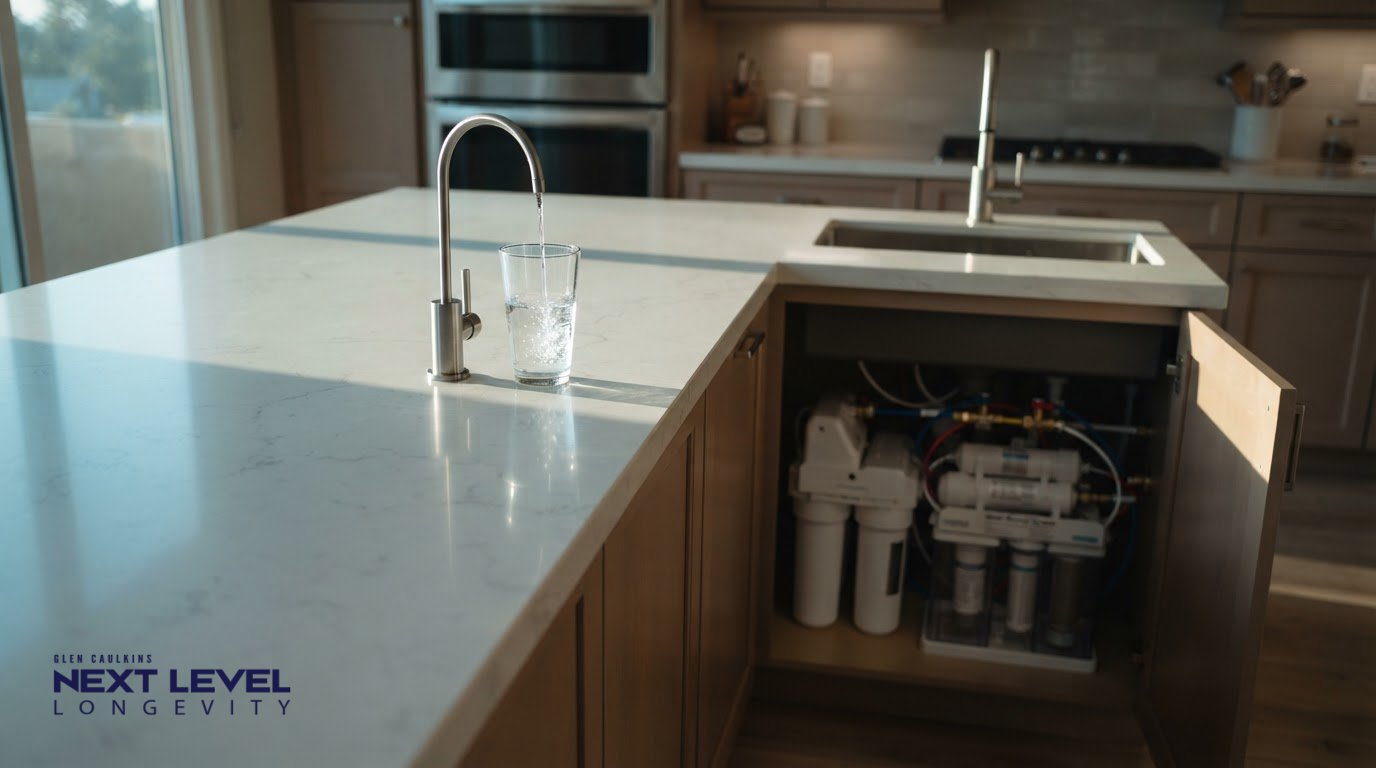
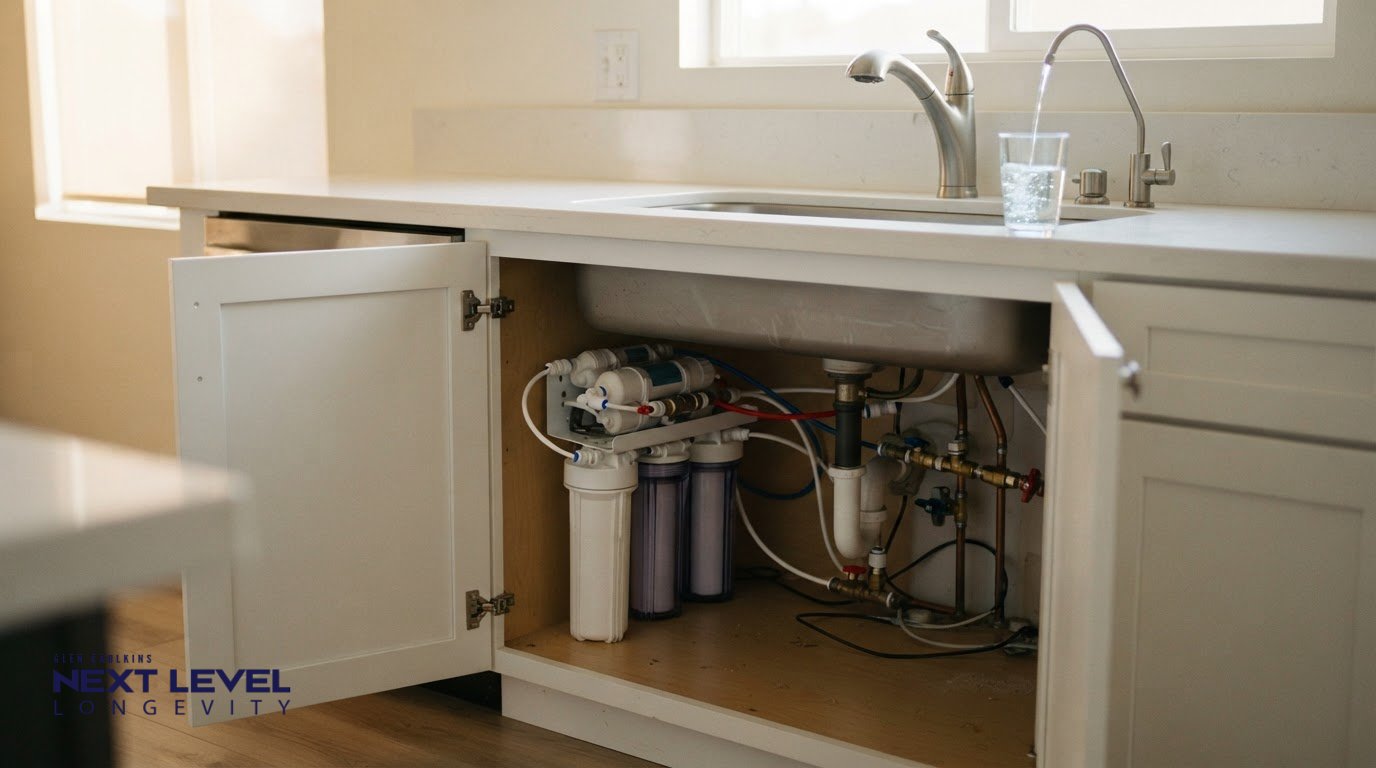
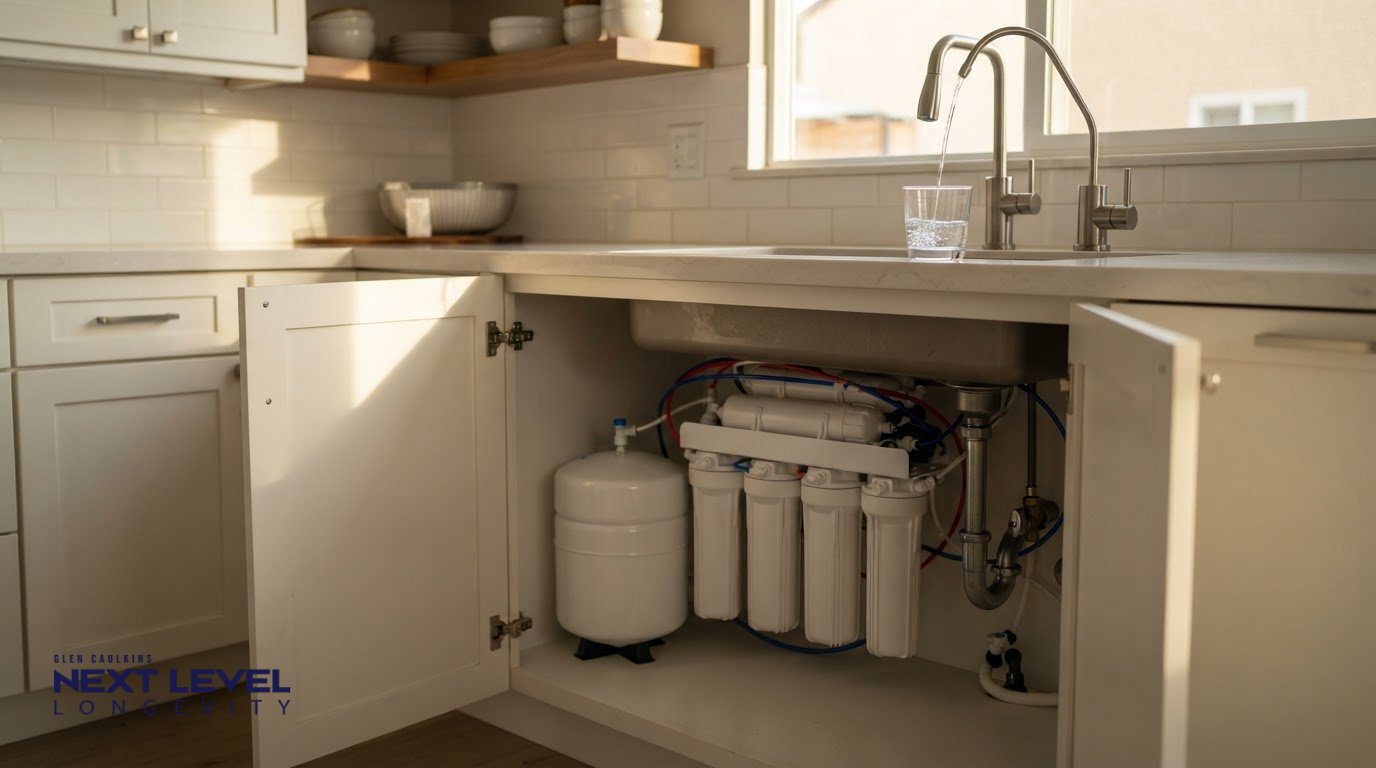
PristineHydro also offers the Under-Counter Water Revival System and the Travel-Portable Water Revival System. These are separate from a shower filter and treat water at their intended points, not every fixture throughout a home. The CDC explains that a point-of-use filter protects only the fixture it serves. That distinction helps clarify which product type fits the task.
A shower filter is not a substitute for a drinking-water system, and a drinking-water system is not a whole-house system. Keeping those purposes distinct helps prevent mismatched expectations. If shower fit is the deciding factor, consider Aqualux’s included-head format and product instructions. For drinking water, consider the separate Water Revival System options.
Before deciding, return to the evidence and your setup: what you want to reduce, which fixture needs treatment, and which replacement part matches the model. PristineHydro’s Aqualux option is relevant when an included shower head suits your installation. Do not treat it as a hardness solution unless the product information specifically supports that function.
To learn more about PristineHydro’s options, visit the PristineHydro website.
Frequently Asked Questions
What contaminants can shower filters remove or reduce?
Depending on the model, claims may cover chlorine, certain metals, or sediment. The question is whether documentation supports the specific substance you care about. Your utility’s water report can provide local treatment information, while a laboratory test can examine a particular sample. Neither a filter label nor a general product category can identify everything in your home’s water.
How effective are shower filters at removing chlorine and chloramine?
Effectiveness varies by product, and chlorine and chloramine require separate evidence. A report measuring chlorine alone cannot show how a filter performs against chloramine. Use your utility’s water report to see which disinfectant it reports, then compare that information with the product’s test results. Do not assume a result for one disinfectant applies to the other.
Do shower filters remove hard water minerals like calcium and magnesium?
Only a treatment designed and supported for hardness should be expected to address calcium or magnesium. Mineral scale on a faucet or glass can suggest deposits, but it does not measure water hardness. For a precise assessment, use a water test that reports hardness rather than inferring it from general filter claims or the appearance of bathroom surfaces.
What types of shower filters are available, and how do they compare?
Options include units that pair filtration with a shower head and inline units used with a separate head. Compare how each arrangement affects the parts you want to keep, the available space, and the replacement components you may need later. A renter who wants to keep an existing fixture may weigh these details differently from someone replacing a shower head during a bathroom update.
What are the best shower filters in the US for different budgets?
No single model is best for every budget or household. Consider the full ownership picture: the initial unit, compatible replacement parts, and stated maintenance schedule. Then narrow your choices by the concern you want to address and the evidence available. This helps avoid choosing solely by purchase price, which may not reflect what it takes to maintain a filter over time.
How often should cartridges be replaced, and how do you know when?
Follow the schedule for your specific model. Household use and water conditions can affect how quickly a cartridge reaches its replacement point, so keep the product instructions with your maintenance records. Note when you install a new cartridge and set a reminder. If the product gives a clear replacement indicator or service limit, follow that guidance rather than waiting for a noticeable change.
Can shower filters reduce skin irritation, dry skin, or hair damage?
Performance evidence does not establish that filtration will improve skin or hair symptoms. Irritation, dryness, and damage can have causes unrelated to shower water. This guide is not health advice, and filtration products are not medical treatment. If symptoms persist or concern you, seek guidance from an appropriate health professional rather than relying on a filter to address them.
Are shower filters independently tested or certified, and what standards should I look for?
Look for documentation that names the product and clearly describes what was evaluated. If a product claims certification, check the certifier’s records and the precise standard or claim covered. A laboratory test may assess a particular performance question, while certification follows its own defined program. Neither label alone establishes every possible performance, maintenance, or service-life claim.
Frequently Asked Questions
What contaminants can shower filters remove or reduce?
How effective are shower filters at removing chlorine and chloramine?
Do shower filters remove hard water minerals like calcium and magnesium?
What types of shower filters are available, and how do they compare?
What are the best shower filters in the US for different budgets?
How often should cartridges be replaced, and how do you know when?
Can shower filters reduce skin irritation, dry skin, or hair damage?
Are shower filters independently tested or certified, and what standards should I look for?
More articles