Under-Sink Water Filters for Laguna Beach Homes: Flow and Replacement
November 7, 2026 · 15 min read
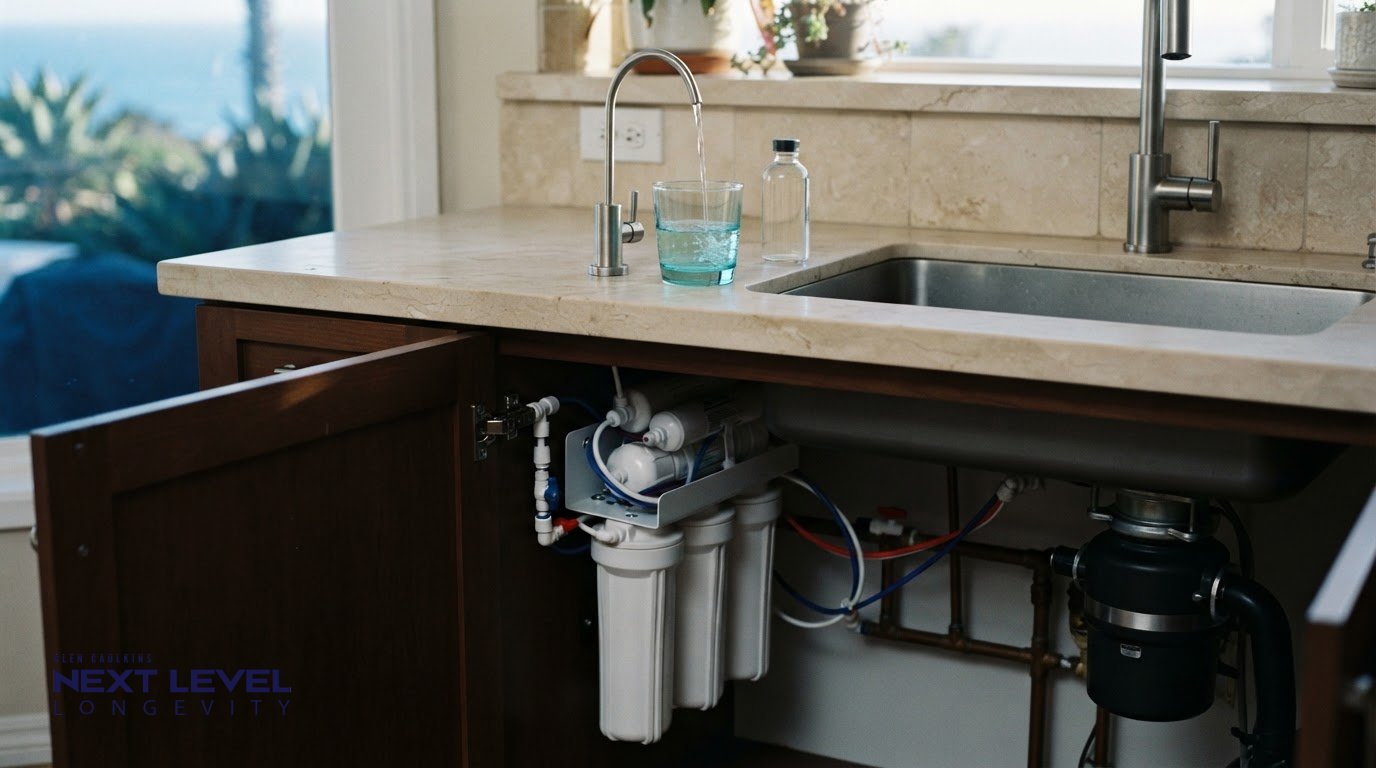
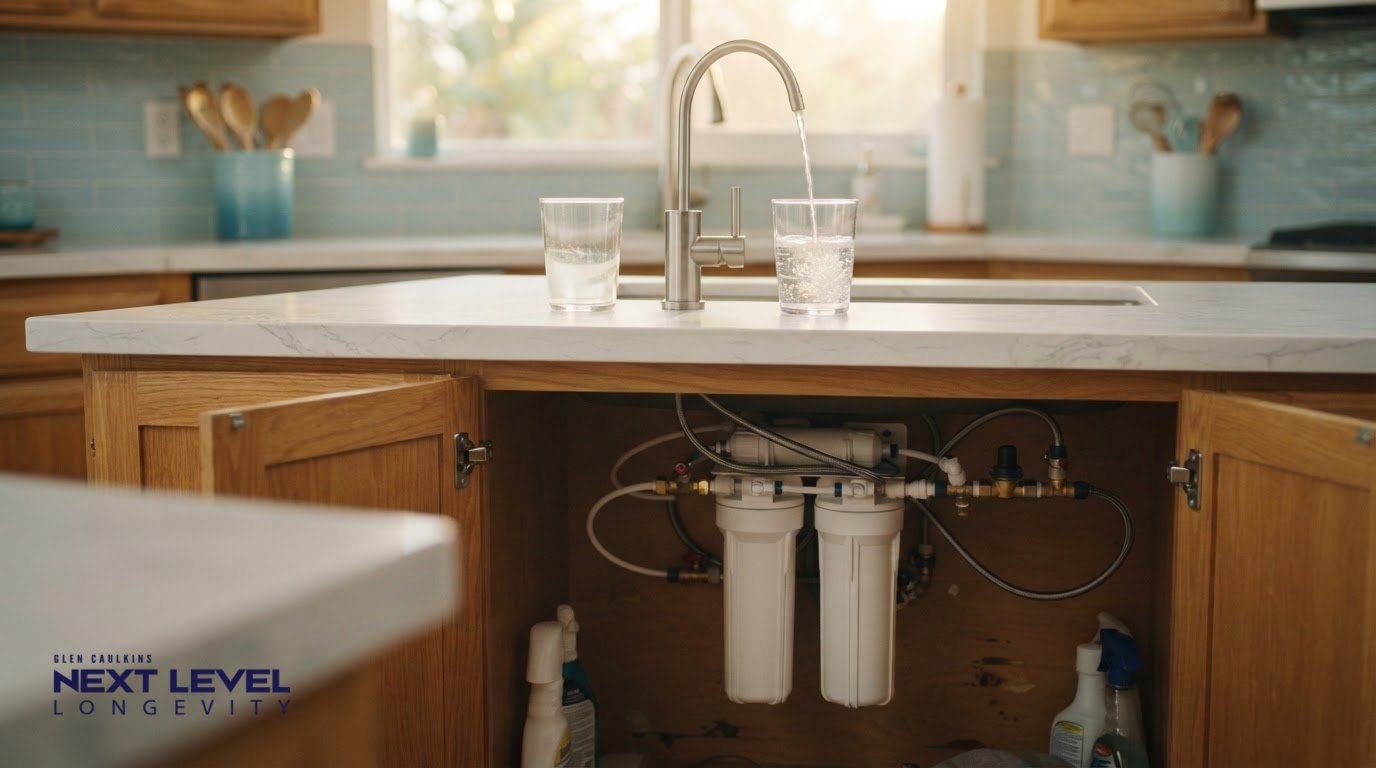
Laguna Beach water averages 14 grains per gallon of hardness, so choosing an under-sink water filter in Laguna Beach means considering more than taste. Match the filter to the substances you want it to reduce, the flow you need at the faucet, and the care its cartridges require. Ceramic cartridges need periodic cleaning and replacement, though the exact schedule depends on the filter and its use.
It’s reasonable to want clear answers before making room for a system beneath the sink. This guide explains what different filtration methods can remove, how installation and faucet connections work, and what affects everyday flow. It also covers filter and membrane maintenance, helping you weigh upkeep alongside performance. The goal is to find a practical fit for your water and household, not a one-size-fits-all answer.
Key Takeaways
- Choose filtration based on the specific substances you want to reduce, not taste alone.
- Check faucet access, under-sink space, water pressure, and connection needs before settling on a system.
- Expect flow to depend on the filter design and how much water the system is treating.
- Use the system’s maintenance guidance to plan cartridge care and replacement, including any membrane changes.
- Match an under-counter system to your kitchen’s drinking-water needs; a portable option may suit a different setup.
Filter and membrane replacement schedules
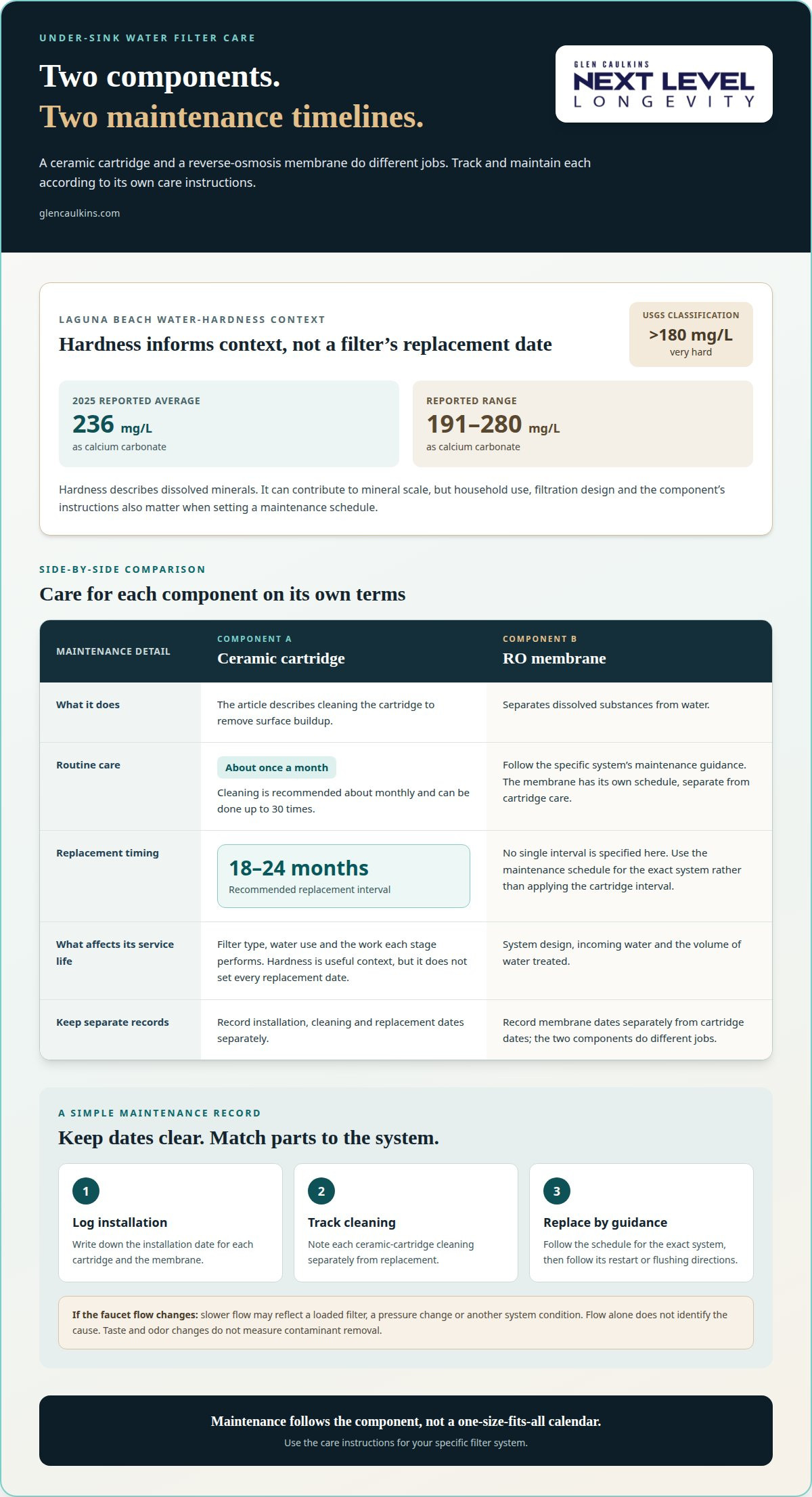
Replacement timing depends on filter type, water use, and the work each stage performs. Laguna Beach water hardness was reported in 2025 at an average of 236 mg/L as calcium carbonate, with a range of 191 to 280 mg/L. The U.S. Geological Survey classifies water with hardness above 180 mg/L as calcium carbonate as very hard. Hardness describes dissolved minerals, not the age or condition of a filter. It can, however, contribute to mineral scale in water systems.
Start with the cartridge maker’s care instructions, then keep a simple replacement record. Ceramic cartridges can be cleaned up to 30 times, and cleaning is recommended about once a month. A ceramic cartridge is recommended for replacement every 18 to 24 months. These are separate maintenance steps: cleaning removes surface buildup, while replacement renews the cartridge after its service life.
- Record the installation date for each cartridge.
- Note each cleaning date, especially for a ceramic cartridge.
- Replace the cartridge on its stated schedule, even if cleaning remains possible.
A reverse-osmosis membrane has its own maintenance schedule. It separates dissolved substances from water, so its service life depends on the system design, incoming water, and volume treated. Follow the specific system’s maintenance guidance rather than applying a cartridge interval to the membrane. Cartridges and membranes do different jobs, so one replacement date cannot stand in for both.
Changes in flow can point to a maintenance issue, but they don’t identify the cause on their own. A slower faucet stream may reflect a loaded filter, a pressure change, or another system condition. Compare it with the system’s usual flow and maintenance record. A sudden change after cartridge replacement may also indicate a fitting or installation issue. Taste and odor can change as filtration components age, but they don’t measure contaminant removal.
Build a schedule around the exact model and its replacement instructions. Record cartridge and membrane dates together, and track cleaning separately. If the system has several filter stages, identify each by its position or label. Replace the correct component, then follow the system’s restart or flushing directions. For Laguna Beach households, water hardness can provide useful context for maintenance, but it doesn’t determine every replacement date. Household use and filtration design matter too.
Plan replacement costs alongside the maintenance record, since the price of a set varies by configuration. Keep the configuration in your records so planned purchases match the system you maintain. Price is useful when budgeting for upkeep, but it doesn’t change the replacement interval recommended for a cartridge or membrane.
Use the system’s configuration and maintenance schedule together when budgeting for replacement parts. Don’t treat a set price as a reason to replace a component early or late. Keeping purchase planning separate from maintenance timing helps tie the schedule to the component’s instructions and the system’s needs.
Installation and faucet requirements
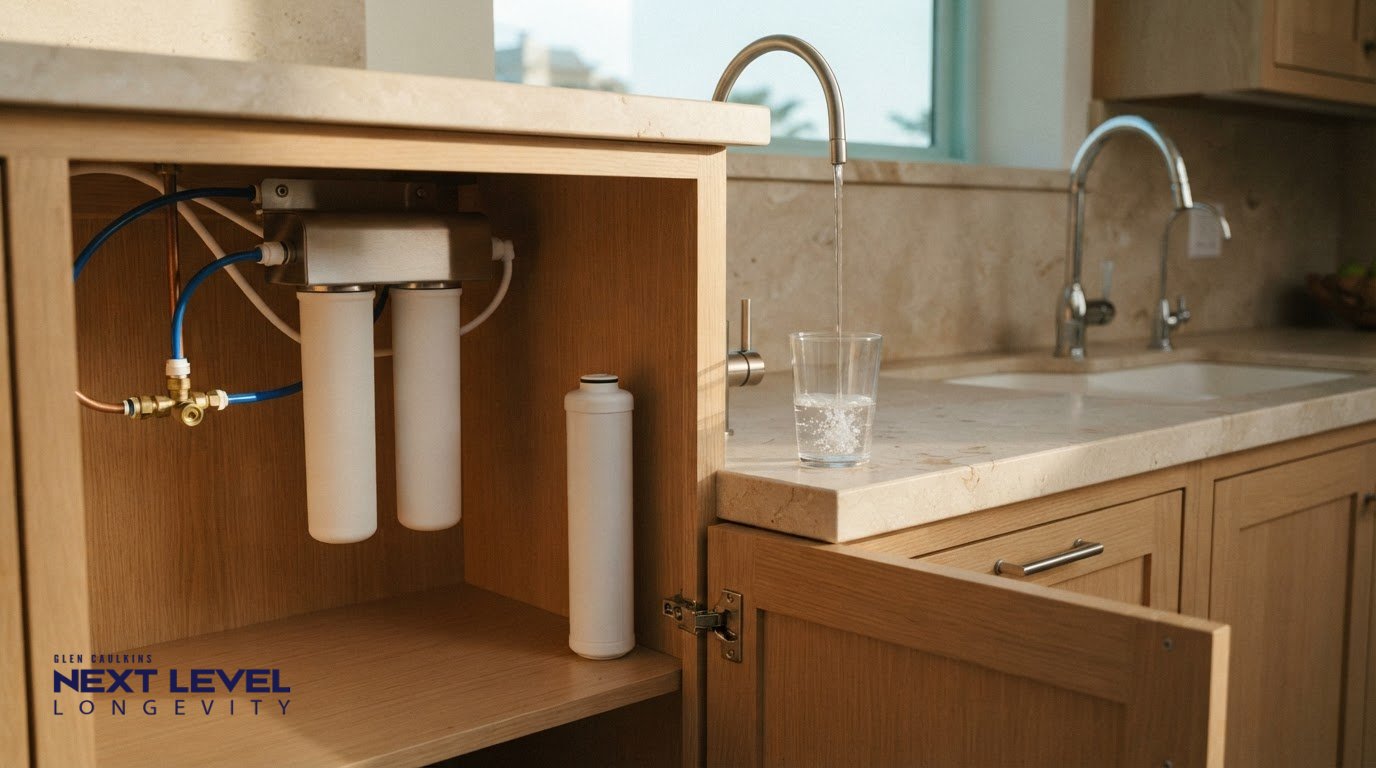
Installation depends on the filter design, plumbing connections, and space beneath the sink. The faucet arrangement also determines how filtered drinking water reaches the kitchen tap.
Installation Requirements
Start by identifying the cold-water supply, shutoff valve, drain access, and clear cabinet space. The system specifications provided for this guide list an operating pressure of 20 to 60 psi and a 1/4-inch connection. Those requirements help determine whether the plumbing and tubing can accommodate the unit.
Keep the system accessible after installation. A sharply bent tube can restrict flow, while stored items can hide fittings and make maintenance harder. Setup involves connecting the unit to the water supply, securing its tubing, checking joints for leaks, and following the system’s flushing directions before drinking the filtered water.
Faucet Requirements
Some under-sink filters connect to the existing kitchen faucet; others use a dedicated drinking-water faucet. A separate tap needs a suitable mounting opening in the sink or countertop. Position it so there’s room for ordinary sink use and the handle can move freely.
Compatibility with an existing faucet depends on its fittings and connection path. Pull-down sprayers and specialty fixtures may have different connections from simpler faucet lines. The system design determines how filtered water reaches the tap and whether a separate faucet is needed. Keep water connections accessible for later inspection.
Installation Costs
The cost of an under-sink filter and its installation in Laguna Beach varies with the equipment and work involved. Factors include the filter configuration, faucet arrangement, cabinet access, plumbing changes, and tubing route. Using existing connections differs from adding a faucet opening or altering plumbing.
When comparing estimates, separate equipment costs from labor and check which tasks each estimate covers. These may include mounting the unit, connecting tubing, checking for leaks, and initial flushing. Replacement cartridges and membranes are ongoing maintenance expenses, not installation work. The exact setup and plumbing conditions determine the total.
Local Installation Providers
Plumbers and water-treatment installers are the relevant provider categories for under-sink filter installation in Laguna Beach. The work depends on whether the system uses existing connections or needs faucet or plumbing changes.
Before installation, decide on the faucet arrangement, tubing route, and access needed for future filter changes. Leave shutoff valves and connections reachable. Once the system is connected, run it, inspect the fittings and faucet base for leaks, and follow its flushing directions before use.
Choosing an under-sink filter
The main under-sink options for a Laguna Beach kitchen include carbon filtration, ceramic filtration, and reverse osmosis. Each uses a different process. Choosing an under-sink water filter in Laguna Beach starts with matching its documented performance to your priorities, available space, and maintenance preferences.
Start with the reason for filtering. To change taste or odor, look for a filter with documented performance for those qualities. To reduce a particular contaminant, match it to the system’s specific performance evidence. A broad label such as “purification” doesn’t explain what a filter removes.
Carbon media traps certain compounds as water passes through its porous surface. Ceramic cartridges physically strain particles through fine pores; the cartridge described in this guide filters down to 0.5 microns. Reverse osmosis pushes water through a fine membrane to capture dissolved solids. These methods aren’t interchangeable. A system can combine stages, but each stage should have a clear purpose.
For reverse osmosis, consider both the membrane and the water sent to the drain. Even highly efficient systems send 20% of their water down the drain as wastewater. That trade-off matters if you want dissolved-solids reduction but also want to understand system water use. Consider the specific system’s wastewater handling and whether it fits beneath your sink.
Use this sequence to narrow the choice:
- List the taste, odor, or contaminant concern you want to address.
- Match each concern to a documented reduction claim for the exact filter model.
- Compare the system’s flow, cartridge changes, and membrane maintenance.
- Consider cabinet space, faucet access, tubing, and drain connections.
Plan for replacement before you buy. A multi-stage filter can have several distinct replacement parts, while reverse osmosis also uses a membrane. Read the maintenance schedule and identify the cartridges that fit the exact model. A ceramic cartridge’s cleaning routine differs from membrane replacement. Record installation dates so maintenance doesn’t rely on memory.
Finally, match the design to daily use. A kitchen system treats drinking and cooking water at one point of use, not every tap in the home. A household that often fills pots may value steady faucet flow; someone focused on a specific taste concern may prefer a simpler filtration approach. An under-sink water filter in Laguna Beach should suit the job you need done, including its reduction claims, upkeep, and water use.
Contaminant removal
Filter performance is specific to the contaminant and model. A label such as “carbon” or “reverse osmosis” describes a treatment method, not a complete list of what it removes. Start with the substance you want reduced, then check the exact system’s performance documentation. For example, a claim about chlorine doesn’t establish performance for lead, nitrate, or another substance.
Reverse osmosis forces water through a fine membrane that captures dissolved solids. Reverse-osmosis systems have salt rejection rates greater than 99%. That figure describes salt rejection, not removal of every possible contaminant. It also doesn’t replace the model’s specific performance claims. Compare the named substances in those claims with your actual filtration priorities before choosing a system.
Physical filtration works differently. The ceramic cartridge described for this system filters down to 0.5 microns. That measurement refers to particle size, not a universal guarantee against every dissolved chemical or microorganism. A pore-size figure alone cannot tell you which dissolved substances the cartridge reduces. Treat it as one specification to evaluate alongside the filter’s documented reduction claims.
Use a clear review sequence when comparing performance:
- Name the contaminant or water-quality characteristic you want addressed.
- Find that exact substance in the performance information for the specific model.
- Check whether the claim says “reduces” or “removes,” and note the stated scope.
- Match the claim to the filter stage responsible for that treatment.
The wording matters. “Reduces” means the amount is lowered under stated conditions, not that every trace disappears. “Removes” is a stronger claim that still needs a defined test scope. A result for one sample or configuration isn’t proof of performance in every home, at every cartridge age, or under every water condition. Maintenance matters too, because filtration depends on components being cared for as directed.
Reported water hardness in Laguna Beach describes a mineral characteristic, not contaminant removal. A filter’s ability to change hardness must be supported separately from claims about dissolved solids, particles, or taste. Keep these categories distinct when reviewing specifications. If a system combines a membrane with other stages, assess each stage’s stated role rather than assuming they all target the same substances.
For an under-sink filter in Laguna Beach, the practical decision is not simply which system claims the broadest coverage. Choose the model whose documented performance addresses your priorities, then consider its filtration method, flow, and maintenance together. That approach keeps a precise number, such as 0.5 microns or greater-than-99% salt rejection, in its proper context.
Flow rates
An under-sink filter’s flow depends on its design, incoming pressure, and maintenance. Drawbacks can include slower filtered-water flow, leaks at connections, and wastewater from reverse-osmosis systems.
Flow Rate Considerations
Flow rate measures how quickly filtered water reaches the faucet. The system figure provided here is a maximum of 0.5 gallons per minute. That value describes the system’s upper flow rate, not the speed of every pour in every home. Filter design, household pressure, and the amount of water being treated all shape the experience.
Consider the tasks you do at the sink. Filling a drinking glass is different from filling a large cooking pot. Lower flow may be fine for occasional drinking water but noticeable during meal preparation. Compare the rated flow with your daily use, and check whether filtered water comes from a dedicated faucet or the main kitchen tap.
Reduced Water Pressure
Pressure helps move water through the filter and its tubing. The operating-pressure range listed for this system is 20 to 60 psi. If household pressure is low, the filtered stream can feel slower. A clogged cartridge, kinked tube, or partly closed valve can also restrict flow, so inspect those points before assuming the filter itself is failing.
Changes in flow offer useful clues. If a dedicated faucet slows after months of ordinary use, a filter stage may need maintenance. If flow drops immediately after installation, a closed valve or bent line may be involved. Compare the stream with its previous flow, then follow the system’s maintenance and troubleshooting instructions.
Leaks are another practical concern. Water can escape from a loose fitting, damaged tube, or faucet connection. After installation or cartridge changes, run the system and check each connection for moisture. Keep the cabinet beneath the sink clear enough to see fittings and shutoff valves. Otherwise, stored items can hide a small leak.
Reverse-osmosis systems also send some incoming water to the drain as wastewater. That’s part of separating water through the membrane, not a leak. Consider this water use alongside the system’s purpose and your household’s priorities. Water quality and flow are related decisions, but a faster stream alone doesn’t indicate better filtration.
For a broader view of how filtration choices fit into water treatment, explore Glen’s water research and learning resources. Match the filter’s stated flow and operating range to your household’s use, then keep its tubing and connections accessible for routine checks.
Glen B. Caulkins: Under-Counter Water Revival System
The Under-Counter Water Revival System is a kitchen option for households seeking filtered drinking water at the sink. It uses reverse osmosis and dual deionization, then adds minerals such as magnesium and calcium bicarbonate. Glen B. Caulkins has a commercial interest in PristineHydro water-treatment products, including this system. Consider whether it suits your filtration priorities, cabinet space, faucet setup, and maintenance preferences. Replacement filters are available for ongoing care.
For portable use rather than a kitchen-sink setup, the Travel-Portable Water Revival System is a separate option. It’s a countertop unit that can move between homes, offices, and trips, using the same filter-then-remineralize approach. For a kitchen setup, explore the Under-Counter Water Revival System.
Choose the setup that fits your next step
The next decision is how you’ll use the system. Is your priority filtered water at the kitchen sink, a system you can take with you, or filtration elsewhere in the home? An under-sink water filter in Laguna Beach should suit a specific daily task, not just offer a list of features. Being clear about the purpose makes it easier to decide what matters and what can wait.
Glen B. Caulkins offers the Under-Counter Water Revival System for a kitchen setup and the Travel-Portable Water Revival System for portable use. For shower filtration, the Aqualux filter with head is an option, while the Ultimate Dual KDF inline filter works with an existing shower head. These products suit different settings, so choose based on where you want filtration.
If the Under-Counter Water Revival System suits your kitchen plans, explore PristineHydro’s water filtration offerings online or in the Laguna Woods store. Start with one clear question about the water you use every day.
Frequently Asked Questions
Does Laguna Beach tap water contain PFAS, lead, chlorine, or hard-water minerals?
Whether water at a particular tap contains PFAS, lead, or chlorine, and at what level, depends on the water and its distribution conditions. Consult your water utility’s report or obtain a laboratory test to assess composition. Hardness comes from dissolved minerals, but a general guide can’t determine what’s in an individual home’s water. This guide is not health advice and cannot determine water composition.
Which under-sink filters are certified to remove contaminants found in Laguna Beach water?
Certification applies to specific models and contaminant claims, not to a filtration method on its own. Labels such as reverse osmosis, carbon, or ultrafiltration don’t establish certification. The Under-Counter Water Revival System uses reverse osmosis and dual deionization, then adds minerals such as magnesium and calcium bicarbonate. To identify a certified option for a particular contaminant, match the exact model to a certification record that names that reduction claim.
How do reverse osmosis, carbon, and ultrafiltration under-sink filters compare?
Reverse osmosis uses a membrane to separate dissolved substances and sends some water to the drain. Carbon media can reduce certain compounds, depending on the filter and its documented performance. Ultrafiltration uses a membrane barrier for selected particles, but it isn’t interchangeable with reverse osmosis. Compare each model’s stated reduction claims and maintenance needs rather than assuming similar names mean similar results.
Can renters install an under-sink water filter in Laguna Beach, and are permits required?
Renters can consider an under-sink filter, but the installation method matters. A system requiring a new faucet opening or plumbing changes needs the property owner’s approval before work begins. Permit requirements depend on the proposed work and local rules, so don’t assume every filter installation has the same requirements. Clarify the connections and any sink modifications before choosing a setup.
How often should under-sink filters be replaced, and what do replacement cartridges cost?
Intervals vary by component and model. For the ceramic cartridge described in this guide, cleaning is recommended about once a month, up to 30 times, with replacement every 18 to 24 months. Membranes and other stages follow their own schedules. Cartridge costs depend on the exact model and replacement part; use the current product information for the matching filter rather than a generic estimate.
Frequently Asked Questions
Does Laguna Beach tap water contain PFAS, lead, chlorine, or hard-water minerals?
Which under-sink filters are certified to remove contaminants found in Laguna Beach water?
How do reverse osmosis, carbon, and ultrafiltration under-sink filters compare?
Can renters install an under-sink water filter in Laguna Beach, and are permits required?
How often should under-sink filters be replaced, and what do replacement cartridges cost?
More articles