Water Filter for Laguna Woods Apartments: Choose a Renter Fit
November 28, 2026 · 16 min read
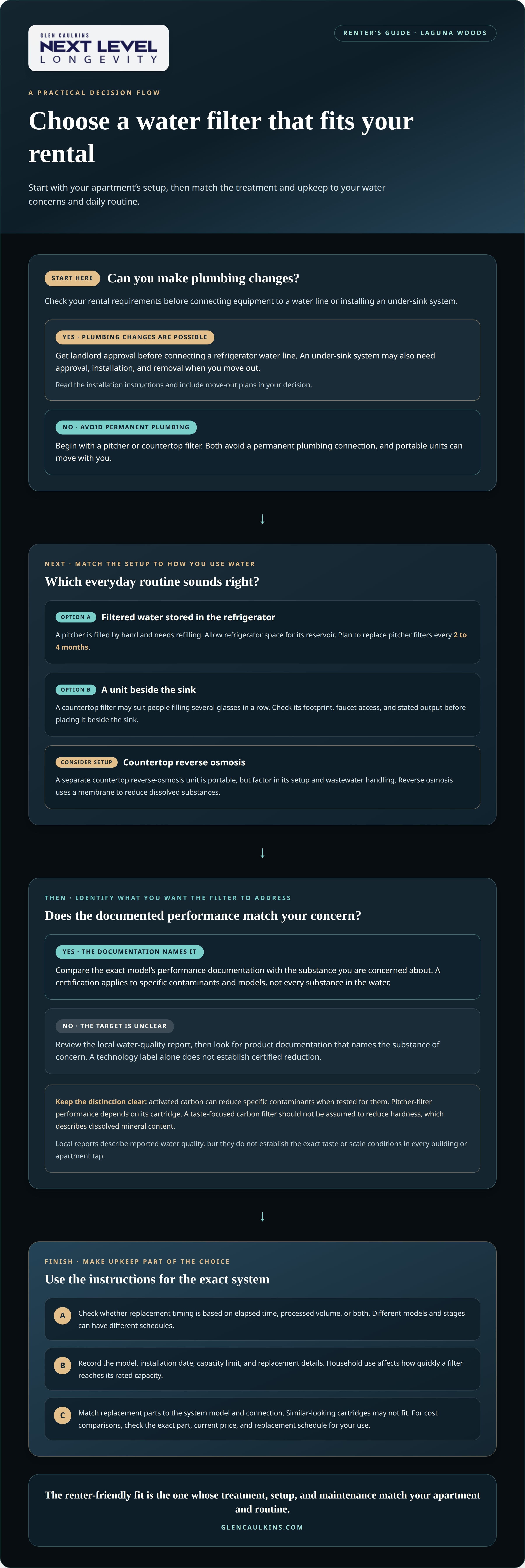
For renters choosing the best water filter for a Laguna Woods apartment, a pitcher or countertop filter is often the simplest starting point because it avoids permanent plumbing changes. Before attaching a filter to a refrigerator water line, get landlord approval. For pitcher filters, plan on replacement every 2 to 4 months.
The right choice depends on your apartment, water concerns, and willingness to maintain a filter. A portable unit can move with you, while an under-sink system may need landlord approval, installation, and removal when you move out. Reverse osmosis also involves specific setup and upkeep, so weigh those alongside the treatment you want.
This guide helps renters in Laguna Woods, Newport Beach, Costa Mesa, Laguna Beach, Carlsbad, and Irvine compare filter types, replacement routines, and local water information. It explains how to read water-quality reports without assuming every building or tap has identical conditions. Use these distinctions to narrow your options and choose a setup that fits your rental and everyday routine.
Key Takeaways
- A pitcher or countertop filter may be a practical choice if you want to avoid plumbing changes, while any change to a refrigerator’s water connection is worth discussing with your landlord first.
- Plan for regular upkeep: pitcher filters are recommended for replacement every 2 to 4 months, while other systems follow their own replacement schedules.
- Compare portable and water-line options by setup, daily use, and maintenance, then weigh reverse osmosis against your needs for a renter-friendly fit.
- Use Laguna Woods water-quality information to understand what is reported locally, and remember that hardness describes mineral content rather than a filter’s full performance.
- When choosing replacement filters, match them to the specific system so maintenance fits the equipment you use.
What is the Best Water Filter System for Renters?
For renters, pitcher and countertop filters are usually the simplest options because they need no permanent plumbing connection. A refrigerator water-line filter may require landlord approval before you move the appliance or connect equipment. The best water filter for a Laguna Woods apartment also depends on counter space, daily water use, and the contaminants you want the system to address.
A pitcher stores filtered water in the refrigerator but needs refilling. A countertop unit stays near the sink and may suit households that fill several glasses in a row. Check its footprint, faucet access, and stated output before setting it beside the sink. Keep it clear of cooking surfaces and places where cords or containers could be knocked over.
Reverse osmosis, activated carbon, and pitcher filters differ in treatment method and upkeep. Reverse osmosis uses a membrane to reduce dissolved substances; activated carbon can reduce specific contaminants when tested for them. Pitcher-filter performance depends on the cartridge. Costs vary by model and replacement needs, so compare those details instead of assuming one method is always less expensive.
A filter’s certification applies to specific contaminants and models, not every substance in Laguna Woods tap water. Read the local water report, then look for performance documentation that names the substance of concern. A broad technology label alone does not establish certified reduction.
A filter may improve taste or odor if its documented performance covers the compounds causing them. Limescale comes from dissolved minerals, so don’t assume a taste-focused carbon filter reduces hardness. Water quality can vary between buildings and taps; a local report does not establish the exact taste or scale conditions in each apartment.
| Option | Setup | Renter fit | Consider |
|---|---|---|---|
| Pitcher | Fill by hand | Easy to move | Reservoir space and upkeep |
| Countertop filter | Beside the sink | Portable | Footprint and output rate |
| Countertop reverse osmosis | Separate countertop unit | Portable | Setup and wastewater handling |
| Refrigerator-line filter | Water-line connection | Requires approval | Removal at move-out |
For any option, read the installation instructions before use. Keep the model information and replacement details together, especially if you move between apartments. Pitcher filters have a recommended replacement interval of 2 to 4 months; other models follow their own schedules. A reminder based on the manufacturer’s instructions helps prevent missed maintenance.
To choose the best water filter for a Laguna Woods apartment, match its documented purpose to your concern, then weigh setup and maintenance. A renter seeking minimal installation may prefer a pitcher; someone who wants a steady supply beside the sink may favor a countertop model. The best fit is the one whose requirements suit your apartment and daily routine.
Filter lifespan and replacement frequency
Filter maintenance depends on the model’s time limit, rated capacity, and household use. Gather those details before comparing ongoing upkeep.
Replacement Intervals
A replacement interval tells you when to change a filter under the maker’s stated conditions. It may be based on elapsed time, processed water volume, or both. Follow the instructions for the exact model: a pitcher cartridge, faucet filter, and reverse-osmosis membrane can have different schedules. Don’t apply one system’s interval to another.
Start a simple record when you install a new cartridge. Note the model, installation date, and any capacity limit in the product instructions. If the system has multiple stages, record each filter separately. A sediment stage and a carbon stage, for example, may have different replacement requirements. Follow each stage’s instructions rather than changing every component together by habit.
Usage affects how quickly a filter reaches its rated capacity. A household that fills bottles and cooks with filtered water may process more than one using it only for drinking. Treat changes in flow or taste as prompts to review the instructions, not proof that a filter has reached its limit. Other factors can also change water quality.
Capacity and Replacement Costs
Capacity is the volume a filter is designed to process before replacement. Compare the stated capacity with your household’s actual use. A larger capacity may mean fewer cartridge changes, while a smaller one may suit a lower-use setup. Capacity alone doesn’t establish filtration performance, so check the model’s documented purpose separately.
To estimate annual replacement spending, identify the exact replacement part, its current price, and how many the instructions call for over a year of your use. Include separate stages if the system requires them. This is more useful than comparing only the upfront cost of complete systems or assuming all cartridges cost the same.
Compatibility matters as much as the schedule. A replacement filter must match the system model and connection, not merely look similar. Keep the model name and part details with the original instructions. Before ordering, compare those details with the replacement listing to avoid buying a cartridge that won’t fit your equipment.
For renters, include move-out plans in your maintenance record. Keep reusable fittings and the system’s instructions together, and note which replacement parts stay with the unit. This makes routine care easier to continue after a move without relying on memory or another filter’s schedule.
Portable water filtration options for renters
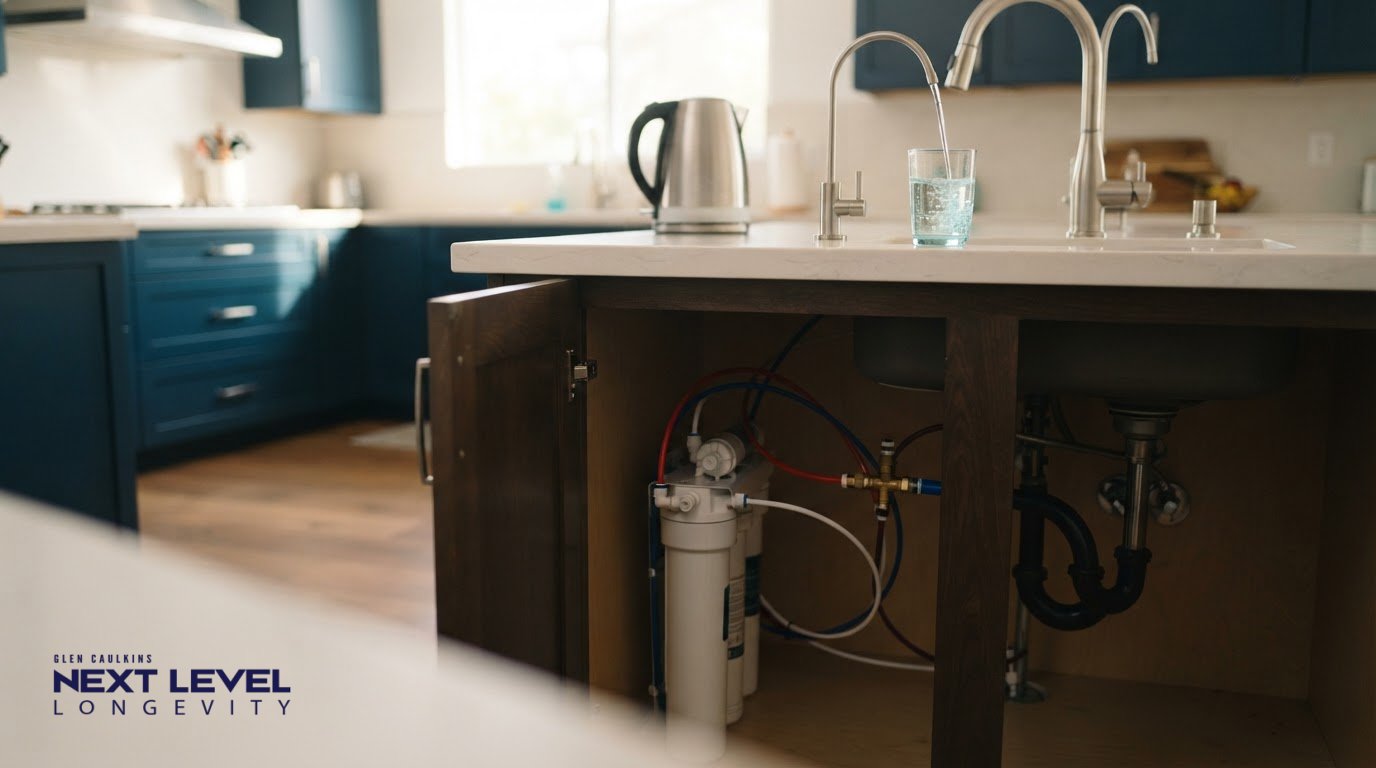
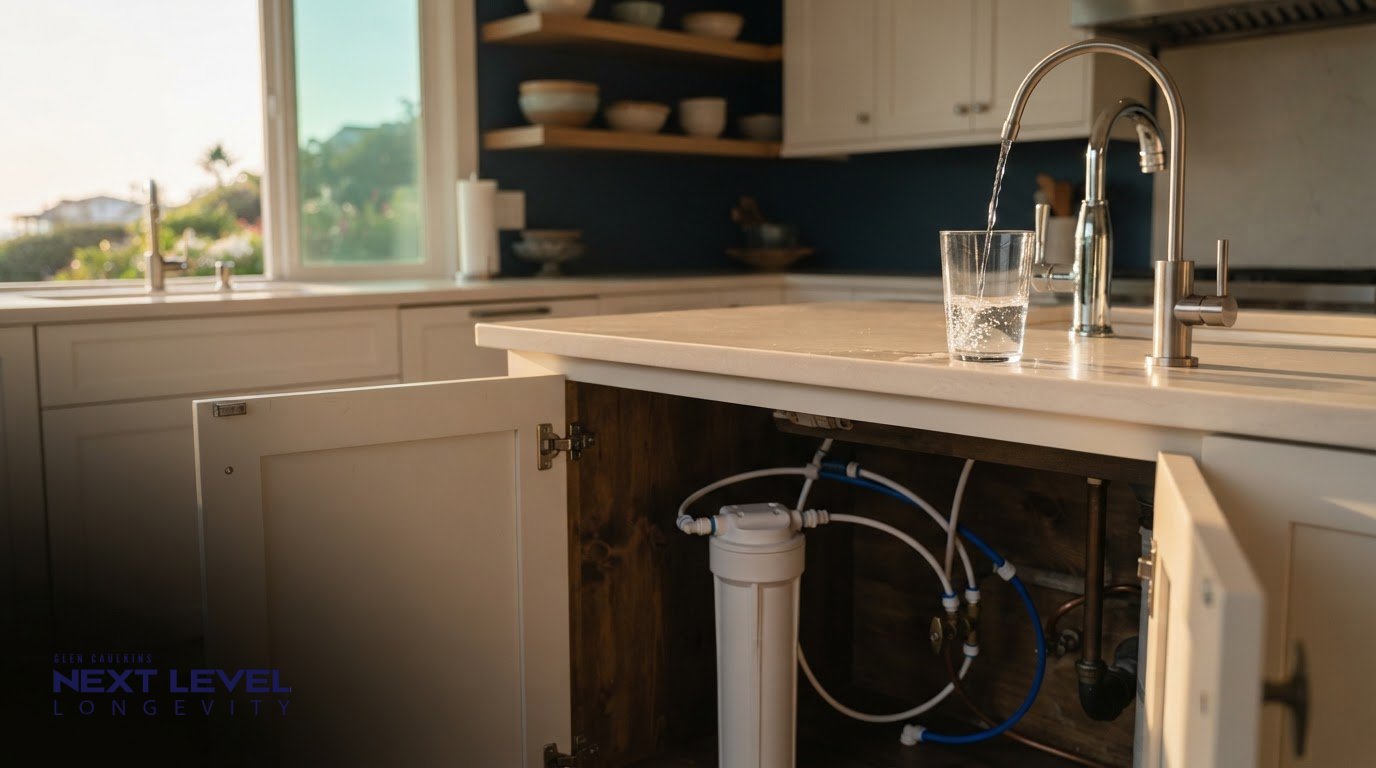
Portable filtration offers water treatment without permanent plumbing changes. Under-sink filters can provide direct faucet access, but need cabinet space, compatible connections, and permission before installation.
No single under-sink filter suits every apartment or budget. Purchase and replacement costs depend on system design, filter capacity, replacement interval, and installation parts. Compare these factors together rather than focusing only on the initial price.
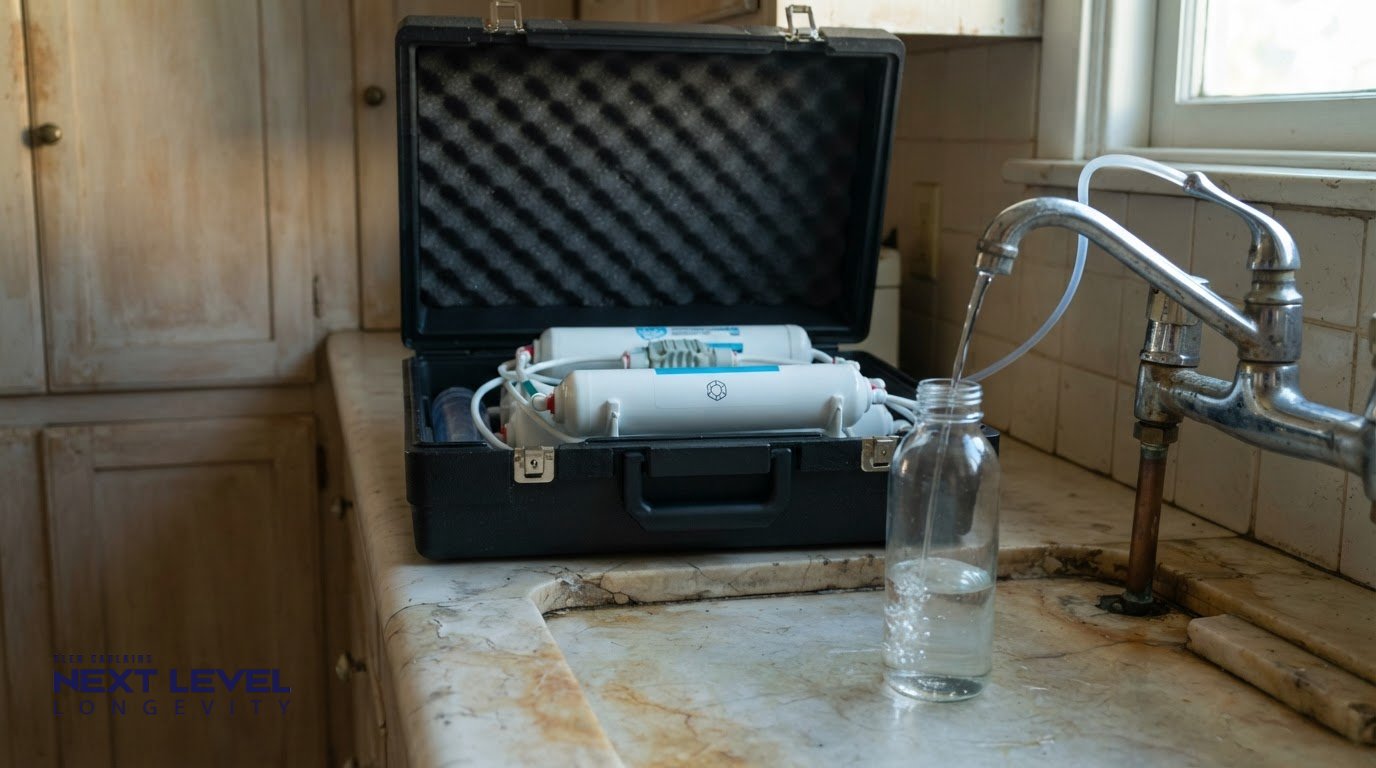
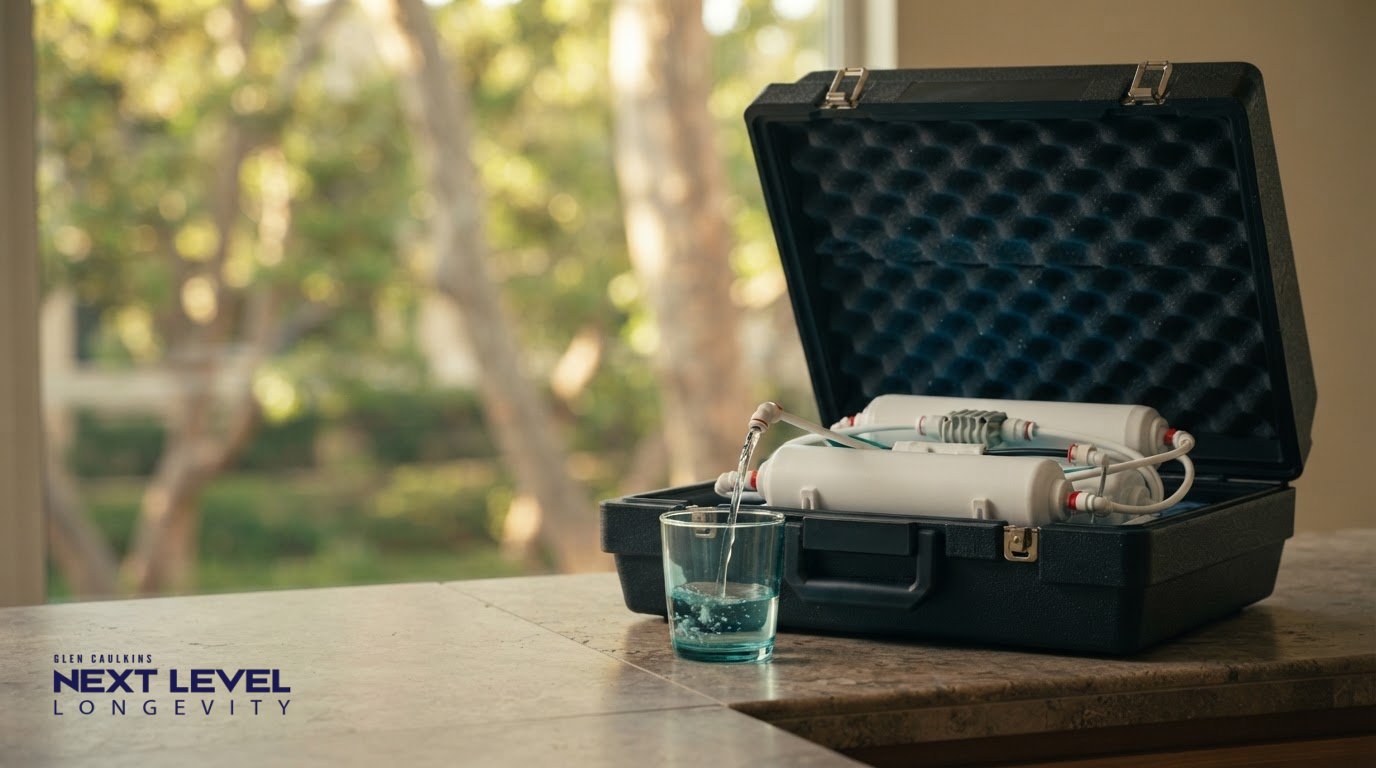
A pitcher, countertop unit, or portable bottle filter suits a different routine. A pitcher stores treated water in its reservoir, while a countertop system processes water beside the sink. A bottle filter travels with its user, but its limited capacity may not meet a household’s daily demand. Check the model’s stated capacity and filtration rate before choosing.
Filtration rate describes how quickly a system produces treated water. A slower unit may work for filling a glass but frustrate someone filling several bottles at once. Water-holding capacity matters too: a small pitcher reservoir needs frequent refills, while a countertop model may supply water directly from its treatment chamber. Compare both measures with your usual needs.
Hot and cold water need separate consideration. Many drinking-water filters connect to a cold-water supply or process water poured into them. Don’t assume a filter can handle hot water: heat may affect its materials or performance. Use only the temperature range stated in the instructions, and never route hot water through a filter designed for a cold supply.
Under-sink systems differ in how they connect. Some attach to a cold-water line and send filtered water to a separate faucet; others connect directly to the existing faucet. Both setups can require fittings beneath the sink, so measure cabinet space and identify the connection before choosing. A rental’s plumbing layout may limit compatibility.
Before installing an under-sink filter, get landlord approval for any change to the plumbing or sink. Keep removed parts together, avoid cutting pipes, and plan how to disconnect the unit when you move out. A countertop or pitcher filter avoids those installation steps, though it still needs a suitable surface and access to water.
- Choose a pitcher when chilled, stored water fits your routine.
- Choose a countertop unit when you want portable filtration near the sink.
- Consider under-sink filtration when direct faucet access matters and installation is allowed.
For any option, match the filter’s stated purpose to your water concern, then compare capacity, flow, temperature limits, and replacement requirements.
For an apartment, prioritize a model that fits the available cabinet space and plumbing connections, and get approval before installation. Compare the purchase cost with replacement intervals and installation-part costs. For a renter who wants to avoid plumbing changes, a countertop or pitcher option may be a simpler fit.
What is the source and hardness of tap water in Laguna Woods, California?
In a Laguna Woods apartment, identify the water supplier for your address before choosing a filter. The supplier’s current water-quality report can describe the source and treatment of water delivered to the community. Building plumbing adds another part of the picture between the service connection and your kitchen faucet.
Start with your water bill or property management information to identify the supplier. Find its latest report and look for source, treatment, and hardness information. A neighborhood or city name alone may not describe the water reaching every apartment, especially when buildings have different plumbing materials or maintenance histories.
Hardness refers mainly to dissolved calcium and magnesium. These minerals can leave scale on a kettle, faucet aerator, or shower screen as water evaporates. A white ring inside a kettle is a visible clue, but it can’t tell you the measured hardness or identify other substances in the water.
Water reports may express hardness in milligrams per liter as calcium carbonate or grains per gallon. These are different units for mineral concentration, so note the unit before comparing values. A report’s hardness result describes the water tested by the supplier; it doesn’t necessarily measure water from an individual apartment tap after it passes through building plumbing.
For a practical apartment check, collect cold water from the kitchen faucet in a clean container after briefly running the tap. A hardness test can help distinguish mineral scale from a taste or odor concern. It doesn’t assess every contaminant, and a hardness result alone can’t show whether a filter reduces a particular substance.
Keep the questions separate. Hardness concerns dissolved minerals. Taste and odor can have other causes, while contaminant reduction depends on the treatment method and its tested performance. Don’t assume a carbon filter designed for certain taste compounds softens water. A softener, in turn, isn’t automatically a drinking-water filter for every contaminant.
Use the results to define the problem before selecting equipment. If kettle scale is the main concern, focus on hardness and whether the chosen system addresses dissolved minerals. If the concern is a reported contaminant, match the filter’s performance claim to that specific substance. If the water changes only at one faucet, building plumbing may be relevant.
In a Laguna Woods rental, narrow the choice by identifying the supplier, reading its source and hardness information, and distinguishing community data from conditions at your own tap. This gives you a clearer basis for comparing filter methods without treating every apartment’s water as identical.
What contaminants are reported in Laguna Woods drinking water quality reports?
A drinking-water report describes the tested supply, not every kitchen tap in every apartment. In Laguna Woods, read the report from the supplier serving your address and distinguish listed contaminants from substances detected in a sample. A name in a table alone doesn’t tell you the level or whether a filter is useful.
Start with the report’s results table. Note the contaminant name, reported measurement, unit, and any comparison value shown. Keep these details together: comparing a result in one unit with a filter claim in another can lead to a mistaken conclusion. Check reporting periods too, since results from different periods may not describe the same sample.
Report categories may include inorganic substances such as arsenic and nitrate, disinfection byproducts, and microbial indicators. These are examples of terms you may encounter, not a claim that each appears in Laguna Woods water. Consider each entry separately. A nitrate result says nothing about another contaminant, and a general “carbon filter” label doesn’t establish reduction for either one.
PFAS require the same careful reading. According to the U.S. Geological Survey, a 2023 study estimated that at least 45% of U.S. tap water contains one or more PFAS compounds. That national estimate does not establish the presence or concentration of PFAS in a particular Laguna Woods apartment. Use the local supplier’s data for local context.
Match a filter’s documented performance to the exact contaminant and form named in the report. A claim about one substance doesn’t automatically apply to a related substance. Check whether the claim covers the whole filtration system or only one component, and whether it names the same measurement unit or test conditions. Don’t choose by broad terms such as “purifier” alone.
Utility testing has limits. A supplier’s sample describes water at its sampling point; building plumbing can affect water on its way to a faucet. If a report doesn’t explain an issue that appears only at one tap, the building’s plumbing may be a separate part of the investigation. A report and a filter label answer different questions.
Use this sequence: identify the supplier, locate the relevant report entry, record the result and unit, then compare that contaminant with a specific performance claim. This keeps national statistics, community results, and apartment-level concerns distinct. It also helps prevent choosing a filter based on a contaminant the report doesn’t establish.
For a broader look at how water composition shapes filtration decisions, explore water chemistry research.
PristineHydro: Replacement filters
Glen B. Caulkins offers replacement filters for renters maintaining a compatible filtration system. Match each replacement to the system model, since similar-looking filters may not fit or function the same way.
If you’re choosing a system as well as planning upkeep, the Under-Counter Water Revival System and Travel-Portable Water Revival System offer different residential and portable formats. The Aqualux filter with head is another option for its intended setup. Compare the system’s purpose and the replacement parts it requires before deciding.
When changing a filter, follow the model’s instructions and replacement schedule. This ties upkeep to your actual equipment rather than a general interval for another filter type. Glen B. Caulkins offers replacement filters; choose one that matches your system to secure the best water filter for Laguna Woods apartment living.
Choose the setup that fits your next chapter
A rental can be temporary, but your water routine becomes part of daily life. Consider what you want a system to do in your current apartment and whether you may take it with you when you move. Practical fit matters as much as filtration method.
PristineHydro offers the Under-Counter Water Revival System, Travel-Portable Water Revival System, and Aqualux filter with head. Each serves a different use. Consider which belongs in your living space and whether its setup suits your plans before choosing.
The best water filter for a Laguna Woods apartment is ultimately a considered match between your priorities and the equipment’s intended use. Explore PristineHydro’s offerings to take the next step at your own pace, with a clearer sense of what fits.
Frequently Asked Questions
What are the best countertop or faucet-mounted water filters for renters?
The best choice depends on your water concern, faucet design, and how you use filtered water. A countertop model suits renters who prefer a separate unit beside the sink. A faucet-mounted filter attaches to the faucet, so check that its connector fits and won’t interfere with a pull-down sprayer. Compare each model’s documented performance for the specific contaminant of interest. A filter category alone doesn’t establish what it reduces.
Do Laguna Woods apartment leases or HOA rules restrict faucet, countertop, or under-sink filter installation?
Rules depend on your lease, building policies, and any applicable HOA documents. A countertop unit beside the sink differs from equipment attached to a faucet or connected beneath the sink. Before connecting equipment or altering plumbing, review the relevant rental and building requirements and get written approval where needed. Keep approval and installation instructions with your move-in records so removal expectations are clear before you move out.
Which water filters can be installed without drilling or permanent plumbing changes?
Pitchers and pour-through countertop filters generally need no drilling or fixed plumbing connection. Some countertop systems connect temporarily to a faucet, so check faucet compatibility. A faucet-mounted filter also avoids drilling but attaches directly to the fixture. For any option, review setup instructions, counter-space needs, and water-temperature limits. “No drilling” describes installation, not filtration performance, so compare the model’s claims with your water concern.
How often do filters need replacement, and what are typical annual maintenance costs?
Replacement timing depends on the model’s stated schedule and capacity. Note the installation date, track processed water if the system provides a capacity limit, and follow whichever instruction applies first. To estimate annual maintenance, multiply the number of replacement filters needed in a year by their current per-filter price. The result depends on the model and household use, so a single typical cost would be misleading.
Which water filters are certified to reduce contaminants found in Laguna Woods tap water?
Choose a filter by matching its certification to both the model and the contaminant of concern. Check the local water report and the model’s performance documentation for that contaminant.
Does Laguna Woods tap water have taste, odor, or limescale issues that a filter can address?
Water quality can vary between buildings and taps, so taste, odor, and limescale conditions may differ by apartment. A filter may improve taste or odor if it targets the compounds causing them, but don’t assume a taste-focused carbon filter reduces hardness or limescale.
Frequently Asked Questions
What are the best countertop or faucet-mounted water filters for renters?
Do Laguna Woods apartment leases or HOA rules restrict faucet, countertop, or under-sink filter installation?
Which water filters can be installed without drilling or permanent plumbing changes?
How often do filters need replacement, and what are typical annual maintenance costs?
Which water filters are certified to reduce contaminants found in Laguna Woods tap water?
Does Laguna Woods tap water have taste, odor, or limescale issues that a filter can address?
More articles