How to Improve Tap Water Taste in Irvine With Filters
November 15, 2026 · 15 min read
A filter can improve tap water taste in Irvine, but the right choice depends on what is causing the unwanted flavor or odor. Chlorine, dissolved minerals, and household plumbing can all affect taste. To understand how to improve tap water taste in Irvine, first note whether the change is persistent, seasonal, or limited to one faucet.
A chlorine-like smell may call for a different treatment approach than a metallic taste or rotten-egg odor. Filtration can make water more pleasant, but a sudden or unusual change deserves investigation rather than simply being masked.
This article explains common reasons Irvine tap water may taste unpleasant and how carbon filtration, reverse osmosis, and other systems differ. You’ll learn when a refrigerator filter may be enough, when an under-counter system may better suit drinking and cooking, and how to match treatment to the concern.
Key Takeaways
- Notice the type and location of an off-taste, since those clues can help narrow down its likely cause.
- Carbon filtration and reverse osmosis treat water differently; the better fit depends on the taste issue and the water being treated.
- Water testing can help distinguish a taste preference from a concern that calls for further investigation, especially with a metallic flavor.
- A refrigerator filter may suit drinking water at one point of use, while an under-counter system serves a kitchen tap.
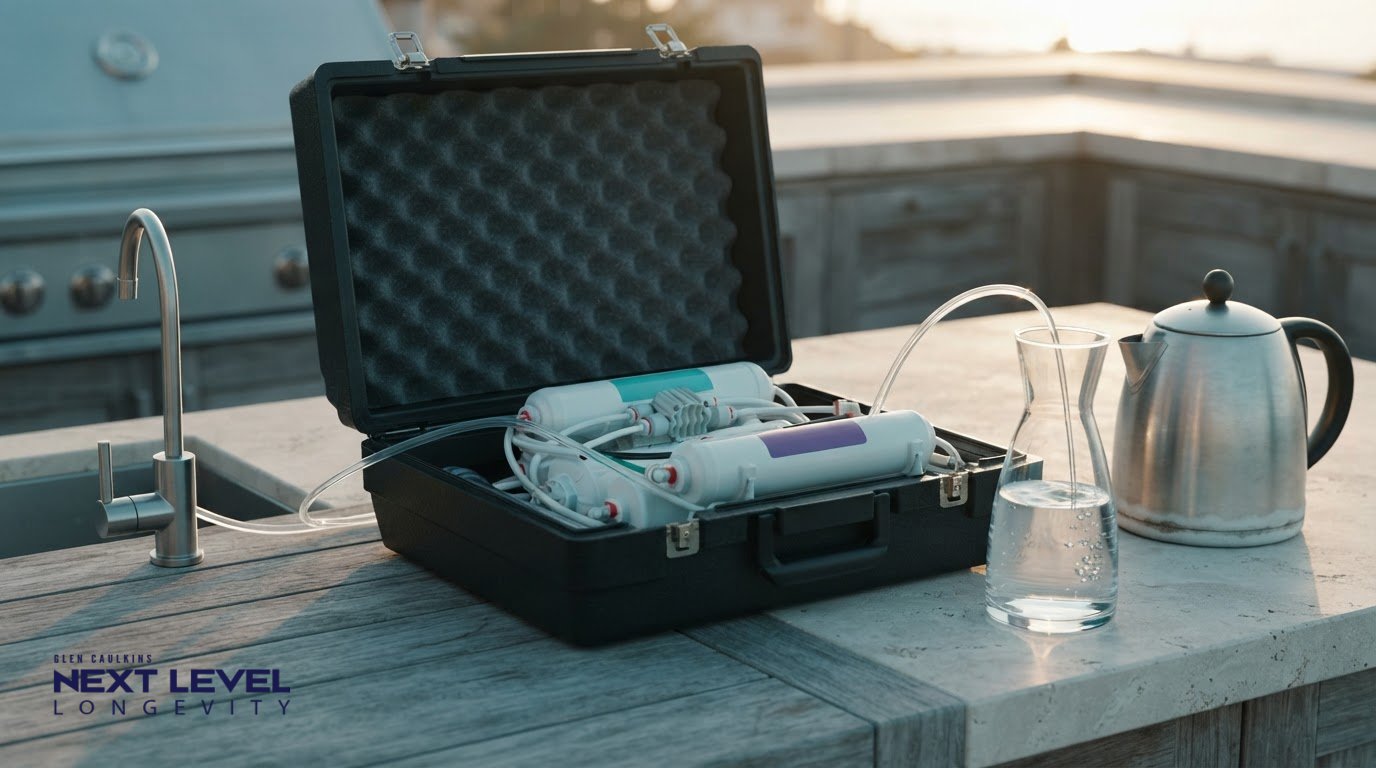
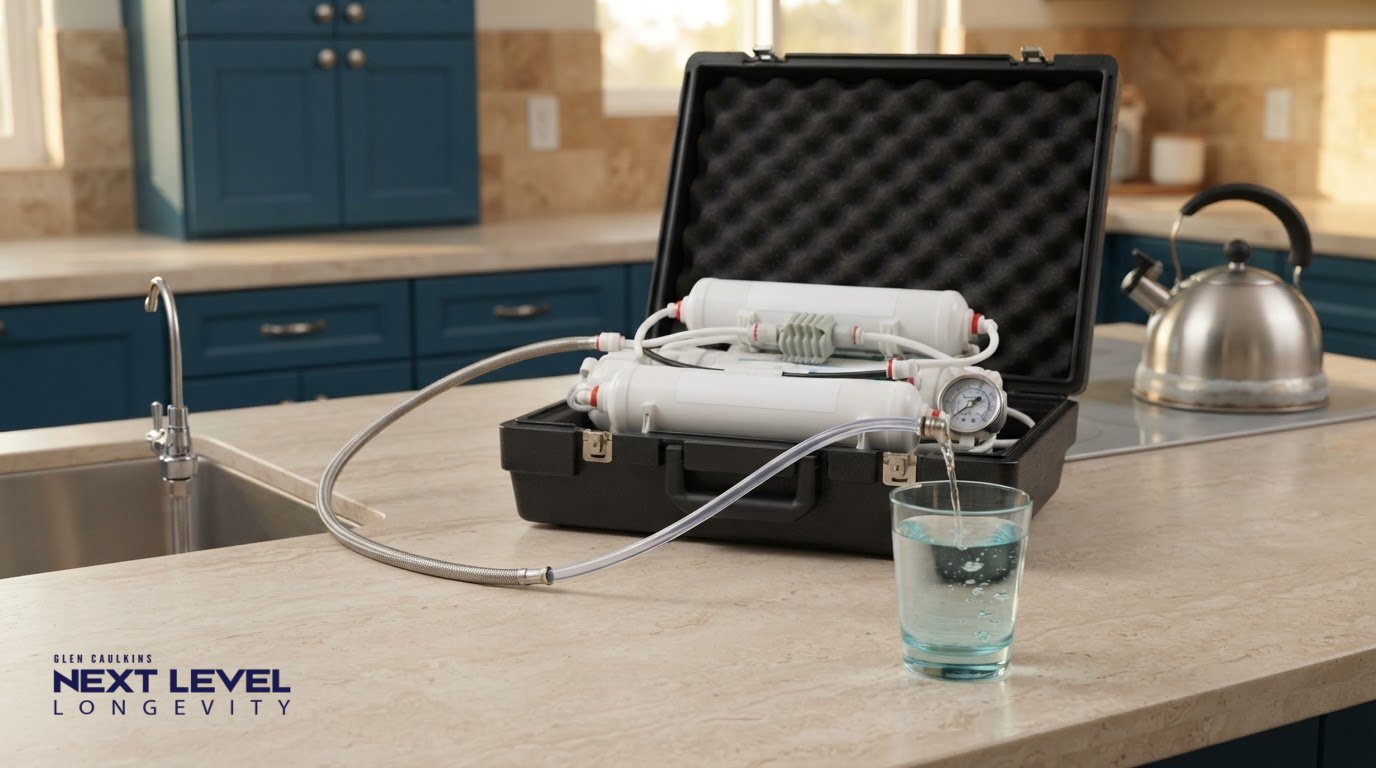
- PristineHydro’s Under-Counter Water Revival System and Travel-Portable Water Revival System offer options for different drinking-water setups.
Is reverse osmosis better than a refrigerator filter for taste?
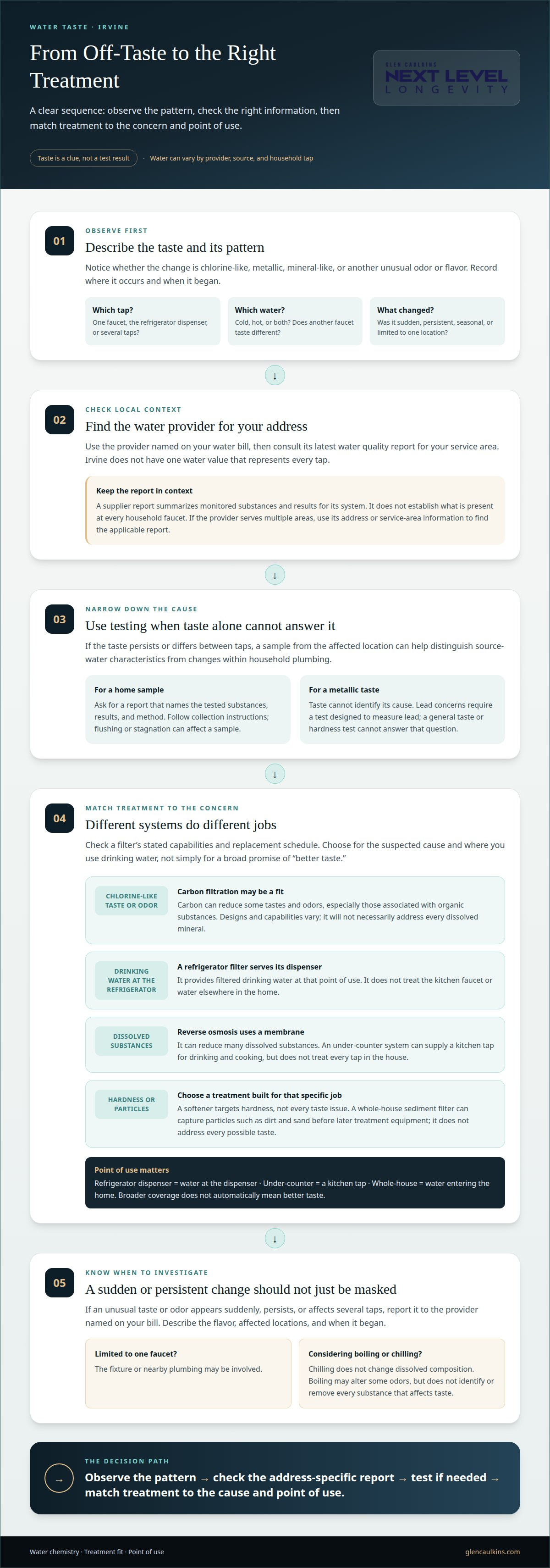
Neither option suits every taste concern. A refrigerator filter provides water at its dispenser, while an under-sink system treats water at a kitchen tap. The right fit depends on what you want to address and where you use drinking water. A filter’s stated capabilities and replacement schedule matter as much as its location.
For a specific Irvine address, find the water supplier on your bill. Its current water quality report describes the source water. Use the report that applies to your address rather than assuming one supplier or source serves every Irvine tap.
Carbon filtration can reduce some tastes and odors, especially those associated with organic substances. A refrigerator filter may use carbon, but designs and capabilities vary. Its practical advantage is access to filtered drinking water through the refrigerator dispenser. It does not treat water at every kitchen faucet or elsewhere in the home.
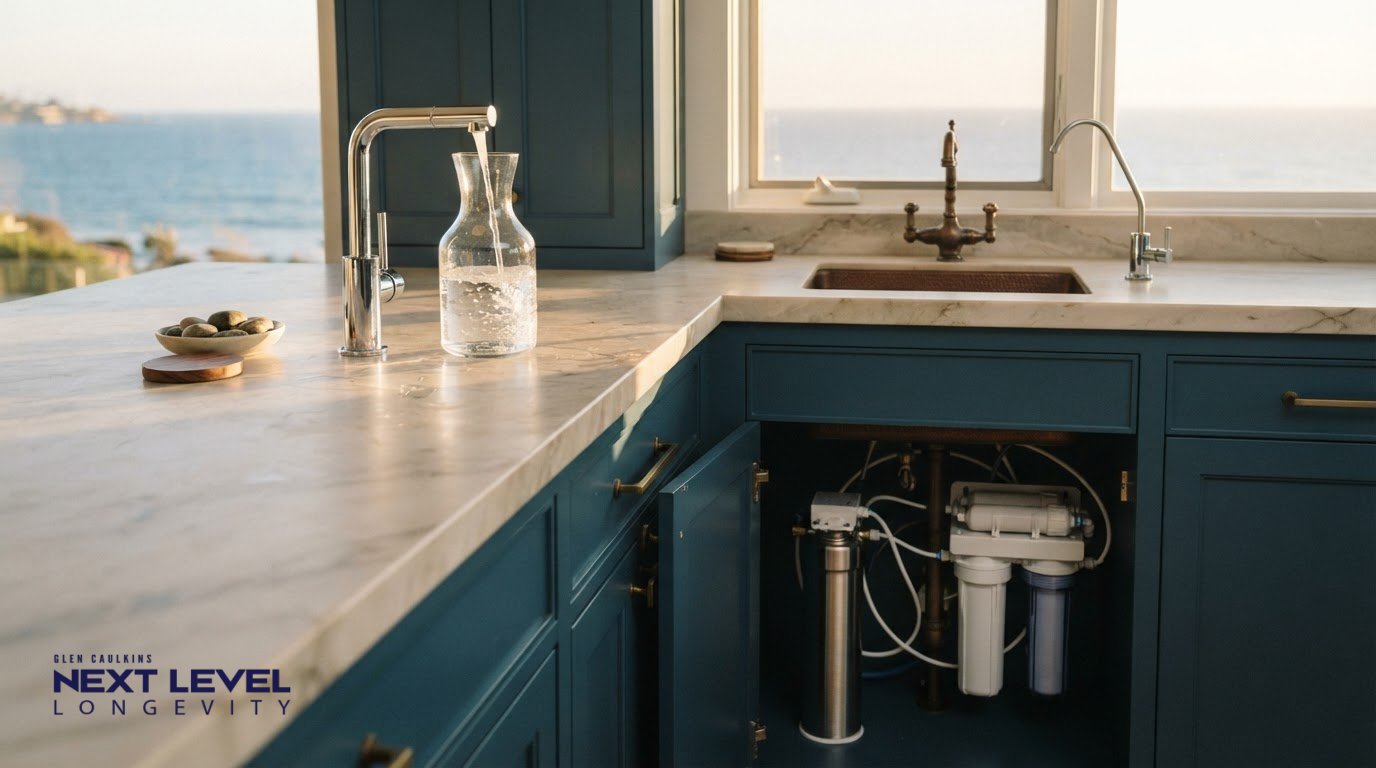
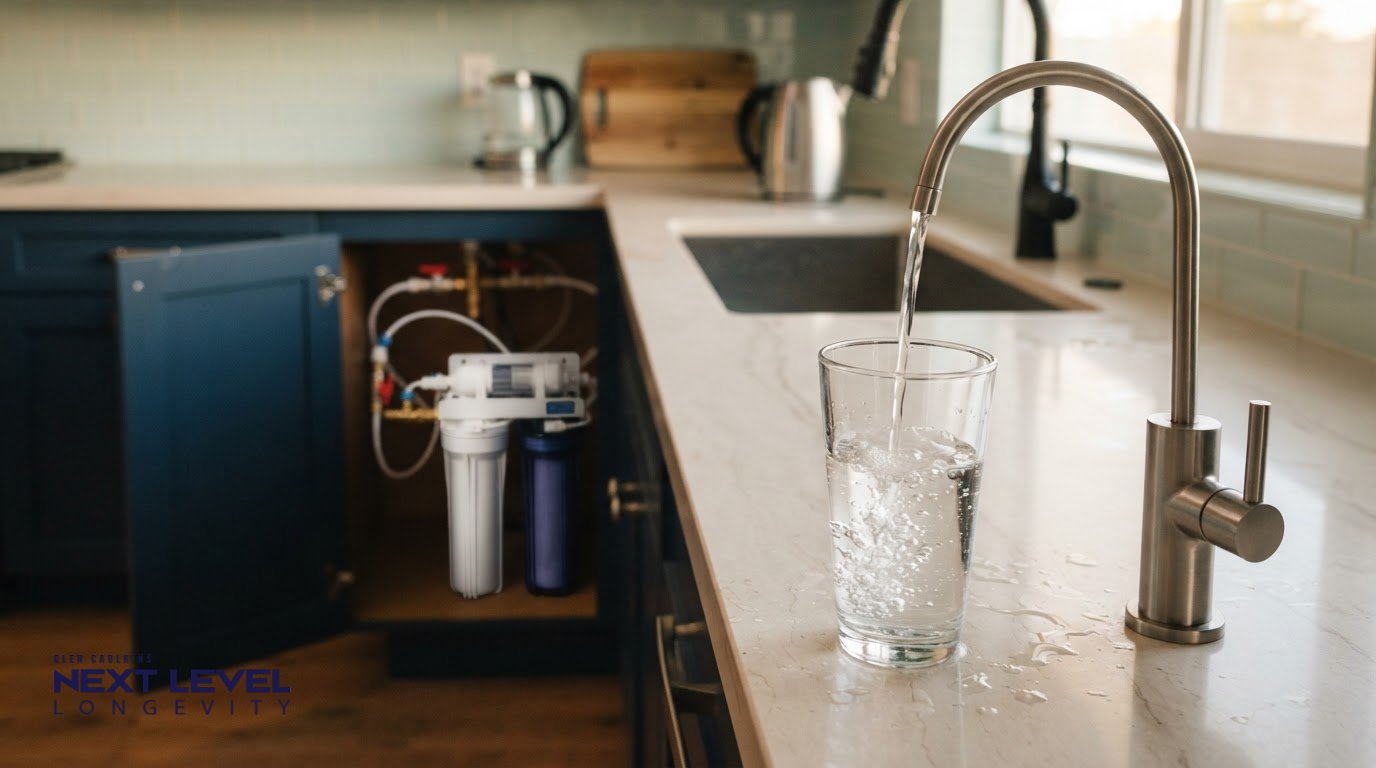
Reverse osmosis uses a membrane to reduce many dissolved substances, so it may suit concerns related to dissolved material. An under-sink system can supply a kitchen tap for drinking and cooking. It treats water at that point of use, not at every tap throughout the house.
Whole-house filtration serves a different purpose. A sediment filter can capture particles such as dirt and sand before water reaches later treatment equipment. Whole-house systems treat water entering the home, while kitchen filters focus on drinking and cooking. Choose based on where the concern occurs, not on the assumption that broader coverage automatically improves taste.
Boiling and chilling affect water differently. Refrigeration cools water but does not change its dissolved composition. Boiling may alter some odors, but it does not identify or remove every substance that affects taste. Handle hot water carefully to avoid scalds, and don’t use boiling as a substitute for investigating a sudden or persistent change.
If an unusual taste or odor appears suddenly, persists, or affects several taps, report it to the supplier named on your bill. Describe the flavor, affected locations, and when it began. A change limited to one faucet may involve its fixture or nearby plumbing. These details help distinguish a household pattern from a wider supply concern.
Match treatment to the point of use and suspected cause. A dispenser filter serves a refrigerator; an under-sink filter serves a kitchen tap. A whole-house sediment filter addresses particles entering the home, not every possible taste issue. The water report for your address provides useful context for choosing an approach.
How do I know which water treatment system is right for my home?
Start by noting the water’s pattern and testing for the suspected concern. Then match treatment to the results. A system designed for hardness may not address a metallic taste or chlorine-like odor.
Choosing Treatment Through Water Testing
Water testing measures properties or substances that taste alone cannot identify. Treatment works best when it targets a defined cause rather than a general impression. Compare the supplier’s report with a sample from your home if the taste persists or differs between taps. Testing can help distinguish source-water characteristics from changes within household plumbing.
Start at the tap where the taste is strongest. Note whether it affects cold water, hot water, or both, and whether another faucet tastes different. A supplier’s report describes water across its service system, while a home sample reflects a particular location and collection time. The results answer different questions. If testing identifies a concern, choose treatment rated for it, not simply for “bad taste.”
Hardness, Minerals, and Chlorine
Hardness describes water’s calcium and magnesium content; other dissolved minerals and disinfectants can also shape flavor. Irvine has no single hardness, mineral, or chlorine value that represents every tap, because service areas and sources can differ. Check the current report for the provider serving your address. This distinction matters before choosing a filter for scale, mineral taste, or disinfectant odor.
Minerals may create a dry or chalky impression, while chlorine can produce a swimming-pool-like smell or taste. A carbon filter may suit some chlorine-related taste concerns, but it won’t necessarily address every dissolved mineral. A softener targets hardness, not all taste issues. If testing shows no specific concern, the taste may instead relate to a faucet, plumbing, or drinking vessel.
Taste-Related Contaminants in Water Reports
A water quality report summarizes monitored substances and measured results for a supplier’s system. It can put a taste concern in context, but it does not establish what is present at every household faucet. For Irvine, use the latest report from the provider serving your address. Review results for minerals, disinfectants, and substances associated with odor or taste instead of assuming one report covers every neighborhood.
Find the provider’s name on your water bill, then search its official site for the latest water quality report or consumer confidence report. If it serves multiple areas, use its address lookup or service-area information to identify the applicable report. If a metallic taste persists, consider having the water tested, since taste alone cannot identify its cause.
Professional in-home testing can collect a sample at the affected faucet and help investigate household plumbing as well as incoming water. Ask for a report naming the tested substances, results, and method. Lead concerns require testing designed to measure lead; a general taste or hardness test cannot answer that question. Follow the sampler’s collection instructions, since flushing or stagnation can affect a sample.
Glen’s water chemistry research offers context for understanding how minerals and treatment shape finished drinking water.
Why does my tap water taste bad?
In Irvine, taste can reflect minerals, disinfectants, dissolved material, or household plumbing. The same flavor can have different causes, so taste alone cannot identify what is in a glass. Understanding how to improve tap water taste in Irvine starts with identifying the likely source.
Metallic Taste and Possible Minerals or Lead
A metallic taste can come from minerals such as copper, iron, or magnesium, and lead is another possible cause. Taste cannot distinguish these substances, so a metallic flavor calls for water testing rather than guesswork. Lead can have negative health effects, so a filter chosen only to improve flavor is not a substitute for determining whether lead is present.
Notice where the taste occurs. If cold water tastes metallic at one faucet but not another, nearby plumbing may be involved. If several taps share the taste, the source may be broader. These patterns help describe the problem but cannot confirm its cause. Testing can identify what is present in a sample.
Older home plumbing can also contribute to sweet-tasting water. A change after plumbing work, or a flavor limited to one tap, makes the home’s pipes and fixtures relevant to the investigation. Testing water from the affected faucet can help distinguish a household plumbing issue from characteristics shared across the supply.
Hard Water Minerals and Taste
Hard water contains calcium and magnesium, minerals that can affect flavor. Their presence may give water a mineral-like or chalky impression, although taste varies with the water’s overall composition. A system aimed at disinfectant taste may not change mineral flavor. Testing can show whether hardness is part of the picture.
Calcium and iron can sometimes make water taste sweet. That sweetness may affect familiar dishes, such as coffee or soup, because water is a major ingredient. Older plumbing can also contribute to sweet-tasting water. These possibilities have different causes, so sweetness alone cannot establish whether minerals, pipes, or both are involved.
Minerals can leave scale, a hard deposit, inside pipes, faucets, and appliances. Excess minerals may eventually clog pipes and reduce appliance life. A crusty faucet aerator, kettle, or shower fixture can signal mineral deposits, but it does not measure water composition. Hardness testing provides more useful evidence than appearance alone.
Total dissolved solids, or TDS, describes the combined amount of dissolved material in water. Naturally occurring minerals can contribute, as can organic matter such as decaying leaves, silt, and plankton. Runoff, industrial waste, and fertilizers are also possible sources. A TDS reading does not identify individual substances, so it cannot by itself explain a metallic or sweet flavor.
For households weighing treatment options, the practical distinction is whether the taste appears throughout the home or at one fixture. A sample from the affected tap can clarify whether testing should focus on minerals, metals, or plumbing.
Chlorine taste and odor
Chlorine is commonly used to disinfect drinking water. A pool-like smell or taste can come from disinfectant, but odor alone does not show a health threat. Start by checking whether the flavor appears at several cold-water taps or only in one glass. A broad pattern may point toward the supply, while a single-tap difference may involve the fixture, nearby plumbing, or cup.
Chloramine is another disinfectant used in water treatment. It forms when chlorine combines with ammonia, and its taste or odor may differ from chlorine alone. “Chlorine-like” describes a perception, not a chemical test result. A water quality report can identify the disinfectant used by the supplier. Testing a household sample can help investigate a persistent concern at a specific tap.
Carbon filtration can reduce some tastes and odors, especially those linked to organic substances. As water passes through, carbon’s porous surface captures certain compounds. This can make a carbon filter a reasonable option for some disinfectant-related flavor complaints. Effectiveness depends on the filter design and substances present. A change in taste does not establish how well a particular filter performs.
Compare the smell at different points before choosing treatment. Fill a clean glass from the kitchen tap, then compare it with water from another faucet. If both have a similar pool-like note, the issue may affect the household supply. If only one glass tastes unusual, wash the cup and try another. Dish soap residue can change water’s taste, so comparing glassware can prevent a filter from becoming the first guess.
Seasonal differences can also alter water’s taste. Temperature, water demand, source-water variation, and distribution conditions may all contribute. A taste that appears during a seasonal shift may not persist year-round. Note the date, affected taps, odor, and whether cold or hot water tastes different. These details make a report to the supplier more useful.
A sudden or persistent odor deserves attention, especially if several taps change together. Contact the water supplier for your address and describe the flavor, location, and timing. Mention if neighbors report the same change. If the smell occurs only at one faucet, investigate household plumbing or the fixture separately. Neither a chlorine-like smell nor a filter choice can identify every possible cause.
If testing links a taste issue to disinfectant or odor-producing compounds, carbon filtration may help at a drinking-water tap. A broader concern calls for a broader assessment. Matching treatment to the cause is more useful than assuming every unpleasant smell has the same origin.
Common causes of unpleasant tap water taste
A taste or odor can come from the water source, treatment, distribution pipes, household plumbing, or even the drinking cup. In Irvine, seasonal shifts in source water, temperature, demand, and distribution conditions may change how tap water tastes. A change does not automatically indicate a health threat, but its pattern can help narrow the cause.
Hydrogen sulfide creates a rotten-egg odor. If you notice it in water, note whether it occurs at one faucet or throughout the home. One affected fixture directs attention to local plumbing, while several affected taps suggest a broader issue. The odor alone cannot show where hydrogen sulfide entered the water, so record when it appears and describe it clearly.
Chloramines are disinfectants formed by combining chlorine with ammonia. Their taste or odor may be noticeable even when water looks clear. A water quality report can explain which disinfectant the supplier uses, while an unusual change at home may call for separate investigation. Don’t assume every chemical-like smell has the same cause.
Earthy or musty flavors have several possible sources. Total dissolved solids, or TDS, describes the combined amount of dissolved material, not the identity of each substance. Natural contributors may include decaying leaves, silt, and plankton. Sewage, runoff, and industrial wastewater can also contribute. A single TDS reading cannot explain the specific source of an earthy taste.
Sometimes the water is not the source of the flavor. A recently changed dish soap can leave residue on a glass or plate. A film or odor on freshly washed dishes can alter the next sip. Try a clean glass that has not been washed with the new soap, then compare water from another faucet. This simple check can distinguish a possible dishware effect from a taste that follows the water.
Seasonal variation can involve several factors. Source-water changes may coincide with shifts in temperature, household demand, or distribution conditions. Note the date, affected taps, and whether the water smells earthy, musty, or sulfur-like. If neighbors notice a similar change, mention that shared pattern to the water supplier. A taste description is useful evidence, but it cannot identify a contaminant by itself.
The cup matters, too. Its material, cleanliness, and lingering odors can change how water tastes. Compare a freshly washed glass with a clean stainless-steel cup, using water from the same tap. If the flavor changes with the vessel, investigate the cup or washing residue before selecting treatment. If the same taste follows the water across cups and faucets, the cause may lie elsewhere.
These clues help organize an investigation, but they do not replace testing if a taste change persists. Glen’s water research and educational articles explore how source, treatment, and finished-water composition connect.
Glen B. Caulkins
Glen B. Caulkins connects questions about water taste with water chemistry and treatment. He also has a commercial interest in PristineHydro products discussed here. Through PristineHydro, the Under-Counter Water Revival System and Travel-Portable Water Revival System serve different drinking-water setups, while the Aqualux filter with head is a shower-filtration option. These products address distinct uses; appropriate water testing remains important when identifying a taste concern. For a conversation about Glen’s work and your water questions, contact Glen B. Caulkins.
Make the next step a measured one
Treat taste as a clue, not a diagnosis. Note when the flavor appears, which taps are affected, and whether it changes with the glass or season. This record can help you decide whether testing, a plumbing investigation, or filtration deserves attention first.
For Irvine households considering how to improve tap water taste in Irvine, a measured approach can prevent choosing a system before understanding the cause. The goal is not simply to change the taste, but to find an approach that fits the water concern and how you use water at home.
If you’d like to discuss your water questions and possible next steps, contact Glen B. Caulkins. Start with the details you’ve noticed, and take the next step with care.
Frequently Asked Questions
Does Orange County water contain chlorine?
Chlorine is commonly used to disinfect public drinking water, but treatment varies by provider and service area. Orange County households don’t all receive water from one system, so the utility report for a particular address is the best guide. The report can identify the disinfectant used. A chlorine-like taste alone cannot confirm the disinfectant or its concentration.
What are the best ways to reduce chlorine taste and odor in tap water?
For a chlorine-like taste, a properly maintained carbon filter is a practical option because carbon can reduce some tastes and odors. Choose a filter whose stated treatment applies to the concern, and replace it according to its instructions. If the odor changes suddenly or persists across taps, describe it to the water provider before relying on filtration alone. This helps distinguish a taste preference from a wider water-quality question.
Do refrigerator filters, pitcher filters, or reverse osmosis work best for Irvine water?
There is no single best choice for every Irvine household; the right fit depends on the taste concern and filter performance. Refrigerator and pitcher filters can be convenient for drinking water, but their capabilities vary by model. Reverse osmosis treats water more broadly at a drinking-water tap. Compare each system’s documented treatment claims with your water report or test results, then consider where you need filtered water and how you’ll maintain the filter.
Frequently Asked Questions
Does Orange County water contain chlorine?
What are the best ways to reduce chlorine taste and odor in tap water?
Do refrigerator filters, pitcher filters, or reverse osmosis work best for Irvine water?
More articles