Irvine Tap Water Filters for Fluoride and THMs
October 31, 2026 · 15 min read
Irvine tap water has had 0 health-based violations since 2020, but that record doesn’t answer every household’s filtration question. For anyone considering an Irvine tap water filter, the key is matching the filter to a specific concern rather than assuming one system addresses everything. Irvine’s most recent water quality report measured fluoride at 0.6 ppm.
It’s reasonable to want clear answers about what comes from your tap and what a filter can change. This guide explains what Irvine’s water records report about drinking water, and how fluoride, hardness, chlorine taste, and trihalomethanes represent different filtration goals.
We’ll review reported water characteristics, explain why filter performance depends on the contaminant and treatment method, and outline practical options for drinking water. The goal is to help you choose based on the specific concern you want to address.
Key Takeaways
- Fluoride reduction depends on the filter technology, so match the system to that specific goal.
- Hard-water scale and chlorine taste point to different water concerns and may call for different treatment approaches.
- For trihalomethanes, focus on filter performance for those compounds rather than broad claims about filtration.
- Separate drinking-water treatment from whole-house softening when comparing installation needs and system scope.
- The Under-Counter Water Revival System is a kitchen drinking-water option to consider when you want a dedicated point-of-use system.
Fluoride in Irvine water
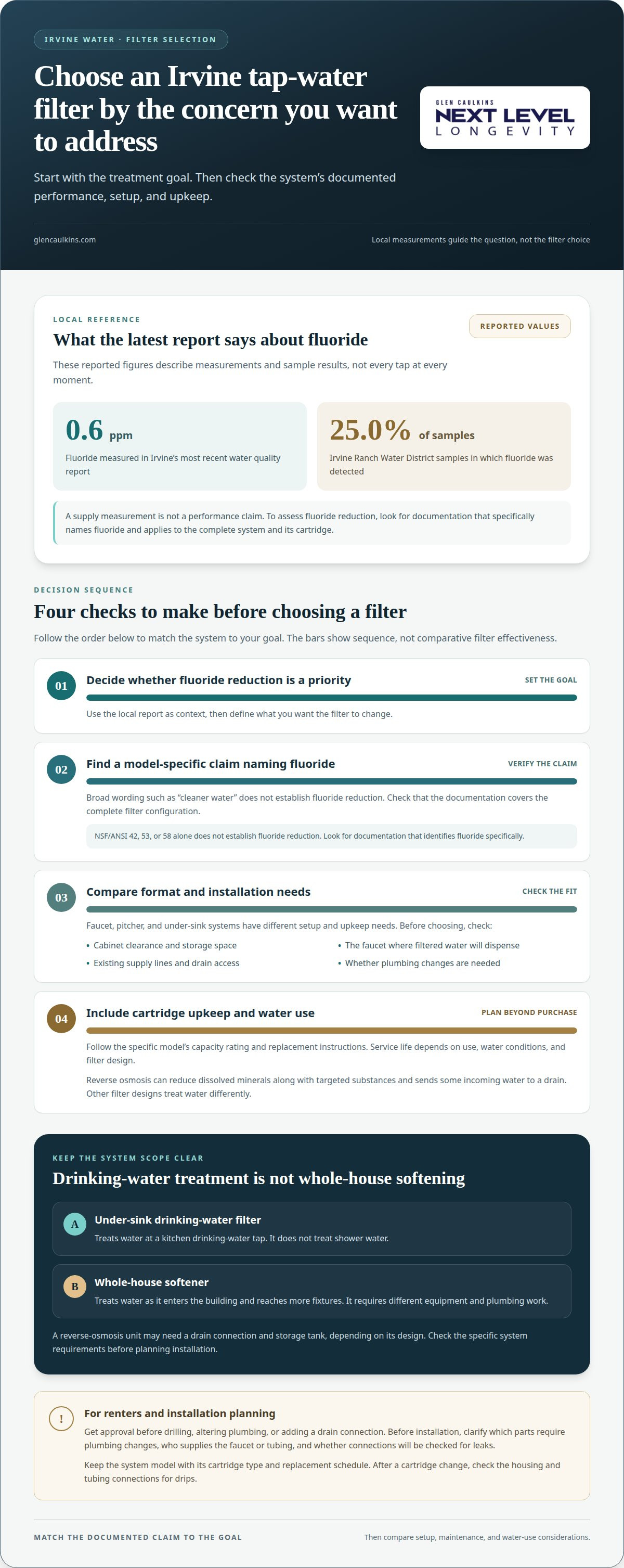
Irvine’s most recent water quality report measured fluoride at 0.6 ppm. Fluoride was detected in 25.0% of Irvine Ranch Water District samples. These figures describe reported measurements and sample results, not every tap at every moment. They give households a local reference when deciding whether fluoride reduction belongs among their filtration goals.
Start by separating the water report from the filter decision. A reported measurement describes the supply; a filter’s performance claim describes what its specific design is intended to reduce. For an Irvine tap water filter, look for documentation that names fluoride and applies to the complete system and the cartridge it uses. General phrases such as “cleaner water” don’t answer that specific question.
Do NSF/ANSI 42, 53, or 58 certifications matter when choosing an Irvine water filter? They can help, but the standard number alone doesn’t establish fluoride reduction. Check that the product’s performance documentation specifically identifies fluoride and applies to the complete filter configuration, rather than assuming a certification covers every contaminant.
How much do faucet, pitcher, under-sink, and reverse osmosis filters cost in Irvine? Prices vary by system type, installation needs, and replacement-cartridge requirements. Compare ongoing maintenance with the purchase cost: a pitcher cartridge, faucet attachment, and installed system have different upkeep and setup needs.
How often should Irvine residents replace water filter cartridges? Follow the capacity rating and replacement instructions for the specific model. Service life depends on use, water conditions, and filter design. Keep the model name with its replacement schedule so a similar-looking cartridge isn’t mistaken for a compatible part.
Can a water filter remove beneficial minerals or create water waste? Yes. Reverse osmosis can reduce dissolved minerals along with targeted substances, and sends some incoming water to a drain. Other filter designs treat water differently. Compare the treatment method, the substances named in performance claims, and the finished-water characteristics you prefer.
Use this sequence to narrow the choice:
- Decide whether fluoride reduction is a priority.
- Find a model-specific claim naming fluoride.
- Compare faucet, pitcher, and under-sink setup requirements.
- Include cartridge replacement and water-use considerations in your decision.
The reported 0.6 ppm and sample detection figure provide context, not a filter recommendation by themselves. Match the documented reduction claim to your goal, then consider format and upkeep. That makes the choice more specific than selecting a system by broad filtration language alone.
Local filtration-system installation and service
In Irvine, first decide whether you need treatment at one faucet or throughout the home. An under-sink filter treats water at a kitchen drinking-water tap. A whole-house softener treats water as it enters the building. These approaches require different equipment and plumbing work. A kitchen system won’t treat shower water, while a whole-house system reaches more fixtures.
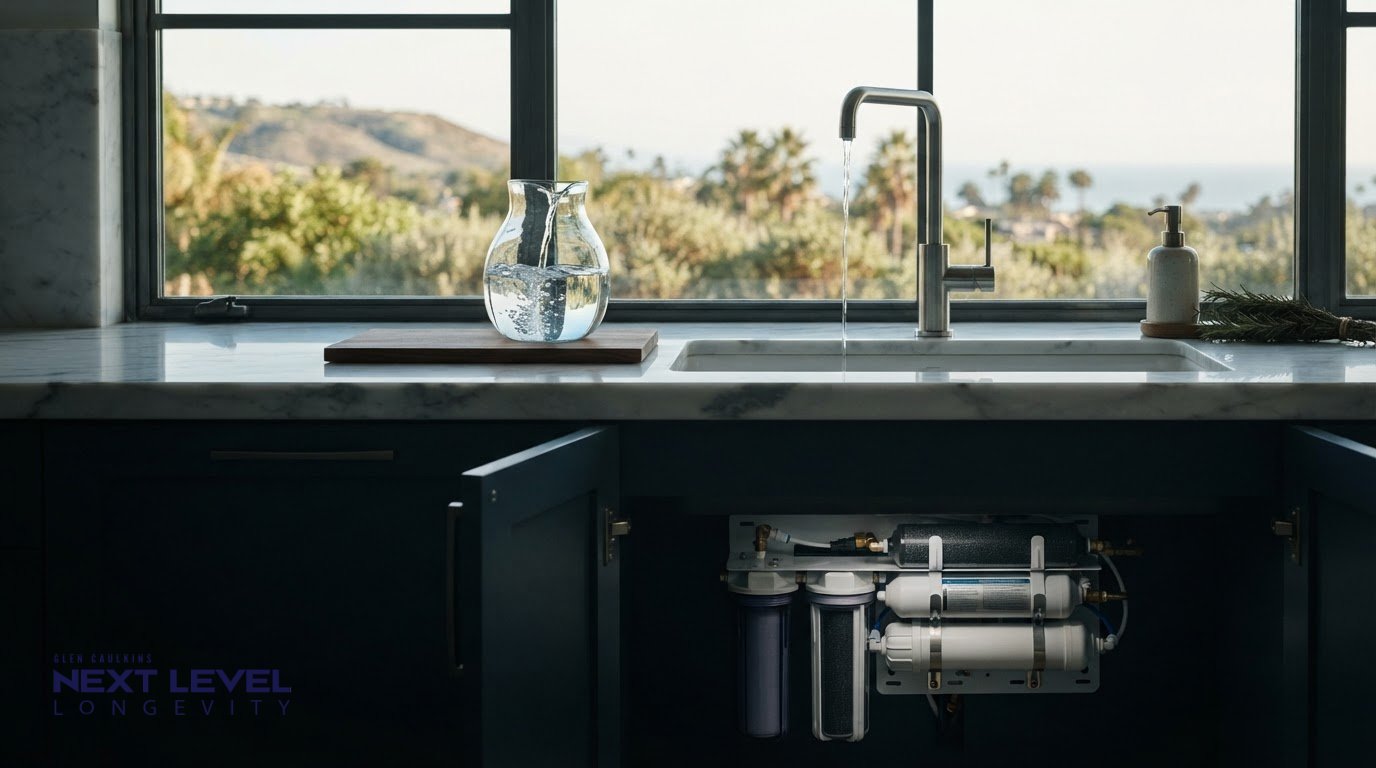
Before selecting equipment, map out the intended setup. Note cabinet space, faucet style, nearby supply lines, and whether a drain connection is needed. A reverse-osmosis unit may require a drain connection and storage tank, depending on its design. These details help determine whether the equipment fits and what installation involves.
Do renters need landlord approval to install an under-sink or reverse osmosis filter in Irvine? Get approval before drilling, altering plumbing, or adding a drain connection. A removable faucet-mounted filter may avoid some permanent changes, but lease and property rules still apply.
Prepare these details before comparing installation plans:
- Measure cabinet clearance around the sink and stored supplies.
- Identify the faucet where filtered water should be dispensed.
- Note existing plumbing connections and any available drain access.
- Describe the treatment goal, such as drinking-water taste or fluoride reduction.
Clarify the installation work, too. Ask which parts require plumbing changes, who supplies the faucet or tubing, and whether connections will be checked for leaks after setup. Limited cabinet space may affect equipment placement. A crowded sink cabinet can also make cartridge replacement awkward, even if the system fits.
Plan for routine upkeep as well as installation. Record the system model and cartridge type, then follow the manufacturer’s replacement instructions. After changing a cartridge, check the housing and tubing connections for drips. Keep the shutoff accessible so you can stop the water flow if maintenance reveals a leak.
For an Irvine home, define where treatment is needed, inspect the available space, and identify plumbing requirements. Renters should resolve permission before installation begins. Homeowners can use the same preparation to clarify the work and compare proposals. A clear outline of equipment, labor, and maintenance makes it easier to understand what installation includes.
Reported project costs vary with the equipment and work involved. One Irvine homeowner reported a cost of 5000 for an under-sink drinking-water filtration system and a whole-house salt-system softener. Another Irvine homeowner reported paying 3,200 for filtration, softening, and reverse osmosis installation.
A forum participant reported paying 1800 for water-softener and reverse-osmosis materials and installation. These individual reports describe different project combinations, so clarify which equipment and labor a proposal covers before comparing costs.
Signs of hard and chlorinated water
Hardness and disinfectants can leave different clues around an Irvine home. A chalky ring inside a kettle points to mineral deposits, while a chlorine-like odor from a glass suggests a taste or smell concern. Neither clue identifies every substance in the water. Treat them as separate observations, not one diagnosis or proof that a filter will address both.
Look for patterns in the kitchen and bathroom. Mineral scale may collect around a faucet aerator, on shower glass, or inside a kettle after repeated use. Soap may also feel harder to rinse away. A cloudy glass can simply show dried droplets, so compare several surfaces before drawing conclusions. Note where buildup appears and whether it returns after cleaning.
Try a practical inspection: clean one faucet aerator, rinse a kettle, and note where deposits return. Compare the kitchen sink with a bathroom tap. If you need a measured hardness result, use a water-hardness test on the tap you want to assess. That result describes hardness, not chlorine taste or a specific contaminant.
Chlorine odor is a separate sensory clue. Fill a clean glass at the kitchen tap and compare its smell with water from another household tap. Note whether the odor comes from one fixture or occurs throughout the home. Smell can change after water stands and cannot measure disinfectant concentration. Treat a sudden change as an observation, not a diagnosis.
Match each clue to its treatment purpose. A water softener is intended to address hardness throughout the home. A point-of-use drinking-water filter treats water at a selected faucet. Some carbon filters are designed to reduce chlorine taste or odor, but that claim doesn’t establish reduction of fluoride or trihalomethanes. Check the performance claim for the exact filter model.
A simple decision record can keep the choice focused:
- Write down whether the concern is scale, soap residue, taste, or odor.
- Record which fixtures show the pattern, such as the kettle or shower glass.
- Separate whole-home mineral buildup from drinking-water taste at one tap.
- Compare the treatment goal with the filter’s specific performance information.
For example, recurring scale on shower glass and a chlorine-like taste at the kitchen faucet are distinct observations that may call for different treatment choices. Identifying where and what you notice first helps avoid expecting one kitchen filter to solve every water concern in an Irvine home.
Trihalomethane contaminants and filter options
Irvine Ranch Water District reported two trihalomethanes in a sample dated October 6, 2025. Bromoform measured 1.83 PPB, and bromodichloromethane measured 5.09 PPB. These sample results identify compounds found in that measurement, not a concentration guaranteed at every Irvine tap. Trihalomethanes, often shortened to THMs, can form when disinfectants react with naturally occurring organic matter during water treatment.
What contaminants are found in Irvine, California tap water? Reported contaminants include bromoform and bromodichloromethane, along with other substances identified in local water records. These two trihalomethane measurements are specific examples, not a complete picture of every contaminant or every household’s water at all times.
For a filter intended to reduce trihalomethanes, look for a performance claim that names trihalomethanes or the specific compound of concern. Some drinking-water filters use activated carbon to adsorb certain chemicals, meaning the compounds attach to the filter media. Performance depends on system design, media, water flow, and cartridge condition. A broad claim such as “improves water quality” doesn’t show which trihalomethanes the filter reduces.
NSF/ANSI 53 certification is a useful point to examine for a filter intended to reduce trihalomethanes. Check the specific certified reduction claim, since a standard number alone doesn’t establish that a system reduces every THM. The named contaminant, tested system configuration, and replacement cartridge should match the product you’re considering.
Use this quick comparison when reviewing product information:
- Find the exact THM or compound named in the performance claim.
- Match the claim to the complete system, not just one filter material.
- Review the cartridge capacity and replacement instructions.
- Distinguish chlorine taste claims from THM-reduction claims.
That distinction matters: chlorine can affect taste and odor, while trihalomethane reduction is a separate performance question. Don’t assume a filter that addresses chlorine taste also reduces bromoform or bromodichloromethane. Check the manufacturer’s performance documentation for the relevant compound and model.
Maintenance affects the result. A cartridge that has reached its rated capacity may not perform as intended. Follow the system’s replacement instructions and use a cartridge designed for that model. For Irvine households comparing options, the clearest decision starts with the October 6, 2025 sample measurements, then narrows to documented reduction claims for the THMs of interest.
Irvine tap-water safety
Irvine tap water comes from disinfected local groundwater blended with imported supply. Irvine Ranch Water District has recorded 0 health-based violations since 2020. Its latest sample on file was from Oct 2025. These facts describe the district’s system and reported monitoring, not every home’s plumbing.
Lead results offer another useful distinction. The district’s 90th-percentile lead result was 0 ppb for the monitoring period January 1, 2023-December 31, 2025. The EPA lead action level referenced for Irvine water is 15 ppb. A system-wide result and a sample from one household tap answer different questions.
Where can Irvine residents get tap water tested for lead or other contaminants? Start with Irvine Ranch Water District’s water-quality information for system-wide results. For a household-specific answer, arrange tap sampling through a drinking-water laboratory and follow its collection instructions.
Other reported findings need context. EPA UCMR 5 testing measured lithium up to 67.2 µg/L during 2023-2026, above EPA’s 10 µg/L health reference level. Irvine’s water report lists 2 contaminants above EPA MCLGs. Those goals are distinct from enforceable limits, so the reported count should not be read as a count of health-based violations.
Environmental Working Group detected 19 contaminants in Irvine tap water at levels above its recommended guidelines. That comparison uses its own recommendations; it does not mean those findings are equivalent to regulatory violations. Irvine Ranch Water District also has 229 water-quality results on file and 23 PFAS compounds on record.
Before collecting a household sample, define what you want to know. For lead concerns, collect from the tap used for drinking or cooking. A broader contaminant check requires naming the substances of interest, since laboratories use different methods for different compounds. Follow the laboratory’s instructions on flushing, containers, and sample delivery. Careful collection helps make the result useful.
Six contaminants were detected in some district samples without a level on file, despite having an EPA health goal. This illustrates why detection, concentration, and health standards are separate pieces of information. A detection alone doesn’t establish the amount at a particular home, and a system-level report can’t describe household plumbing conditions.
Use water-quality records to understand the district’s supply, then use a tap-specific test to answer a household question. To explore how water composition and treatment relate, read Glen’s water research.
Glen B. Caulkins: Under-Counter Water Revival System
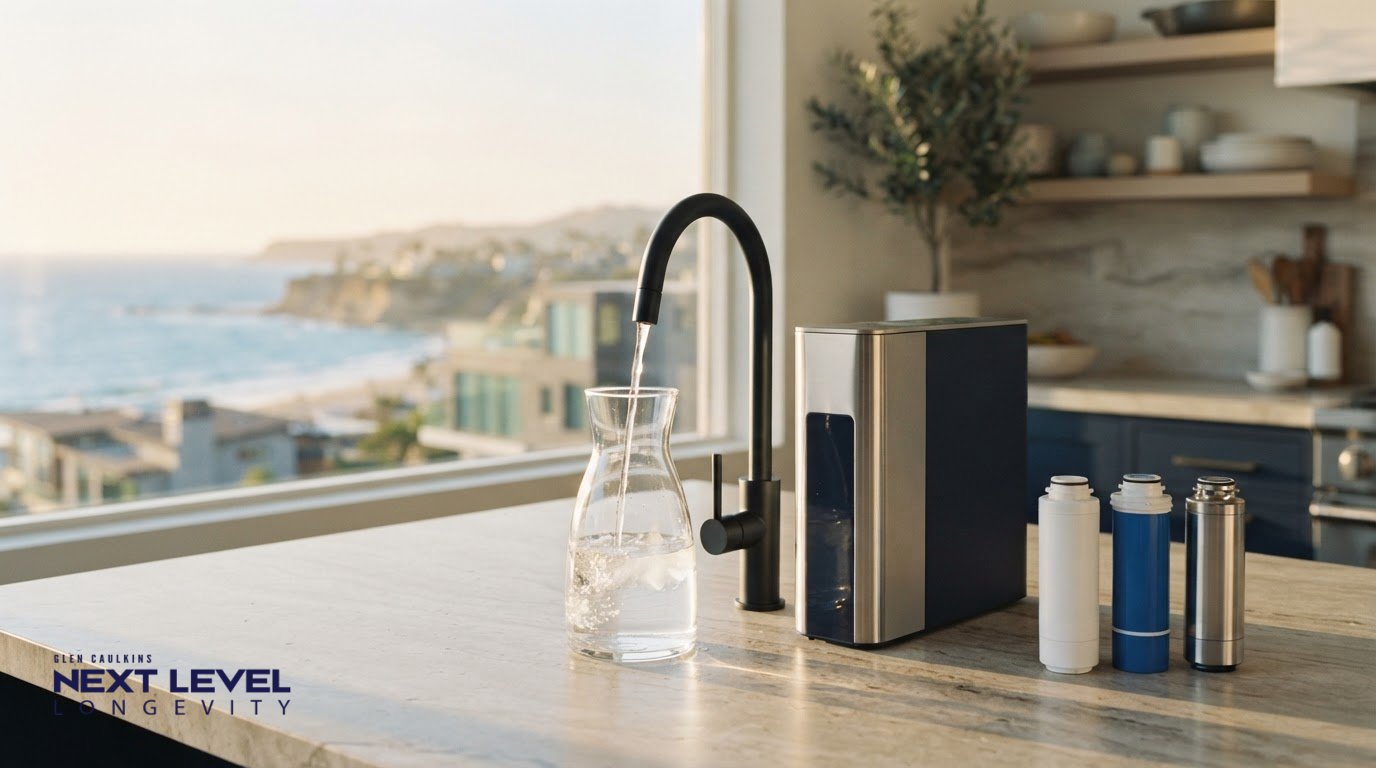
Glen B. Caulkins’s Under-Counter Water Revival System is an option for households seeking a dedicated kitchen drinking-water system. Consider it when you want point-of-use treatment rather than whole-house softening. Its under-counter format serves a different purpose from systems designed to treat water throughout a home.
Glen is an independent researcher and founder of PristineHydro, and has a commercial interest in its water-treatment products. Match a system to your specific concern, whether taste, fluoride, or trihalomethanes. Review the system’s performance information for that concern before relying on it; don’t base the decision on an unsupported reduction claim.
For a portable option for travel, explore the Travel-Portable Water Revival System. Visit glencaulkins.com to learn about Glen’s water research and PristineHydro offerings.
Choose the next step that fits your home
A useful filter decision starts with a clear priority: a particular contaminant, a taste concern, or a drinking-water setup that suits your kitchen. Compare that goal with the system’s documented performance and cartridge requirements. This keeps your Irvine tap water filter choice grounded in evidence and everyday use, rather than broad claims.
Glen B. Caulkins offers the Under-Counter Water Revival System, the Travel-Portable Water Revival System, and the Aqualux filter with head. Each serves a different purpose, so match the system’s documented performance to your goal. Glen’s work connects practical water choices with a wider inquiry into water chemistry and minerals.
If you’re weighing those options against your household’s priorities, contact Glen B. Caulkins to discuss filters. Bring the question you want a system to answer, and take the next step with a clearer sense of what matters to you.
Frequently Asked Questions
Is Irvine Tap Water Safe To Drink?
The available district record supports drinking Irvine tap water: it reports 0 health-based violations since 2020, and the supply is disinfected. That is a system-level picture, not a test of every home’s plumbing. A home with a private treatment device, older interior pipes, or an unusual change in water appearance presents a separate question. Use municipal monitoring for the supply and a tap sample for household-specific concerns.
What water filtration is best for Irvine homes?
The right filtration depends on what you want to address and where you need treatment. For kitchen drinking water, the Under-Counter Water Revival System uses reverse osmosis and dual deionization, then adds minerals such as magnesium and calcium bicarbonate. This describes its treatment approach, not a guarantee that it reduces a particular contaminant. Match its performance information to your specific concern and intended use.
Why does my tap water smell like chlorine?
A chlorine-like smell can come from disinfectant used to treat municipal water. The intensity may vary between taps or after water sits in a glass. Smell alone doesn’t measure disinfectant levels or establish whether water meets a particular standard. If the odor persists or changes suddenly, note whether it affects one faucet or several. That distinction can help separate a local fixture issue from a broader supply concern.
Does Irvine tap water meet EPA and California drinking water standards?
Irvine Ranch Water District reports 0 health-based violations since 2020. That record is relevant to the district’s monitoring, but it doesn’t establish a separate result for every parameter or household tap. EPA and California standards address specific substances and limits. To assess a particular concern, identify the compound and compare the applicable water-quality results with the standard for that substance.
Does Irvine tap water contain PFAS, lead, or disinfection byproducts?
District records include PFAS compounds, and local monitoring has reported lead and disinfection byproducts. A compound appearing in a record does not, by itself, show its concentration at your faucet. Lead can also depend on household plumbing, while disinfection byproducts form during treatment. For a household-specific concern, choose a test that names the substance you want measured and collect water from the relevant tap.
What type of water filter is best for Irvine tap water?
Choosing an Irvine tap water filter starts with the substance you want it to reduce. A broad product description isn’t enough: performance information should name the target contaminant and apply to the complete system. Consider whether you need treatment at one kitchen faucet or while travelling. Glen B. Caulkins’s product guide is not health advice and cannot determine your water composition; use a utility report or laboratory test for that.
Frequently Asked Questions
Is Irvine Tap Water Safe To Drink?
What water filtration is best for Irvine homes?
Why does my tap water smell like chlorine?
Does Irvine tap water meet EPA and California drinking water standards?
Does Irvine tap water contain PFAS, lead, or disinfection byproducts?
What type of water filter is best for Irvine tap water?
More articles