Portable water structuring devices for travel and active lifestyles
November 22, 2026 · 15 min read
A change in water’s molecular arrangement is not the same as a proven health benefit. A portable water structuring device is marketed as changing how water is organized, but “structured water” has no single established definition. Claims about its effects deserve careful scrutiny.
The idea can still be intriguing, especially if you want a practical option for travel or exercise. This article explains what people mean by structured water, how portable devices are said to work, and what scientific evidence does and does not show about their effectiveness.
We’ll distinguish proposed mechanisms from demonstrated outcomes, and water structuring from filtration. The difference matters: a device intended to structure water does not necessarily remove contaminants. Knowing what each process claims to do can help you decide whether a portable system fits your routine.
Key Takeaways
- Match a portable water device to where and how you’ll use it, weighing water volume, materials, and practical upkeep.
- Learn how vortexing, magnets, and flow dynamics are used in structuring claims, and how those claims differ from established evidence.
- Separate water structuring from filtration so you can identify what each device is intended to do.
- Consider how travel, work, or dorm use changes what matters in a drinking-water system.
- Explore how PristineHydro’s portable and home Water Revival Systems differ, and which may better fit your setting.
Choosing a Portable Water Device: Type, Capacity, Materials and Price
Start with the setting, not the marketing label. A bottle for daily drinking differs from a countertop vessel used at home, while a flow-through unit has different placement needs. Choose a format that suits your routine, such as carrying water on a commute or keeping a vessel beside your desk. Since “portable” can describe different designs, consider how you will fill, carry, clean, and store the device.
Next, match capacity to the amount of water you usually carry or drink at one time. A smaller bottle takes up less bag space, while a larger vessel means fewer refills but weighs more when full. Consider a typical day: a short walk, work shift, or overnight trip may call for different choices. Check the stated volume and compare it with what you can comfortably carry. Don’t choose capacity by appearance alone.
Materials affect weight, handling, and everyday care. Glass is easy to see through but can break if dropped. Stainless steel withstands routine knocks, though an opaque body hides the water level. Plastic can keep a bottle light, but the specific material matters more than the category name. Review the care instructions and identify every part that touches water. Some products include a crystal or mineral component, but its presence does not establish a change in water quality or a health effect.
When comparing prices, consider what the listed amount includes. Check whether the device needs replacement components, special cleaning, or a separate bottle, since these details affect ongoing cost. Products within a branded range can differ in format and included materials, so compare the exact model rather than assuming all items work alike. Avoid relying on old listings or unsourced comparisons. If the specifications do not explain the intended setting, capacity, materials, and care, the price alone says little about practical fit.
Are portable water structuring devices safe for drinking water? Structuring alone does not establish that water is safe to drink. Use water already considered potable and follow the device’s materials and cleaning instructions.
Claimed Water-Structuring Methods: Vortexing, Magnets and Flow Dynamics
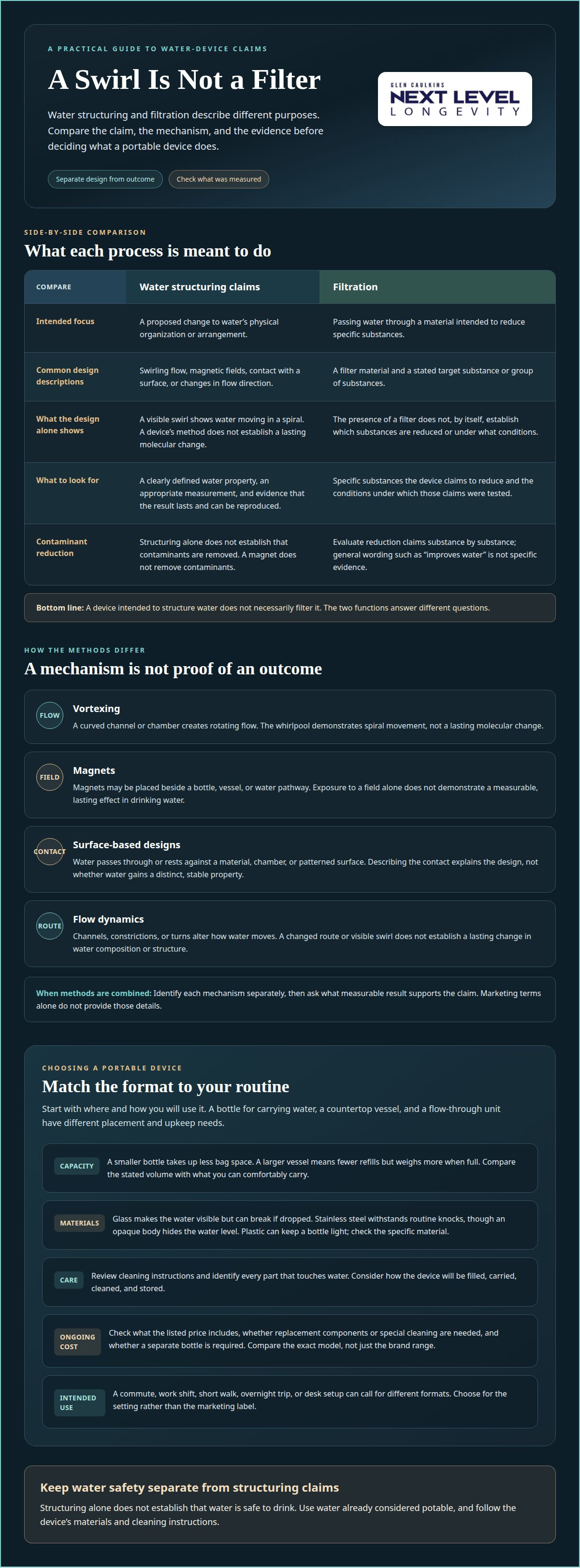
A portable water structuring device is designed to expose water to a proposed physical treatment, such as swirling flow or a magnetic field. Manufacturers claim these methods change water’s structure, but describing a method does not establish that a lasting change occurs.
Vortex systems direct water through a curved channel or around a chamber, creating rotating flow. The visible whirlpool shows that water is moving in a spiral. Some product claims go further, suggesting that this motion creates a more organized arrangement. A swirl demonstrates movement, not a lasting molecular change. Supporting the larger claim would require measurements showing what changed and how long the change lasted.
Magnetic devices place magnets beside a bottle, vessel, or water pathway. Their claims often suggest that magnetic fields influence water molecules or dissolved minerals. The presence of a field is a physical condition, but it does not by itself show a measurable or lasting effect in drinking water. Relevant evidence would need to define the proposed change and measure it under controlled conditions. A magnet also does not remove contaminants from water.
Surface-based systems focus on contact with a material, chamber, or patterned surface. The proposed explanation may be that water interacts with the surface as it passes through or rests against it. This differs from vortexing, which emphasizes movement, and magnetic methods, which emphasize a field. Describing a material or surface explains the device’s design, not whether water acquires a distinct, stable property.
Flow-dynamics systems use channels, constrictions, or repeated changes in direction to alter water movement. A vortex-flow device, for example, may guide water through a spiral passage before it reaches the bottle opening. The device can change flow patterns during treatment. Claims about molecular organization require separate evidence: a changed route or visible swirl does not establish a lasting change in composition or structure.
These methods may appear together. A device might combine a spiral pathway with magnets or a mineral-bearing surface. In that case, separate the design from the outcome: identify each mechanism, then ask what measurable result supports the claim. A useful test would define the water property, use appropriate measurements, and show that the result is reproducible. Marketing terms alone do not provide those details.
For any claimed method, distinguish the mechanism from the evidence. Vortexing describes flow, magnets describe exposure to a field, and surface-based designs describe contact. None of these labels alone establishes a demonstrated human benefit. A clear explanation names the proposed change and the measurement used to detect it.
Structured Water vs. Filtration: What's the Difference?
Structuring claims concern water’s organization; filtration targets substances in water. These processes answer different questions about drinking water.
Structuring Versus Filtration
Water structuring describes a proposed change to water’s physical organization, often using flow, a surface, or another mechanism. Filtration passes water through a material intended to reduce specific substances. A swirling bottle, for example, may change water’s movement without filtering it. Check which function the device claims to provide.
A structuring claim does not show that a device removes chemicals or other contaminants. Look for filtration claims that identify the substances reduced and the conditions tested. A general phrase such as “improves water” does not explain what the device does. If your goal is contaminant reduction, choose a filter with performance information relevant to that purpose. If your goal is structuring, assess that claim separately.
Under-Sink Filtration and Structuring
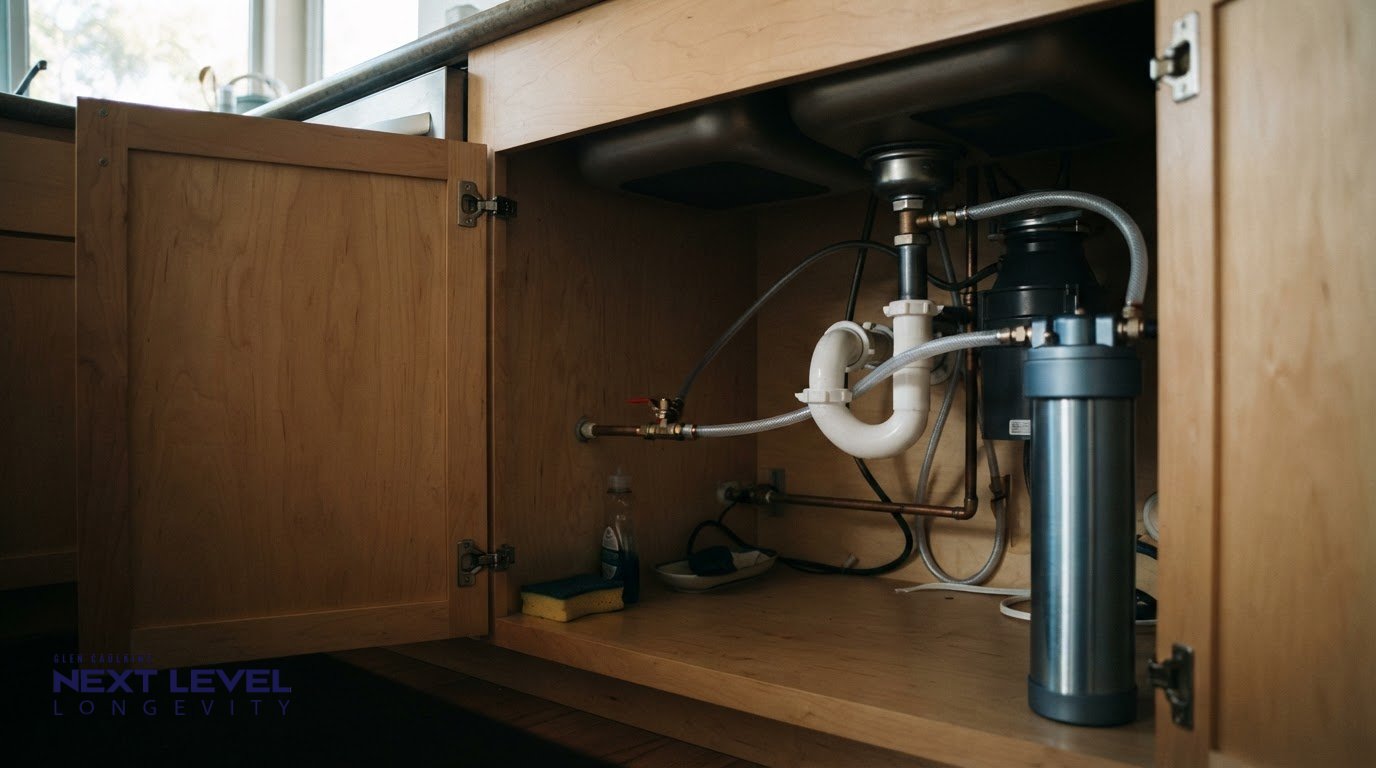
An under-sink filter connects to a kitchen water line and treats water at that point of use. Depending on its design and tested performance, it may target particular substances. Compare the stated filtration purpose with the evidence for that function. An under-sink system’s location alone does not establish what it removes.
A portable vessel and an under-sink system suit different routines. The portable device travels with its user; an under-sink system stays installed for kitchen use. Some systems combine treatment stages, but each stage should have a defined purpose. A filter stage and a structuring component are not interchangeable. For example, a swirling chamber may alter flow, while a filter medium is intended to capture or reduce specified substances. Read these as separate claims, not as one general promise about water quality.
Choose according to the outcome you need. For filtration, focus on the target substance and relevant performance information. For structuring, look for a clearly described mechanism and evidence measuring the claimed change. A device serving one purpose does not automatically serve the other. Keeping these questions separate helps distinguish a treatment claim from a demonstrated filtration function.
Using Portable Water Devices for Travel, Work and Dorm Life
Travel, an office shift, and dorm life place different demands on a water device. Start by considering where you’ll fill it, carry it, and clean it. A bottle that fits a backpack may work better for a train commute than a bulky vessel. For an overnight stay, consider whether the device packs securely and can be used without a fixed setup.
During travel, separate the device’s claimed function from your water source. A structuring component does not establish that water is safe to drink or remove unwanted substances. Use water considered potable for drinking, and follow the manufacturer’s cleaning directions. For example, a bottle used during a hotel stay may need rinsing and drying before it goes back into a packed bag.
At work, convenience often depends on access to drinking water and a clean place to store the device. A desk bottle may be easier to use than a vessel that needs space beside a sink. If several people share an office kitchen, keep personal drinking equipment separate and clean it as directed. A portable unit will not necessarily treat every stream or tap it encounters.
Dorm life can mean shared sinks, limited storage, and frequent moves between rooms. A compact vessel may fit a study desk or backpack more readily than a larger countertop device. Check whether its parts can be washed and dried in your available space. A product guarantee sets out its terms; it is not proof that water has changed or that a claimed effect will occur.
For an active routine, consider your route as well as the bottle. Carrying weight may be more noticeable on a short walk, cycling commute, or day between classes. Choose a size you’ll realistically carry and consider how you’ll refill it. A stream encountered on a hike is not automatically suitable drinking water just because it looks clear.
Finally, distinguish drinking-water equipment from products designed for another setting. A shower filter, for example, is for bathing, not for filling a bottle. A portable structuring device may focus on a proposed change to water, while filtration equipment targets specified substances. These functions are not interchangeable. Match the device to its stated use, your water source, and your daily routine before weighing convenience.
What the Evidence Says About Water Structuring and Hydration
Claims about water structuring and health require evidence that tests the specific outcome. A device description can explain a proposed mechanism, but it is not a test of hydration or health. The key distinction is between an idea about how water might change and observations made under controlled conditions.
Evidence can address different parts of that question. A physical analysis may examine whether treatment changes a defined property of water. A human study would need to examine a defined outcome after people drink the water. One type of result cannot substitute for the other. For example, a laboratory measurement alone cannot demonstrate that a person becomes better hydrated.
Hydration also needs a clear definition in any study. Researchers would need to describe what they measure, how they compare treated and untreated water, and whether participants drink the same amount. A taste preference or report of feeling different may be useful to record, but it is not the same as measuring a physiological hydration outcome.
Study design affects what a result can tell us. A comparison is more informative when it describes the water source, treatment, measurement method, and timing. Repeating the test helps establish whether the same result appears again. Without those details, readers cannot tell whether an observed difference reflects the claimed treatment or another part of the setup.
Interpret each result within its scope. A measurable water property may support a claim about that property, but not automatically a claim about hydration, exercise recovery, or health. A human study of one outcome would not establish every other benefit sometimes associated with structured water. Each proposed benefit requires evidence that directly examines it.
For a portable water structuring device, separate three questions: what treatment it uses, what measurable result has been reported, and what human outcome was tested. A clear answer to the first explains the design. The second and third require evidence suited to those claims. This approach avoids treating a proposed mechanism as proof while leaving room for well-designed research to test specific ideas.
PristineHydro Water Revival Systems for Portable and Home Use
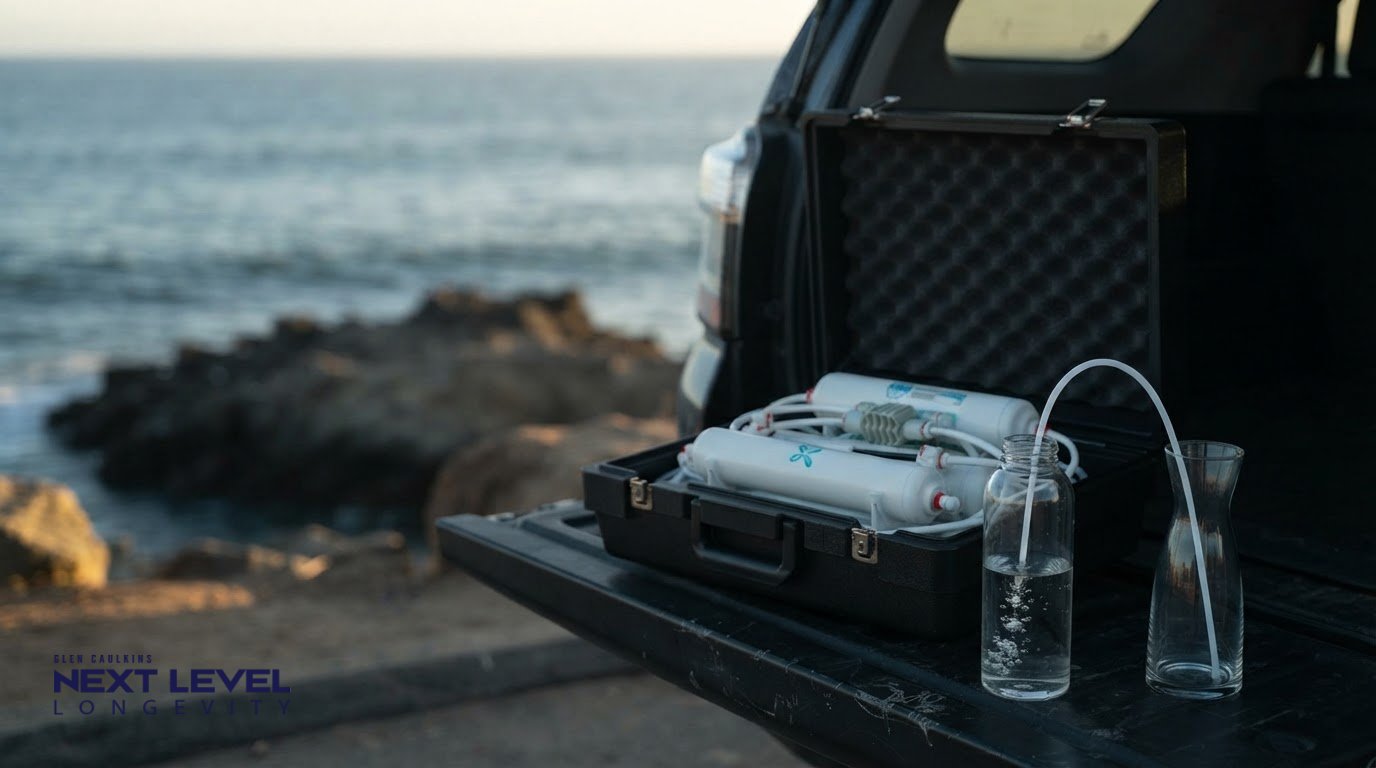
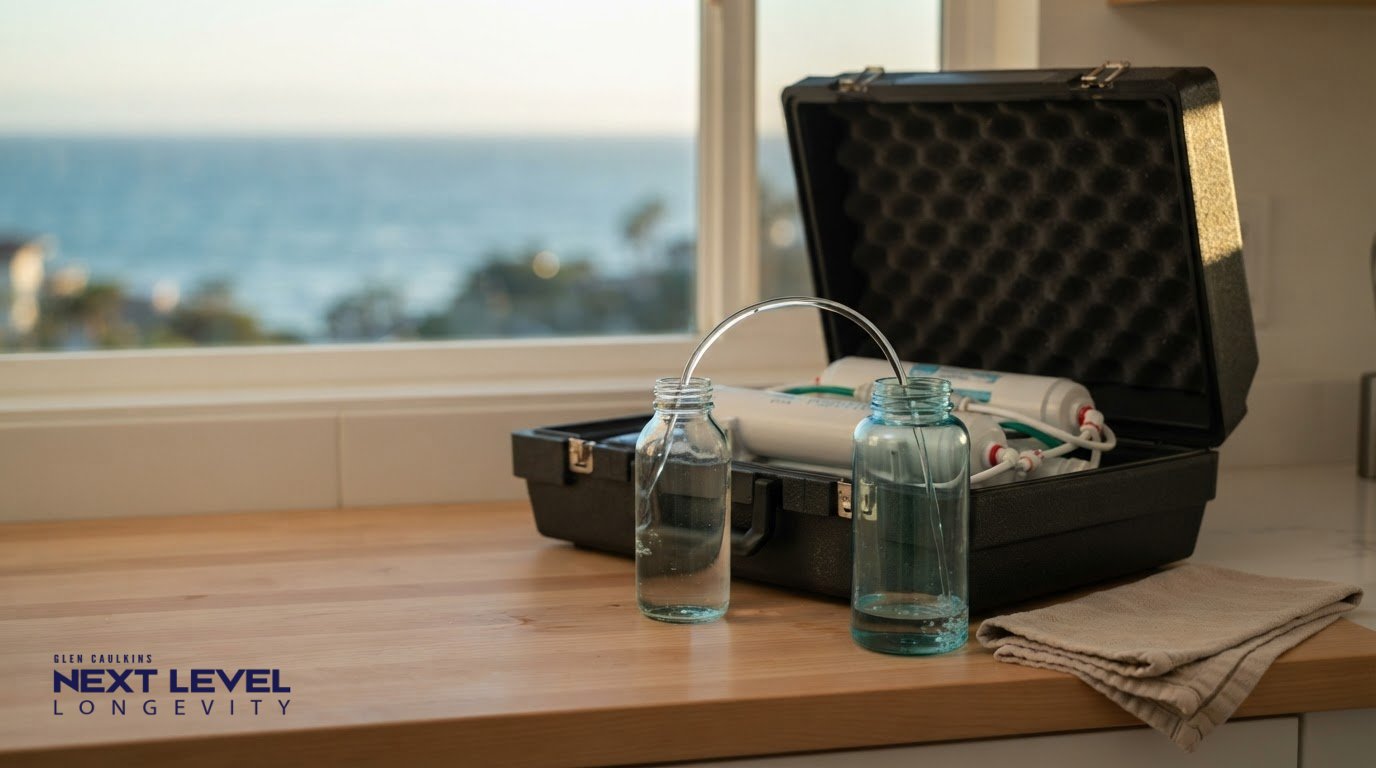
Glen B. Caulkins connects water research with practical choices through PristineHydro, where he has a commercial interest in the products discussed here. The Travel-Portable Water Revival System is a movable countertop unit for use at home, in an office, or on trips. The Under-Counter Water Revival System is designed for kitchen drinking water. Choose between them based on placement and routine, not on an assumption that either guarantees a health outcome.
The Under-Counter Water Revival System uses reverse osmosis and dual deionization, then adds minerals such as magnesium and calcium bicarbonate. The Travel-Portable Water Revival System uses a filter-then-remineralize approach in a unit that can move between settings. These are distinct formats: the portable unit is not an under-counter installation, and the under-counter system is not described as a travel unit.
Start setup by distinguishing the two systems. The under-counter system belongs at the kitchen point of use, while the portable system is a countertop unit that can be relocated. Follow the product-specific installation and operating instructions. Review the listed package contents before setup so you can identify the components for that system. Do not assume the two systems share every part or connection.
Maintain the model according to its instructions. PristineHydro offers replacement filters; follow the applicable product guidance for replacement schedules and filter matches. Keep the model information with its instructions to distinguish parts for the under-counter system from those for the portable unit. Routine care and filter changes support intended operation, but do not establish a health benefit.
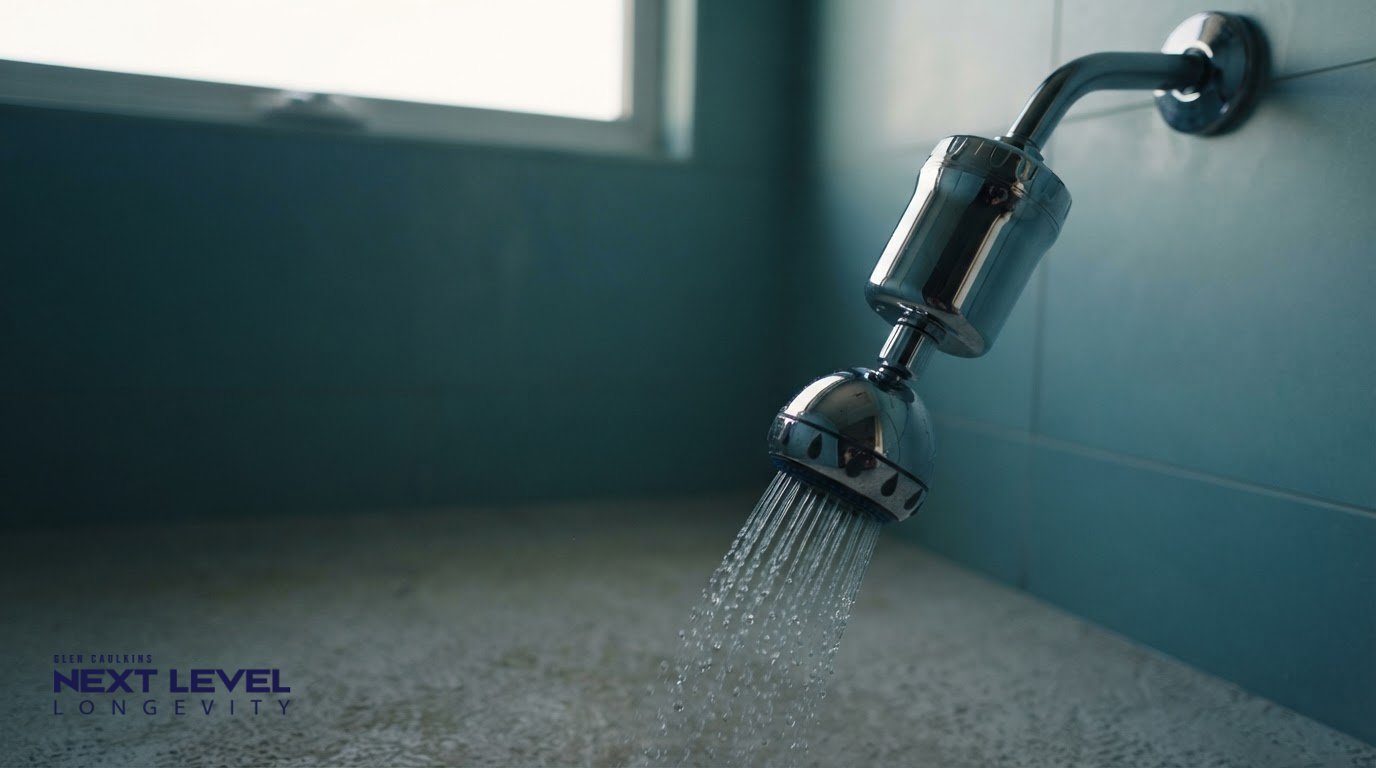
Shower filtration serves a separate purpose. The Aqualux filter with head combines a filter and shower head; the Ultimate Dual KDF inline filter works with an existing shower head. Neither is a drinking-water system. These products also differ from the Water Revival Systems, so choose according to whether you need kitchen drinking water, a movable countertop unit, or shower filtration.
This product guide is not health advice and cannot determine what is in your water. Water composition requires a utility water report or laboratory testing. Product descriptions explain intended use and system design, while evidence for a particular health outcome is a separate question. For product-fit questions, contact PristineHydro.
Frequently Asked Questions
What scientific evidence supports claims that structured water benefits health?
Assess each health claim against studies that directly test the stated outcome. A description of a device’s mechanism or a measurement of water alone cannot show whether people experience a health benefit. This guide is not health advice and cannot determine what is in your water. To learn about your water’s composition, consult your utility’s water report or obtain a laboratory test.
What types of portable water structuring devices are available?
Portable designs include bottles or vessels using vortex-style flow, magnets, surface contact, or combinations of these approaches. Some products also describe added materials, such as crystals or trace minerals. A device may be built into a bottle or used as a separate countertop vessel. Since portable water structuring device can refer to different designs, compare the mechanism and intended use rather than relying on the label alone.
How much do portable water structuring devices cost in the United States?
There is no single standard price for every device type. Cost depends on the vessel, materials, mechanism, included components, and whether filtration is part of the product. Compare the current listed price with what the package includes and any replacement parts required. PristineHydro displays current prices on its product pages, so use those rather than inferring a price from another device category.
How do portable water structuring devices compare with water filters and purifiers?
Structuring devices focus on a claimed change in water’s physical organization. Filters and purifiers are designed to treat water, with performance depending on the specific system and its tested purpose. For example, a bottle attachment claiming vortex flow isn’t evidence of contaminant removal. If your concern involves a particular substance, choose equipment with performance information relevant to that substance instead of assuming a structuring claim covers it.
How do you use and maintain a portable water structuring device?
Follow the directions for the specific model, since filling, cleaning, and storage requirements vary. A bottle-style device, for example, may need different care from a countertop vessel. Clean water-contact surfaces as directed, let parts dry as instructed, and follow any component replacement schedule. Do not assume every material can be washed the same way; the device’s care instructions determine appropriate maintenance.
Do portable water structuring devices require electricity, batteries, or replacement parts?
Requirements depend on the design. A manual vessel that relies on flow or surface contact may work differently from an electrically powered device. Some products use replaceable components, while others may not. Check the product’s setup and care instructions for power needs and replacement parts. For a filtration system, distinguish filter replacement needs from claims about water structuring.
What should buyers look for when choosing a portable water structuring device?
Start by considering the intended setting, capacity, materials, cleaning needs, and exact mechanism claimed. Then compare the claim with evidence measuring the stated result. Consider whether filtration is also important, since a structuring device does not automatically address water composition. Compare portable use with a fixed home drinking-water system, and choose the device that best fits your needs.
Frequently Asked Questions
What scientific evidence supports claims that structured water benefits health?
What types of portable water structuring devices are available?
How much do portable water structuring devices cost in the United States?
How do portable water structuring devices compare with water filters and purifiers?
How do you use and maintain a portable water structuring device?
Do portable water structuring devices require electricity, batteries, or replacement parts?
What should buyers look for when choosing a portable water structuring device?
More articles