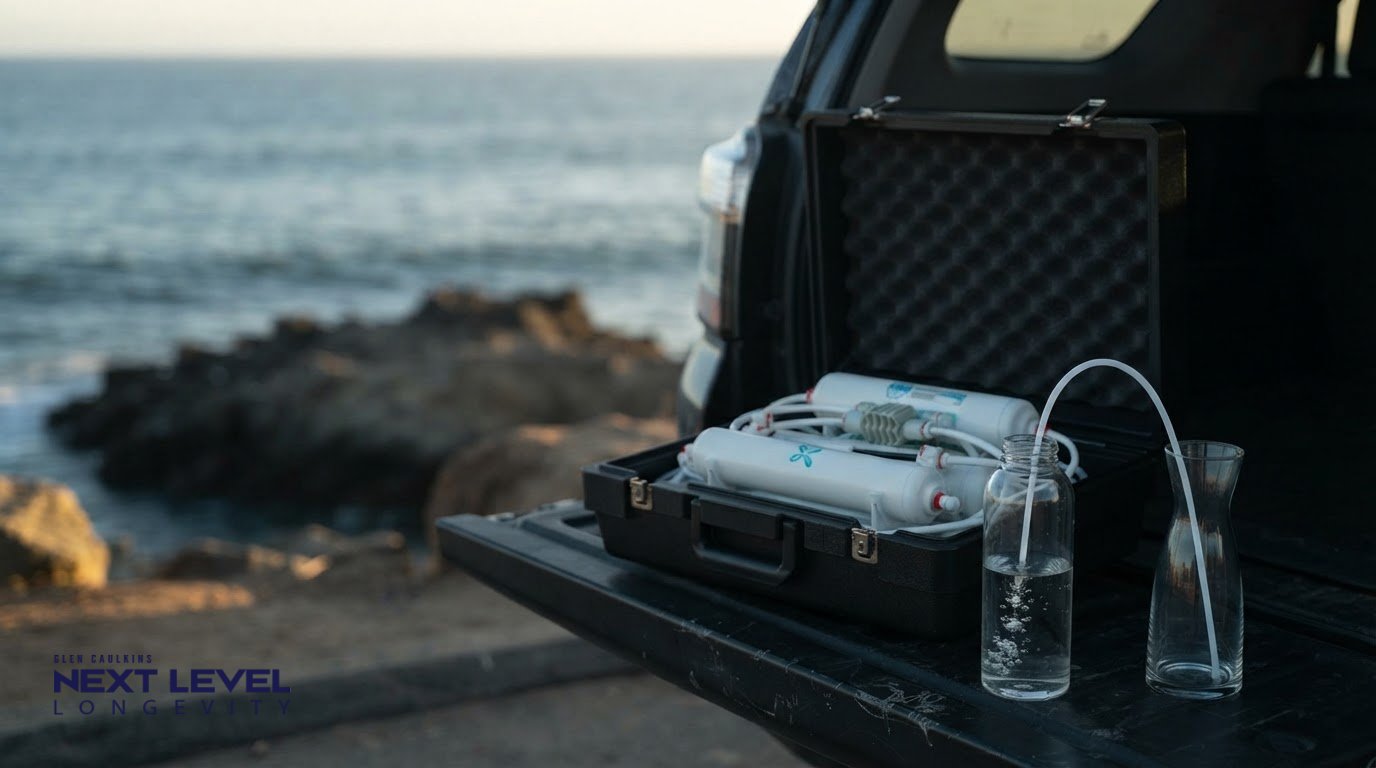
Reverse Osmosis Water Purification Equipment for Your Facility
November 24, 2026 · 16 min read
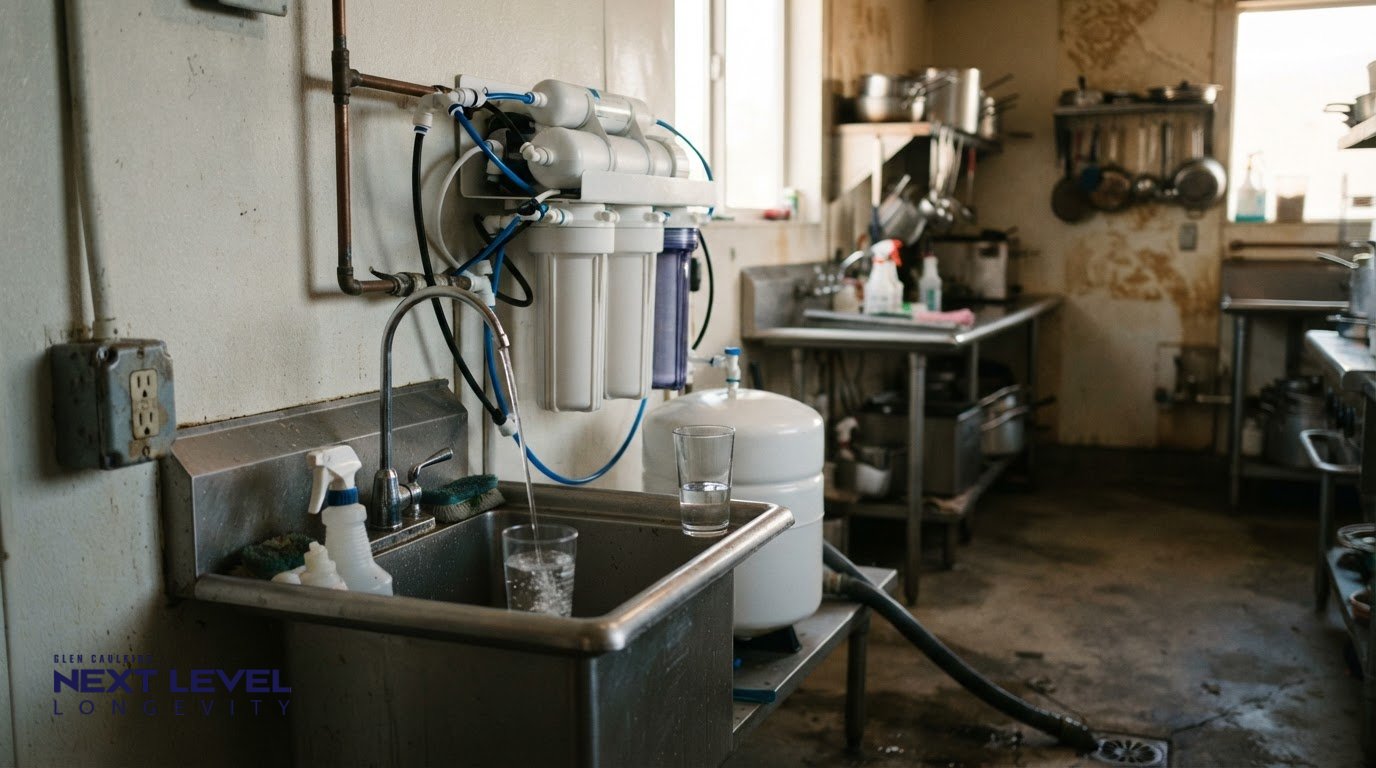
For a facility, reverse osmosis water purification equipment uses pressure to move water through a membrane that holds back many dissolved substances. The Centers for Disease Control and Prevention describes reverse osmosis filters as having pores about 0.0001 micron wide. The membrane is central to the process, but the finished water and production rate also depend on the system and the water entering it.
Choosing reverse osmosis water purification equipment means looking beyond the membrane. Understand how reverse osmosis works, which substances a specific system is designed to reduce, and how plumbing, drainage, pretreatment, and available space affect installation. Compare the system’s documented performance and output with your actual water use. These details help determine whether an under-counter drinking-water system suits your needs or whether a different treatment approach is required.
Key Takeaways
- Understand how pressure and a semipermeable membrane separate water from many dissolved substances.
- Identify the plumbing, drainage, and electrical factors that can shape an installation.
- Match a system’s rated production capacity to your facility’s actual water-use patterns.
- Learn why contaminant reduction depends on the treatment system and the substances present in the source water.
- Use membrane function and system design to assess whether reverse osmosis fits your facility’s needs.
What Is Reverse Osmosis?
Reverse osmosis (RO) uses pressure to push water through a semipermeable membrane. The membrane lets water pass while reducing many dissolved substances. According to CDC, a reverse osmosis filter has a pore size of about 0.0001 micron. Sediment and carbon filters often sit before the membrane to capture particles and reduce substances that can affect water quality or equipment operation.
A typical reverse osmosis system combines several treatment stages. A sediment filter catches suspended particles, while a carbon filter can reduce certain substances, including chlorine. Water then passes through the membrane. A post-carbon filter may improve taste after treatment. Tankless systems use a different storage arrangement, but still rely on their filters and membrane.
Reverse osmosis differs from other methods in the substances its membrane can reduce. Carbon filters mainly adsorb selected compounds, while distillation separates water through evaporation and condensation. Ultrafiltration allows water and small molecules, including salts, to pass through. Reverse osmosis can reduce many dissolved substances that those methods may not target in the same way.
Replacement timing depends on each component. Intervals such as 6 months to 1 year for pre-filters and post-filters, or 2 to 5 years for a membrane, should not be treated as universal schedules. Timing depends on the system, source-water conditions, and use. Follow the system’s maintenance instructions and replace filters with parts designed for its configuration.
Maintenance costs depend on the number and type of filters, membrane replacement needs, and water use. A multi-stage system may need more individual filter replacements than a simpler setup. When comparing ownership costs, account for replacement filters and membrane changes as well as the initial equipment expense.
Remineralizing filters add minerals after reverse osmosis treatment. This can change the finished water’s mineral composition and taste. Remineralization is separate from the membrane’s contaminant-reduction stage: it does not replace membrane maintenance or establish that water is safe for every use.
Proper maintenance also affects system life. A 10-year service life is not guaranteed; system longevity depends on the equipment, maintenance, and operating conditions. Clogged pre-filters may restrict flow, while delayed replacement can affect system performance. Keep a simple record of filter changes and note changes in flow or taste as prompts to review maintenance.
When evaluating certification, look for independent documentation that identifies the exact system model and the specific performance claims covered. A logo alone does not show which substances or functions were evaluated. Read the certification scope alongside the product’s performance information.
RO system installation and electrical requirements
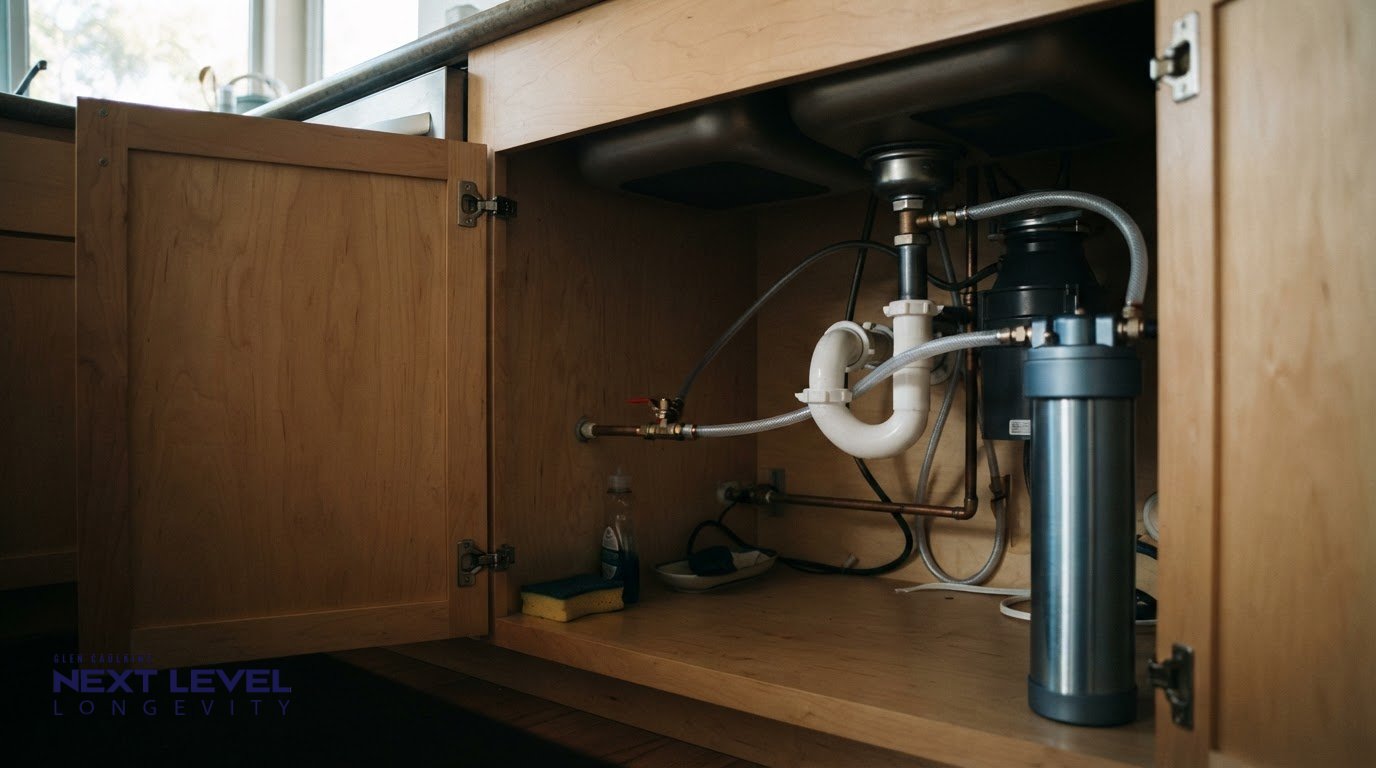
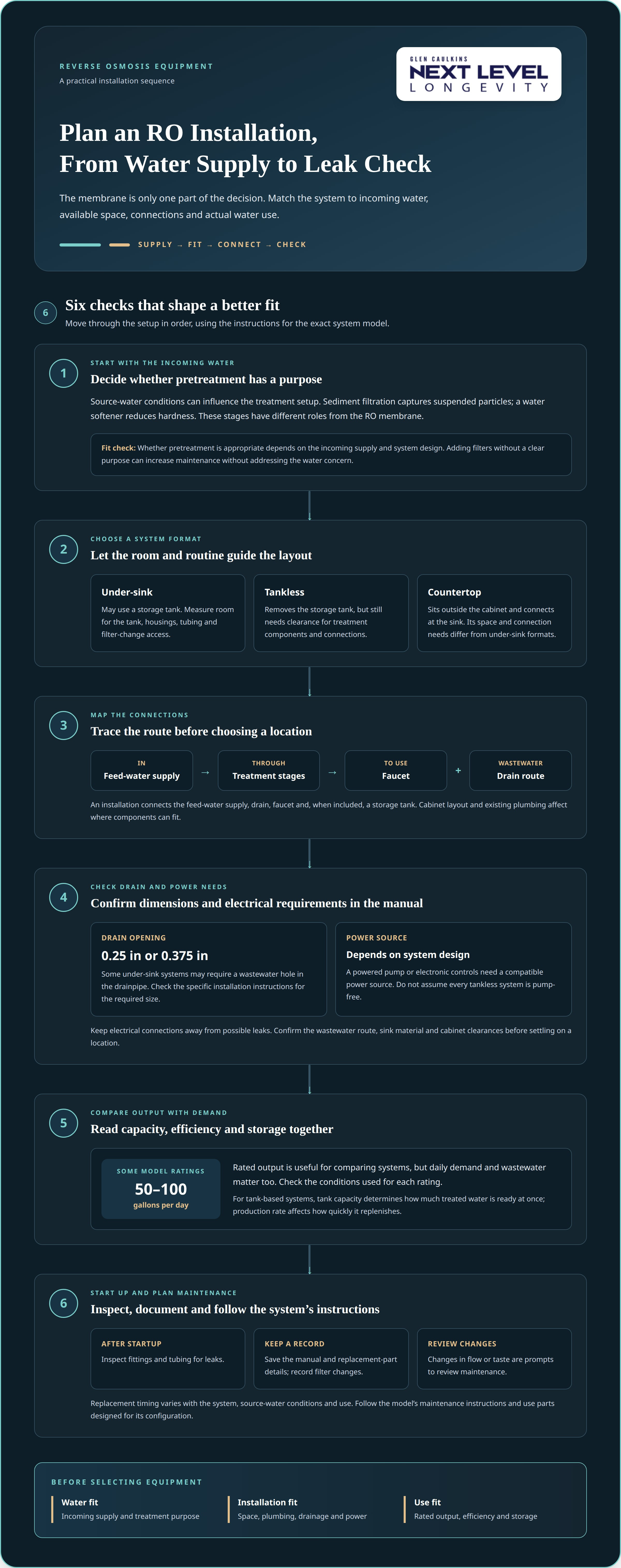
Installation connects the feed-water supply, drain, faucet, and, when included, a storage tank. The installer then checks connections for leaks and follows the model’s maintenance instructions. Under-sink systems may require a 0.25-inch or 0.375-inch hole in the drainpipe for wastewater; check the system’s installation instructions for the required size. Sink material, cabinet layout, and existing plumbing determine where components can fit.
Electrical requirements depend on the system’s design. A model with a powered pump or electronic controls needs a compatible power source; a system without powered components may not. Read the specific model’s installation instructions before choosing a location. Keep electrical connections away from possible leaks, and don’t assume every tankless system is pump-free.
System format affects the installation footprint. A traditional under-sink system may use a storage tank, while a tankless design needs space for its treatment components. A countertop reverse osmosis unit sits outside the cabinet and connects at the sink. Each format has different space and connection requirements, so choose based on your kitchen layout and drinking-water routine.
Source-water conditions can influence the treatment setup. A water softener reduces hardness before water reaches other filtration equipment, while sediment filtration captures suspended particles. These stages have different roles from the reverse osmosis membrane. Whether pretreatment is appropriate depends on the incoming supply and system design. Adding filters without considering their purpose can increase maintenance without addressing the water concern.
Before choosing a tank-based system, measure the cabinet and allow room for the tank, filter housings, tubing, and access for filter changes. Tank capacity determines how much treated water is ready at once; production rate affects how quickly it replenishes. A tankless model removes the storage tank but still needs clearance for filters and connections.
Smart features vary by model. Some systems have app alerts or electronic status indicators; others rely on manual maintenance records. An alert can help track a filter change or system status when that feature is included, but it does not replace physical inspection. Check that the feature suits the location and that the system can connect as intended.
For a straightforward installation, map the connections in order: feed line, treatment stages, faucet, and drain. Confirm the cabinet or countertop location, wastewater route, and any electrical requirements in the model instructions. After startup, inspect fittings and tubing for leaks. Keep the manual and replacement-part details with the maintenance record so future work follows the system’s actual configuration.
System capacities and daily water production
Rated output is useful for comparing systems, but daily demand and wastewater matter too. Read the capacity, efficiency, and storage specifications together, and check the conditions used for each rating.
Daily Production Capacity
Some reverse-osmosis models are rated at 50 to 100 gallons per day. Treat this as a comparison point, not a guarantee of the amount available at every tap. Actual production depends on factors such as water temperature, incoming pressure, source-water conditions, and system design. Compare the stated rating and its test conditions with your facility’s drinking-water use, including busy periods when several people fill bottles or prepare drinks.
A commonly cited estimate puts average US family water use at more than 300 gallons each day, but actual use varies, and this total includes far more than drinking water. A drinking-water system serves a narrower need. Estimate the amount used for drinking, cooking, and beverage preparation, then consider whether demand is steady or concentrated at certain times. Storage can help meet short bursts of demand; a system’s production rate shapes how quickly that supply replenishes.
Dispensers and filtration systems also differ in how they deliver treated water. A dispenser may combine filtration with a ready-to-use reservoir, while an under-sink system sends treated water to a dedicated faucet. Compare daily output, storage capacity, installation format, and replacement-filter requirements in the product specifications, including any conditions attached to performance figures. These details show whether a system suits a shared break room, a small office, or another drinking-water point.
Wastewater Production and Efficiency
RO efficiency compares the volume of filtered water with the wastewater the process sends to drain. As examples, some older systems have been described as having efficiency as low as 20%, with a filtered-water-to-wastewater ratio of 1:4, while some electric-pump tankless systems are described as reaching about 75% efficiency, or a ratio of 3:1. These are not universal figures: check the specific system’s published performance data and the conditions under which it was measured. Two systems with similar output ratings can use water differently.
Interpret the ratio carefully. A 1:4 ratio means one part filtered water for four parts wastewater; 3:1 means three parts filtered water for one part wastewater. A published efficiency figure describes performance under its stated conditions. It doesn’t establish how a particular installation will perform with a different supply or usage pattern.
Product specifications can explain differences in price more clearly than a headline figure alone. Compare filtration stages, pump design, tank or dispenser configuration, rated daily production, and replacement components. Installation needs and ongoing filter changes also affect ownership. A higher production rating may not be worthwhile if your actual drinking-water demand is modest.
For a practical comparison, note expected daily use, peak periods, available storage space, and the published wastewater ratio and its test conditions. Then compare these needs with each system’s specifications. This keeps the decision grounded in actual water use, the dissolved substances the system is designed to reduce, and the wastewater it produces.
Contaminants reduced by reverse osmosis
Reverse osmosis systems may reduce dissolved substances, but performance varies by system and substance. They do not necessarily reduce every contaminant. Match the water filter’s documented claims to the specific water concern being assessed.
Water Contaminants Targeted
Which substances a reverse osmosis system reduces depends on the specific system and its documented test results. Check the documentation to see which substances, if any, the system’s membrane and other stages were evaluated to reduce. Do not assume a sediment or carbon stage addresses a particular substance, or affects taste and odor, unless the system’s documentation supports that claim. Each stage may have a distinct role.
Bacteria require particular care. Don’t treat a reverse osmosis system as a disinfection device or assume filtered water is sterile. System design, condition, and maintenance matter. Any contaminant claim should identify what the specific model was evaluated to reduce. This distinction separates general treatment principles from demonstrated performance.
Reduction Testing
Testing is useful when it applies to the exact system and contaminant in question. Look for a report that identifies the model, substances tested, and test conditions. A result describes the tested sample under those conditions; it does not establish identical performance for every installation or water supply.
Read the test result itself, not just a headline or label. A report may state a reduction percentage or compare concentrations before and after treatment. These details show what was measured. For example, evidence that a carbon stage reduces chlorine does not establish the membrane’s performance against another substance.
Reduction Claims
Broad claims such as “removes contaminants” leave important questions unanswered. Check whether the claim names a specific substance, applies to the complete filtration system, and matches an applicable test report. Evidence of a reduction does not prove complete removal, and results for one model do not automatically apply to another.
First review the substances of concern in the source water, then compare them with the model’s documented performance. If a claim mentions metals, for example, it should identify which metals were covered by testing. This helps distinguish a specific, supported claim from a general promise about filtered water.
Water composition varies by supply, so no single list of contaminants describes every home or facility. A change in taste or odor can be a signal, but taste alone cannot identify a substance or establish its concentration. Consider water-quality information alongside system-specific test evidence when evaluating treatment claims. Maintain the system as directed, since performance evidence applies to the tested configuration and operating conditions.
How reverse osmosis membranes work
In basic terms, osmosis is the movement of water through a selective barrier. Reverse osmosis systems use pressure to move water through a membrane against that movement. The membrane is designed to let water pass while restricting some dissolved substances. What it restricts depends on the membrane and operating conditions.
In a reverse osmosis system, incoming water reaches the membrane under pressure. Some passes through as product water, often called permeate. The remaining flow carries away substances restricted by the membrane and is commonly called concentrate or reject water. The system directs permeate toward a storage tank or faucet, while concentrate follows a separate drain path.
Pressure affects how much permeate a system produces. Output can also depend on feed-water conditions and system design. A change in flow may reflect more than the membrane alone: supply pressure, clogged prefilters, or a storage tank that needs to refill can also affect it.
Membranes are used with other treatment stages, though the sequence and purpose of those stages vary by system. A sediment filter may reduce suspended particles before water reaches the membrane. Some systems use a carbon stage to reduce chlorine. The membrane is the main separation stage, and a post-carbon filter may treat water before it reaches the drinking faucet.
This sequence is why membrane performance cannot be assessed apart from the complete system. A damaged housing, poorly seated replacement filter, or leaking connection can affect the water path. A clogged prefilter can restrict incoming flow. Follow the model’s replacement instructions and use components intended for that system, since cartridges are not necessarily interchangeable.
Tank and tankless designs handle permeate differently. In a tank system, treated water collects until use, and opening the faucet draws from that supply. In a tankless system, water passes through the treatment stages when needed. Each design changes delivery, but neither changes the membrane’s basic separation role.
The practical takeaway is to evaluate the membrane, surrounding filters, pressure conditions, and wastewater route as one connected process. A performance claim applies to a defined system and test condition, not to the membrane alone. Maintenance helps preserve the designed flow path, while testing helps establish what the complete system reduces under the conditions examined.
Glen B. Caulkins
Glen B. Caulkins connects water-treatment questions with a wider inquiry into water chemistry, minerals, environmental exposure, and biological resilience. This perspective gives readers a framework for considering how system design and finished-water composition relate to their needs.
Through PristineHydro, Glen offers residential and travel Water Revival Systems, including the Under-Counter Water Revival System and Travel-Portable Water Revival System. These serve different personal water-use settings. Readers in Laguna Woods, Newport Beach, Costa Mesa, Laguna Beach, Carlsbad, and Irvine can also explore the local water context. Glen’s research and the products he sells share an interest in water, so readers can consider that commercial connection alongside the educational perspective.
If you’d like to discuss water treatment and system fit, contact Glen B. Caulkins.
Choose a Next Step That Fits Your Facility
Choosing reverse osmosis water purification equipment is not simply a question of whether reverse osmosis can reduce selected substances. Consider whether a specific system’s intended use, documented performance, water demand, and installation requirements fit your needs. Keep those factors together when assessing a treatment option, and don’t treat a residential or travel system as a facility-wide solution.
Glen B. Caulkins offers an Under-Counter Water Revival System and a Travel-Portable Water Revival System for distinct personal water-use settings. The Aqualux filter with head serves a different purpose. These products are not presented as whole-facility RO equipment. That distinction matters when your needs extend beyond drinking water at a point of use.
A clear description of your intended application can make the next conversation more useful. Contact Glen B. Caulkins to discuss your needs and consider which water-treatment path fits your setting. A careful next step begins with the facility’s actual requirements.
Frequently Asked Questions
Is RO Filtered Water ‘Pure Water’?
“Pure water” is not a precise description of every finished reverse osmosis sample. Treatment may leave some dissolved material, and later stages can change mineral content. Water from a system with remineralization, for example, differs from water treated only by its membrane. Describe a sample using its measured composition and specific treatment stages, rather than relying on the word “pure.”
How Do I Test My Water For Contaminants and TDS?
To learn what is in your water, consult your utility’s water report or obtain a laboratory test, choosing tests based on the substances you want to assess. Follow the laboratory’s sample-collection instructions, since handling affects the sample. To compare treatment results, collect untreated and treated samples as the lab directs. A TDS meter gives a combined reading, not the identity of individual substances. This guide is not health advice and cannot determine your water’s composition.
How Does an RO System Work?
For a specific model, its installation diagram and performance documentation are the clearest guides to operation. Together, they show the component sequence, connections, and claims that apply to that unit. This matters because systems described as reverse osmosis may have different supporting stages or storage arrangements. Read the model documents together rather than assuming one system’s layout or performance applies to another.
What Is the Lifespan of an RO System?
Consider the condition of the complete installation, not just the membrane’s age. Replacement history, stable operation, and intact connections help describe the system’s condition; recurring leaks or persistent changes in operation deserve attention. Keep model information and service records together. These records help distinguish a replaceable-component issue from a broader equipment concern when deciding what the system needs.
What Substances Are Filtered Through RO Systems?
Performance documentation should name the substances a specific system is designed to reduce. Look for the exact model and the individual substances covered, then match those claims to the water-quality question you are investigating. A general phrase such as “multi-contaminant filtration” is less informative than model-specific evidence. Also distinguish a measured reduction from a claim that a substance is completely absent.
What routine maintenance is required for an RO system?
Follow the exact model’s instructions when changing filters or performing routine care. Before ordering parts, match the system’s model information to the replacement components, since similar-looking cartridges may serve different functions. After maintenance, record the part details and date. This makes it easier to identify which component was changed if operation or taste later shifts.
Why Are There Different Types Of RO Systems, such as Tankless RO Systems, Traditional RO Systems, etc?
Different formats suit different locations and routines, not just different equipment styles. A countertop unit may suit a space where under-sink installation is impractical, while a fixed kitchen system serves a dedicated drinking-water point. In a facility, consider whether one point of use meets the need or whether staff rely on several taps. Don’t assume a point-of-use system treats every outlet in a building.
How does reverse osmosis water purification equipment work?
Practical operation depends on the specific system’s design, installation, and intended use. Before selecting a unit, compare its model-specific performance information with the water-quality concern and point of use. A system intended for a kitchen faucet, for example, is a different fit from equipment expected to serve multiple locations. The model documentation defines the tested claims and operating requirements.
Frequently Asked Questions
Is RO Filtered Water ‘Pure Water’?
How Do I Test My Water For Contaminants and TDS?
How Does an RO System Work?
What Is the Lifespan of an RO System?
What Substances Are Filtered Through RO Systems?
What routine maintenance is required for an RO system?
Why Are There Different Types Of RO Systems, such as Tankless RO Systems, Traditional RO Systems, etc?
How does reverse osmosis water purification equipment work?
More articles